

Nothing ruins the look of a clean bathroom faster than a hazy, streaky glass shower door covered in soap scum. That filmy residue, made up of soap, hard water minerals, and body oils, builds up over time and becomes stubborn if not addressed regularly. The good news? With the right tools, techniques, and a few minutes of effort, you can restore your glass doors to sparkling clarity.
You’ll learn how to adapt your cleaning method for smooth versus textured glass, clean hard-to-reach tracks and seals, and incorporate daily habits that keep buildup at bay. No more guessing which cleaner works best or worrying about scratching the glass.
The 4-Step Cleaning Method

Follow this universal process for maximum effectiveness, regardless of the cleaner you choose.
Apply and Saturate the Surface
Spray or wipe your chosen cleaner evenly across the entire glass surface. Make sure all areas, especially corners and edges, are thoroughly wet. For textured glass, spray generously so the solution can seep into grooves and crevices.
Let It Sit (Dwell Time)
Allow the cleaner to dwell for 10 to 15 minutes. For heavy buildup, extend this to 30 minutes. This gives the solution time to break down soap scum and mineral deposits. Vinegar, lemon juice, and baking soda pastes work best when given time to react.
Scrub Gently with the Right Tools
Use a soft sponge, microfiber cloth, or soft-bristled brush to scrub the surface. For textured glass, an old toothbrush helps agitate residue in deep patterns. Avoid anything abrasive. Steel wool or harsh pads will scratch the glass permanently.
Rinse and Dry Immediately
Rinse the door with clean water to remove all loosened grime and cleaning residue. Then, squeegee or dry with a lint-free towel right away. Immediate drying prevents new water spots and streaks from forming.
Natural Cleaning Solutions That Work
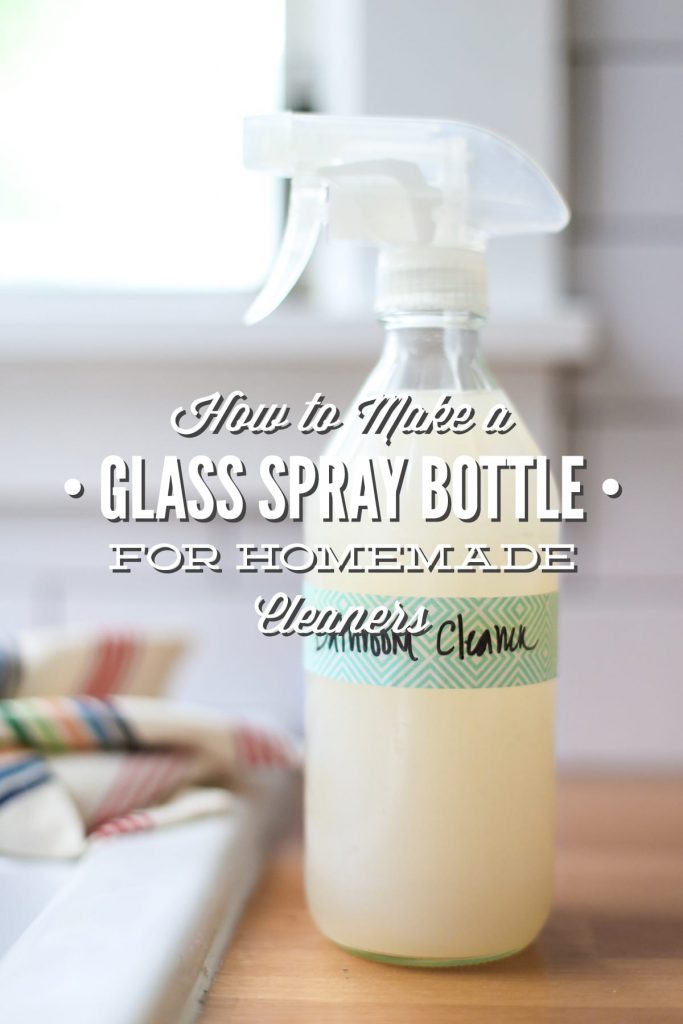
Skip harsh chemicals with these effective, budget-friendly DIY options.
Use Vinegar and Water
White vinegar’s acetic acid dissolves soap scum and hard water stains naturally.
Mix the Right Ratio
Combine equal parts white vinegar and water in a spray bottle. For extra power, warm the mixture before spraying to boost cleaning efficiency.
Treat Textured Glass
Spray liberally to penetrate grooves. Let sit 10 minutes, then scrub with a soft brush. Rinse and dry thoroughly.
Make a Baking Soda Paste
Baking soda acts as a gentle abrasive that scrubs away buildup without scratching.
Apply for Deep Cleaning
Mix baking soda with a little water to form a thick paste. Spread it over the glass and let it sit 15 to 20 minutes. Scrub with a sponge or brush, then rinse clean.
Target Stubborn Spots
For caked-on scum, press the paste firmly into the area and let it dwell longer. The slight abrasion lifts residue safely.
Try Hydrogen Peroxide and Baking Soda
This combo creates a bubbling reaction that lifts dirt from textured surfaces.
Create the Paste
Mix hydrogen peroxide with baking soda to form a runny paste. Apply it to the glass and let it sit for 30 minutes.
Watch the Bubbles Work
The fizzing action helps carry the cleaner deep into crevices. Scrub gently afterward and rinse well.
Use Lemon Juice for Fast Action
Citric acid in lemon juice cuts through soap scum fast.
Apply Directly
Squeeze fresh lemon juice onto the glass or use bottled juice. Let it sit for 5 to 10 minutes, then scrub lightly with a soft brush.
Ideal for Spot Cleaning
Best for small, stained areas. Rinse immediately to avoid prolonged acid exposure.
Commercial Cleaners: Magic Eraser Tips
For fast, powerful cleaning, specially designed products like Mr. Clean Magic Eraser Bath offer convenience and strong results.
Activate the Foam Correctly
Wet the sponge first. This activates the micro-scrubbers and causes the foaming cleanser to expand. Squeeze out excess water before use to avoid drips.
Wipe with Firm Pressure
Use steady, even strokes across the glass. The micro-scrubbers lift soap scum and hard water stains without scratching when used properly.
Avoid Damaging Surfaces
Do not use on high-gloss finishes, polished wood, copper, stainless steel, or non-stick surfaces. Test on a small area first if unsure.
Safety First
Wear gloves because prolonged contact can irritate skin. Avoid eye contact. Keep away from children and pets. Never mix with bleach or other cleaners.
Clean Textured vs. Smooth Glass
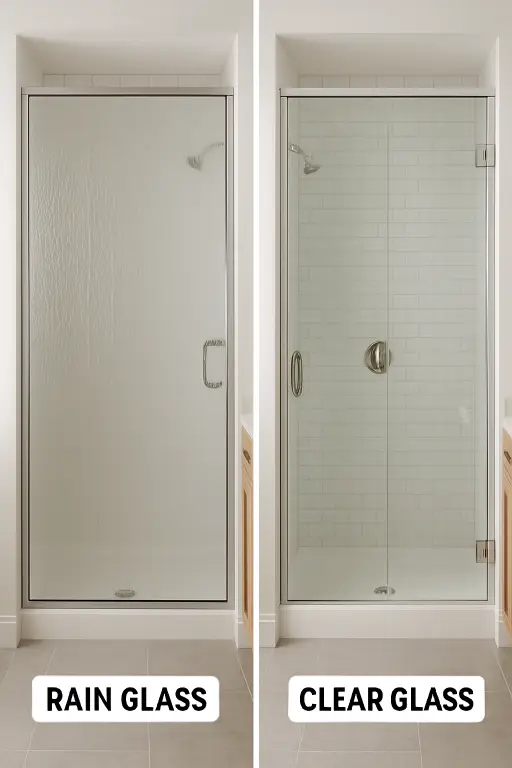
Different glass types need different approaches for best results.
Tackle Textured Glass Buildup
Grooves and patterns trap soap scum and are harder to clean than flat surfaces.
Use Paste-Based Cleaners
Baking soda paste or hydrogen peroxide mixtures work best. Let them sit to penetrate deep into crevices.
Scrub with a Toothbrush
A soft-bristled toothbrush reaches into patterns more effectively than sponges.
Increase Cleaning Frequency
Textured glass needs weekly wipe-downs to prevent permanent buildup.
Maintain Smooth Glass Easily
Smooth surfaces are simpler to clean and maintain.
Wipe Weekly with Magic Eraser
A quick pass removes light film and keeps glass looking new.
Squeegee After Every Shower
This is the number one prevention method. Remove water immediately to stop mineral deposits from forming.
Clean Tracks, Seals, and Frames
Don’t forget the hidden areas where grime accumulates.
Clear Sliding Door Tracks
Tracks collect hair, soap, and gunk that make doors hard to slide.
Vacuum First
Use a crevice tool to pull out loose debris before applying any liquid.
Soak and Scrub
Pour hot vinegar or all-purpose cleaner into the track. Let sit, then scrub with a toothbrush.
Dry Completely
Wipe with a cloth and let air dry to prevent mold.
Clean Glass-to-Frame Edges
Dirt builds up where glass meets metal or plastic frames.
Target the Junction
Spray cleaner directly into the gap. Use the edge of a sponge or a small brush to clean thoroughly.
Prevent Mold
Wipe dry after cleaning to discourage moisture retention.
Wipe and Protect Seals
Rubber or vinyl seals at the door base trap water and grow mold.
Clean Both Sides
Lift the seal gently and wipe underneath. Clean top, bottom, and sides.
Dry Fully
Moisture in seals leads to mildew. Dry completely after every shower if possible.
Fix Stubborn Buildup Fast
When regular cleaning isn’t enough, try these advanced techniques.
Use a Plastic Scraper
For thick, crusty scum, a plastic scraper lifts residue safely.
Hold at 45 Degrees
Angle the blade to glide across the glass without scratching.
Lift, Don’t Drag
Use light pressure to lift scum off rather than scraping aggressively.
Extend Dwell Time
Let acidic cleaners (vinegar, lemon) sit 15 to 30 minutes on heavy buildup.
Cover with a Cloth
Drape a vinegar-soaked towel over the glass to keep it wet and enhance penetration.
Thicken Your Paste
For vertical surfaces, make baking soda paste thick enough to stick.
Apply and Wait
Let it cling for 20 or more minutes before scrubbing. The longer contact time breaks down tough deposits.
Prevent Soap Scum Before It Starts
The best cleaning strategy is one that stops buildup in the first place.
Squeegee After Every Shower
This simple habit removes most standing water.
Works Best on Smooth Glass
Use a rubber-bladed squeegee in vertical and horizontal strokes.
Dry with a Microfiber Cloth
If you don’t have a squeegee, wipe with a dry towel.
Clean Weekly
Prevent bonding with routine maintenance.
Smooth Glass: Magic Eraser
One quick wipe keeps film from forming.
Textured Glass: Spray and Wipe
Use vinegar solution weekly to flush out early buildup.
Deep Clean Monthly
Schedule a full cleaning session once a month.
Include Everything
Glass, tracks, seals, frames, and hardware.
Check Ventilation
Ensure your bathroom fan works. Fast drying means less water spots and mold.
Protect Hardware with Baby Oil
After cleaning metal parts, apply a drop of baby oil.
Repels Water Spots
Creates a barrier that prevents mineral deposits.
Use Sparingly
Wipe off excess to avoid transfer to glass.
Apply Long-Term Protection
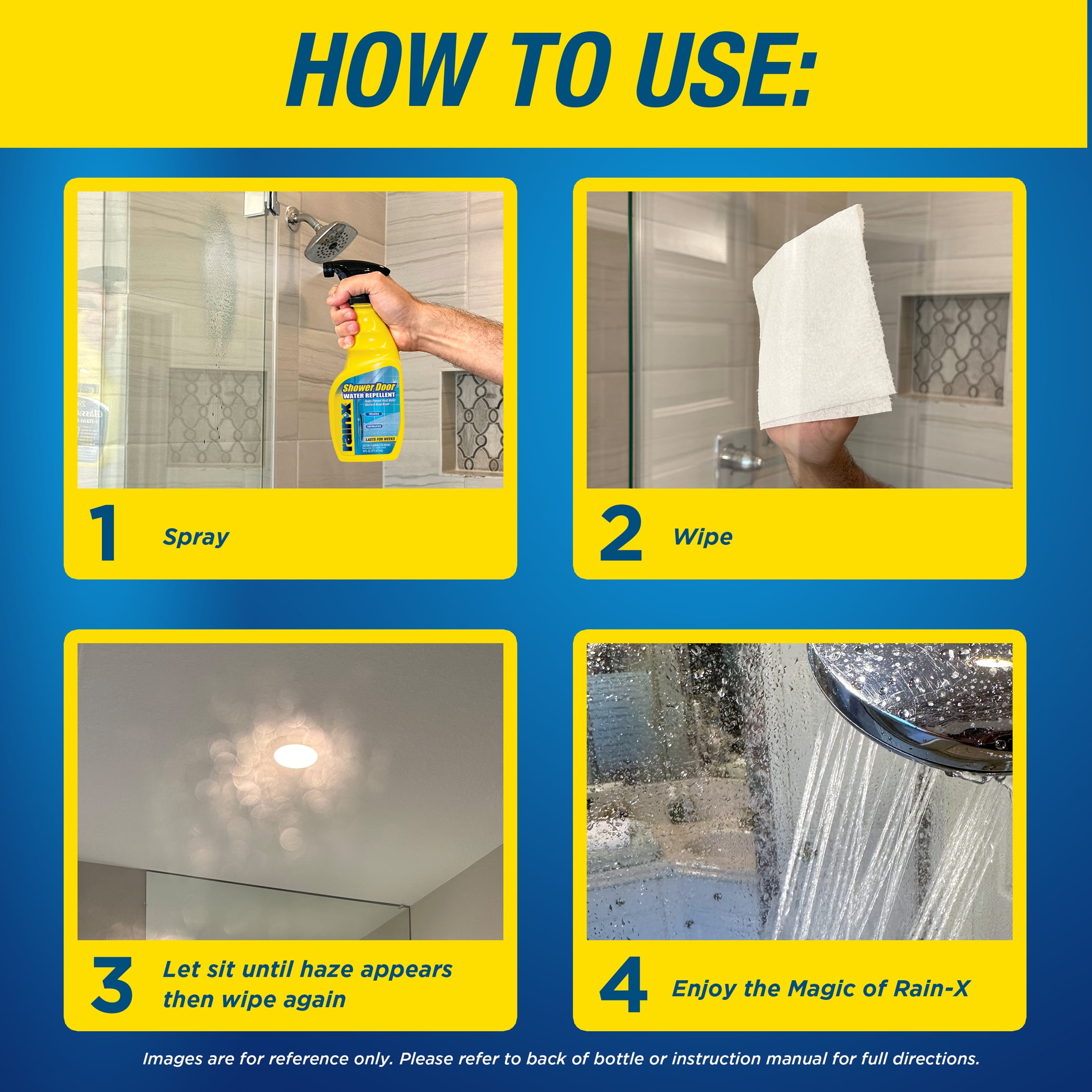
Upgrade your shower’s defense against soap scum.
Use Hydrophobic Glass Treatments
Products like Rain-X or specialized shower coatings repel water.
Apply After Deep Cleaning
Ensure glass is spotless before treatment.
Reapply Monthly
Maintain the water-beading effect for easier cleaning.
Monitor for Permanent Damage
If cleaning fails, the glass may be etched.
Signs of Etching
Frosted appearance that doesn’t improve with scrubbing.
Last Resort
Consider glass replacement or a tub-to-shower conversion.
Frequently Asked Questions About Soap Scum Removal
What is the fastest way to remove soap scum from glass shower doors?
The fastest method is using a Magic Eraser on smooth glass. Wet the sponge, squeeze out excess water, and wipe with firm, even strokes. For heavy buildup, spray vinegar first and let it sit 10 minutes before using the Magic Eraser.
Can vinegar damage glass shower doors?
No, vinegar is safe for glass when used properly. Mix equal parts white vinegar and water, let it sit 10 to 15 minutes, then rinse thoroughly. Always dry the glass afterward to prevent streaking.
How often should I clean my shower doors to prevent soap scum?
Squeegee after every shower, wipe down weekly, and deep clean monthly. Textured glass requires more frequent attention than smooth glass because residue collects in grooves.
What should I avoid using on glass shower doors?
Never use steel wool, metal scrapers, or abrasive scrubbers. These cause permanent scratches. Also avoid mixing Magic Eraser products with bleach or other cleaners, as this creates hazardous reactions.
Why does my shower glass look cloudy even after cleaning?
Cloudiness that doesn’t improve with scrubbing may indicate permanent etching from hard water damage. In this case, cleaning won’t restore clarity and you may need glass replacement or a hydrophobic coating treatment.
Is baking soda safe for textured glass doors?
Yes, baking soda is ideal for textured glass. Make a thick paste, apply it generously, and let it sit 15 to 20 minutes. Use a soft toothbrush to work the paste into grooves, then rinse thoroughly.
Key Takeaways for Soap Scum Removal Success
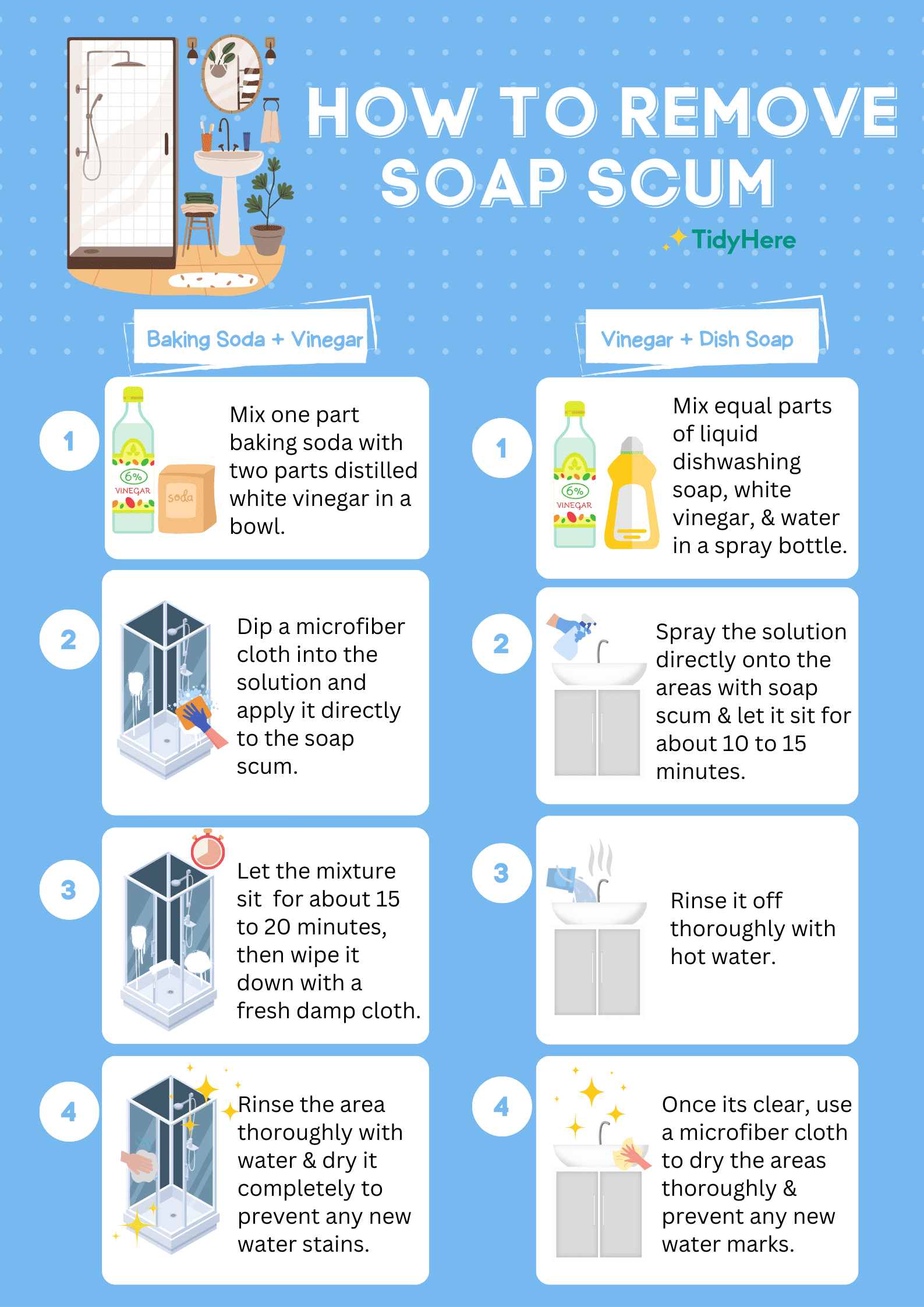
Removing soap scum from glass shower doors comes down to three core principles. First, always follow the four-step method: saturate, dwell, scrub gently, and rinse and dry immediately. Second, match your cleaner to your glass type. Use pastes and toothbrushes for textured glass, and squeegees or Magic Erasers for smooth surfaces. Third, prevention beats removal every time. A daily squeegee habit eliminates most buildup before it starts.
Your next step is simple: pick one prevention habit and start today. Squeegee after your next shower, or set a weekly reminder to wipe down the glass. Consistency over intensity is what keeps shower doors sparkling clean year-round.