
Hard water stains on glass are more than just an eyesore; they are a persistent problem caused by mineral deposits that standard cleaners cannot touch. When water evaporates from shower doors, windows, or glass fixtures, it leaves behind calcium and magnesium, creating cloudy white spots that resist ordinary glass cleaners. Left untreated, these stains can bond permanently to the surface, leading to etching and irreversible damage.
The good news is that with the right acidic solutions and techniques, you can dissolve these deposits safely and restore clarity. This guide reveals proven, step-by-step methods, from household staples like vinegar and lemon to powerful commercial removers, so you can tackle any level of staining, prevent recurrence, and keep glass surfaces spotless.
Identify the Stain Type Before Cleaning
Confirm It Is Hard Water Buildup
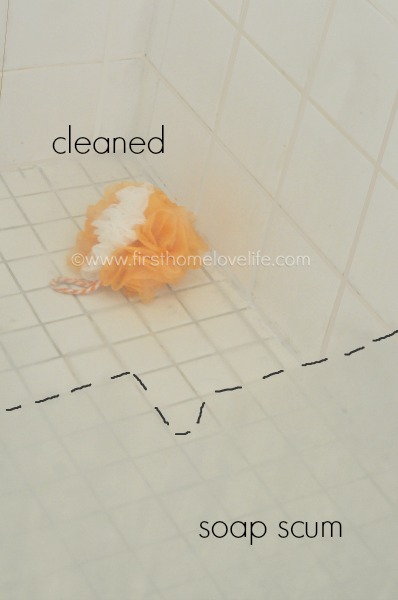
Before cleaning, verify you are dealing with mineral deposits rather than soap scum or dirt. Spray a commercial glass cleaner on the affected area. If the spots remain, they are likely hard water stains. These appear as cloudy, chalky, circular marks that feel rough when touched, unlike the smooth surface of clean glass. Soap scum may smear, while hard water stains resist wiping. On windows or shower doors, these spots often cluster where water drips or pools.
Assess Stain Severity to Choose the Right Method
Matching your method to the level of buildup prevents damage and wasted effort.
- Light staining: Tiny, faint spots visible up close. Treatable with vinegar or lemon juice.
- Moderate staining: Larger, opaque areas that blur visibility. Requires longer dwell time or mild abrasion.
- Severe or etched glass: Permanent cloudiness or pitting. No cleaner will remove it. Only professional polishing or replacement helps.
If the stain feels rough or your fingernail catches on it, etching may have started. Act fast before the damage spreads.
Use Vinegar and Water Solution for Light Stains

Mix the Right Ratio for Maximum Effectiveness
Start with a balanced, effective solution of 1 part distilled white vinegar to 1 part distilled water. Use distilled ingredients because tap water adds more minerals. Pour into a spray bottle. For heavier stains, use cleaning-grade vinegar (6% acidity) instead of food-grade (5%).
Apply and Soak Properly for Best Results
Spray the solution liberally on the glass. For stubborn spots, soak paper towels in undiluted vinegar, press them onto the glass, and cover with plastic wrap to slow evaporation. Let sit for at least 30 minutes, longer for thick buildup. Reapply if the surface dries.
Scrub and Dry Completely to Prevent New Spots
After soaking, scrub with a microfiber cloth, soft-bristled brush, or non-scratch yellow pad. Use an old toothbrush for corners and metal trim. Rinse with distilled water, then squeegee from top to bottom to remove excess liquid. Finish by drying with a lint-free microfiber cloth to prevent new spots.
Try Baking Soda Paste With Caution on Durable Glass
When to Use This Method Safely
This combo works well on shower doors or drinking glasses where abrasion risk is low. Avoid it on window glass because baking soda is slightly abrasive and can cause micro-scratches over time, especially on coated or delicate surfaces.
Make and Apply the Paste Correctly
Mix 3 parts baking soda to 1 part water into a thin paste. After pre-soaking the glass in vinegar, apply the paste with a soft cloth. Let it sit for 10 minutes, then spritz with vinegar to activate foaming. The bubbles help lift deposits.
Finish Without Scratching the Surface
Scrub gently in circular motions. For tough spots, rub with crumpled parchment paper. Its texture removes buildup without scratching. Rinse thoroughly with distilled water and dry immediately.
Apply Lemon Juice Directly for Natural Cleaning Power
Use Fresh Lemon for Maximum Effect
Lemon juice contains citric acid, a natural mineral dissolver. Roll 1 to 2 lemons on the counter to soften, then slice in half crosswise. Remove seeds to avoid scratching. Rub the cut side directly onto stained areas using firm, circular motions.
Let It Work and Rinse Clean
Allow the juice to sit for 10 to 15 minutes. The acid breaks down minerals while the fibrous pulp provides gentle scrubbing. Wipe with a damp microfiber cloth, rinse with distilled water, and dry completely. For a streak-free shine, follow with a commercial glass cleaner.
Boost Power with Vinegar Mix for Stubborn Spots
For extra strength, mix equal parts lemon juice and white vinegar in a spray bottle. Spray, wait 30 minutes, scrub, and rinse. This high-acidity blend tackles moderate to heavy buildup fast.
Use Citric Acid Powder for Stronger Dissolving Action
Why It Is More Effective Than Vinegar
Citric acid powder is derived from citrus but concentrated, making it stronger than vinegar or lemon juice. It dissolves calcium fast and leaves no lingering odor.
Prepare and Apply the Solution
Mix 2 to 3 tablespoons of citric acid powder with warm water in a bowl or spray bottle. Apply to the glass, ensuring full coverage. Let sit for 15 to 30 minutes. Scrub with a sponge or microfiber cloth using circular motions.
Rinse and Dry Thoroughly
Flush with distilled water to remove all residue. Dry immediately with a squeegee and microfiber cloth. This method is ideal for shower doors and glass fixtures with heavy scaling.
Clean with Rubbing Alcohol for Mild Stains and Maintenance
Best for Fresh Spots and Weekly Upkeep
Rubbing alcohol (isopropyl) works on fresh or light mineral spots. It evaporates quickly and disinfects, making it ideal for weekly maintenance cleaning.
Mix and Spray Correctly
Combine 1 part rubbing alcohol with 2 parts distilled water in a spray bottle. Spray on the glass, let sit for 5 to 10 minutes, then wipe with a soft sponge. Rinse with distilled water and dry. Avoid using on large stained areas because alcohol alone will not break down thick deposits.
Use Melamine Sponges Safely on Durable Surfaces
How Magic Erasers Work on Mineral Deposits
Melamine sponges act as fine micro-abrasives that cut through mineral and soap scum without harsh chemicals. They are effective on shower doors and glass tiles.
Use With Caution to Avoid Scratches
Dampen the sponge with water and gently scrub the stain. Do not press hard; let the sponge do the work. Test on a small area first. Avoid using on coated, tinted, or delicate window glass, as repeated use may cause fine scratches over time.
Rinse and Protect After Scrubbing
After scrubbing, rinse the area with distilled water and dry completely. Follow with a vinegar rinse to neutralize any residue and prevent new spotting.
Apply Commercial Cleaners for Stubborn Stains

Try CJ’s Green Cream for Tough Buildup
For stains that resist natural methods, CJ’s Green Cream is a top performer. It is safe for glass, chrome, tile, and stone (except natural stone), and restores clarity without fumes.
Apply with Yellow Pad for Best Results
Shake the bottle well. Squeeze a gumball-sized amount onto a non-scratch yellow pad. Scrub in circular motions. Rinse thoroughly with water and dry. This product is effective on bonded deposits that vinegar cannot lift.
Use CLR for Heavy Buildup
CLR (Calcium, Lime & Rust Remover) is one of the strongest options for severe stains. It dissolves mineral bonds fast.
Follow Safety Steps When Handling Strong Chemicals
Wear gloves and eye protection. Apply directly to the stain, wait 2 to 3 minutes, then scrub and rinse well. Do not let it dry on the surface. It is safe for glass but avoid contact with metal frames or seals.
Choose Acidic Glass Cleaners for Ongoing Maintenance
Look for products labeled for hard water stain removal with a low pH (acidic) formula. Avoid standard cleaners like Windex because they are designed for dust and oils, not mineral bonds. Always test on a small area first.
Prevent Stains from Returning After Cleaning
Squeegee After Every Use
The single most effective prevention method is to squeegee shower glass after each use. This removes water before it evaporates and deposits minerals. Keep a dedicated squeegee in the shower and use it before stepping out.
Dry Glass Completely After Cleaning or Showering
After cleaning or showering, wipe glass with a lint-free microfiber cloth. Leftover droplets become new stains. For windows, dry edges and corners where water collects.
Clean Weekly with Vinegar to Stop Buildup
Spray a diluted vinegar solution (1:1 ratio) weekly on shower doors. Let sit 10 minutes, wipe, and dry. This stops buildup before it becomes visible.
Install Systemic Solutions for Long-Term Protection

Use Distilled Water for All Cleaning Steps
Always mix cleaning solutions and rinse glass with distilled water, never tap water. Tap water contains minerals that cause new spots during rinsing.
Adjust Sprinklers Away from Windows
If window stains reappear despite cleaning, sprinkler overspray may be the culprit. Redirect sprinkler heads or adjust timing to keep water off glass surfaces.
Install a Water Softener for Whole-Home Protection
For whole-home protection, install a water softening system. It removes calcium and magnesium from the water supply, eliminating the root cause of hard water stains.
Frequently Asked Questions About Hard Water Stains on Glass
Can I use tap water to mix my cleaning solution?
No. Tap water contains minerals that can interfere with the cleaning process and leave new spots. Always use distilled water for mixing solutions and final rinses.
Why does Windex not work on hard water stains?
Windex and similar cleaners lack the low pH (high acidity) required to break the chemical bond of calcium and magnesium deposits. They are designed for everyday dirt and oils, not mineral dissolution.
Is a Magic Eraser safe to use on glass?
Yes, melamine sponges are generally safe for glass shower doors and effective against soap scum and mild mineral deposits. However, exercise caution on delicate or coated window glass to avoid micro-scratches.
How long should I let the cleaner sit on the stain?
Allow a minimum of 30 minutes for vinegar solutions. For severe buildup, extend the dwell time or reapply to keep the surface wet. Citric acid and lemon juice typically need 15 to 30 minutes.
What if the stain will not come off after multiple attempts?
If stains have progressed to etching (permanent damage to the glass structure), they cannot be cleaned off. The glass may need professional polishing or full replacement. Escalate to commercial products like CLR or CJ’s Green Cream before reaching this stage.
Can I use vinegar on natural stone or marble?
No. Avoid vinegar, lemon juice, and acidic commercial cleaners on marble, granite, or limestone because acidity can etch and damage these surfaces.
Final Thoughts on Removing Hard Water Stains from Glass
Hard water stains are both preventable and treatable when caught early. Start with vinegar or lemon juice for light buildup, then escalate to citric acid or commercial removers for tough cases. Always dry glass completely after cleaning and use distilled water for all steps. Avoid abrasives on delicate window surfaces to prevent scratches.
Your next step is simple: pick the method that matches your stain severity and tackle one glass surface today. With consistent maintenance using a squeegee and weekly vinegar sprays, you can keep glass crystal clear and avoid costly replacements down the road.