
You’ve held onto a beautiful glass bottle or jar, but that stubborn label refuses to let go. Whether you’re upcycling for crafts, prepping containers for homemade preserves, or simply decluttering, knowing how to remove labels from glass bottles effectively saves time and frustration. The real challenge isn’t the paper itself but the sticky adhesive residue that clings long after the label comes off.
The good news is that most labels can be removed using simple household items like vinegar, oil, or baking soda. Success depends on the label type (paper versus plastic), the adhesive used, and your preferred approach. This guide breaks down the most effective, tested techniques so you can choose the right one for your project. You’ll learn how to dissolve glue, avoid damaging glass, and finish with a clean, professional-looking bottle every time.
Vinegar Soak for Easy Label Removal

White vinegar ranks as one of the most effective, affordable, and non-toxic solutions for removing paper labels from glass. Its acidity breaks down adhesives without harsh fumes or chemicals, making it ideal for food jars and eco-conscious users.
Apply a Vinegar Compress
Soak a paper towel or clean rag in distilled white vinegar. Press it directly over the entire label, ensuring full coverage. For bottles with curved surfaces, wrap the soaked cloth around the label and secure it with a rubber band if needed. The vinegar begins penetrating the paper and adhesive immediately.
Wait 15 to 60 Minutes
Let the vinegar sit for at least 15 minutes. For thicker labels or older residue, extend the time to 45 minutes or an hour. You’ll notice the paper softening and lifting at the edges, which means the glue is dissolving.
Peel and Wash
Gently peel the label off with your fingers. Most will come away in one piece. If sticky residue remains, scrub lightly with a soapy sponge under warm water. The combination of dish soap and residual vinegar typically removes any leftover film with minimal effort.
Pro Tip: Add a few drops of lemon juice to the vinegar to reduce odor and boost grease-cutting power.
Baking Soda and Oil Paste for Tough Residue
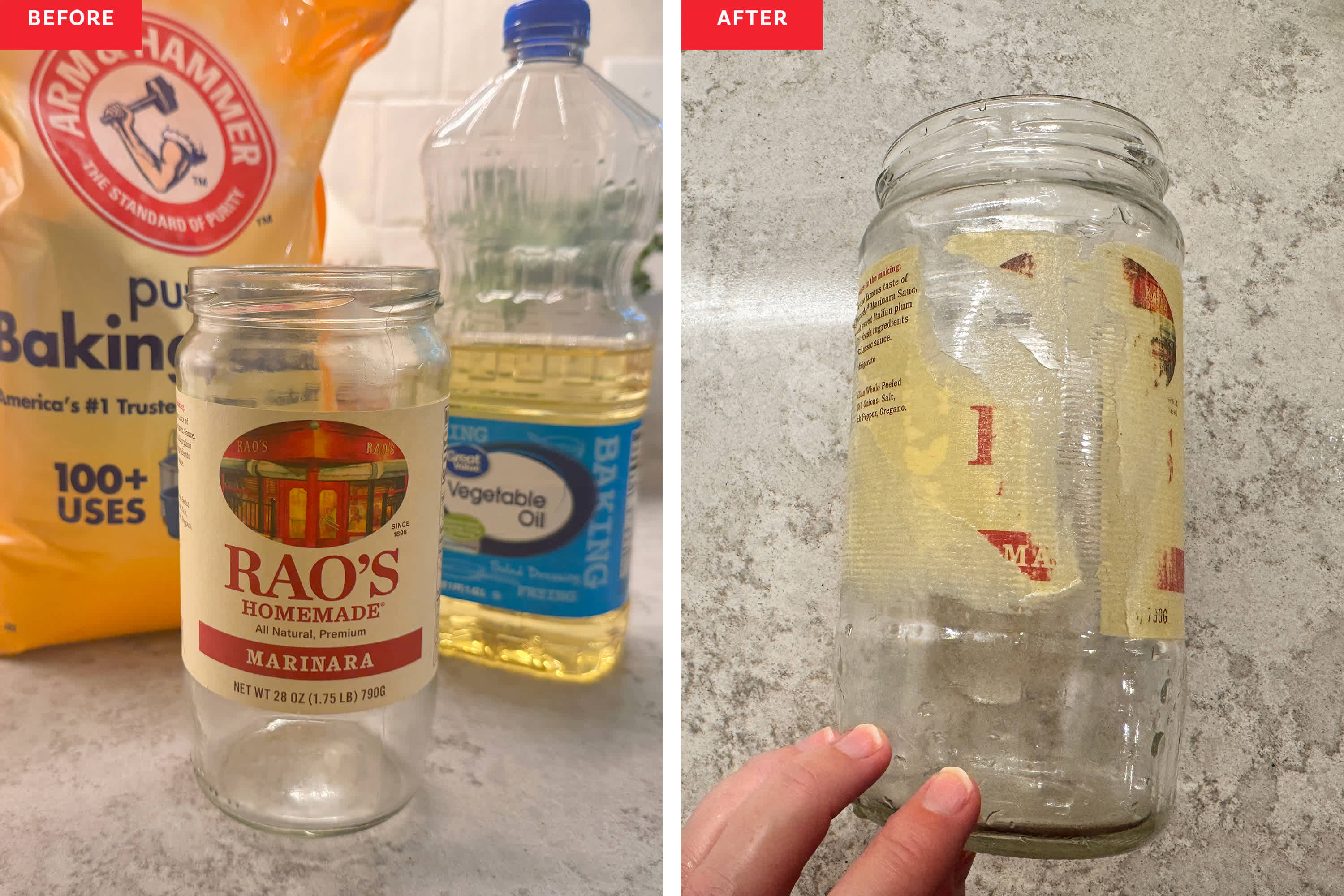
When labels leave behind a stubborn, gummy mess, the baking soda and oil paste is your best defense. This method combines chemical dissolution (oil breaks down glue) with light abrasion (baking soda scrubs it away), making it perfect for honey jars, spice containers, or vintage bottles.
Mix Equal Parts Oil and Baking Soda
Combine 1 tablespoon of baking soda with 1 tablespoon of cooking oil (olive, canola, or vegetable). Stir until the mixture reaches a runny, icing-like consistency. Too thick? Add a few drops of oil. Too thin? Add a pinch more baking soda.
Cover the Label and Wait Overnight
Spread the paste thickly over the entire label area, extending slightly beyond the edges. Let it sit for several hours, ideally overnight. The oil penetrates the adhesive, softening it deeply, while the baking soda prevents the oil from running off.
Scrub with Steel Wool
After the dwell time, use fine steel wool or a heavy-duty scrub sponge to wipe away the label and residue. Apply moderate pressure in circular motions. The glue should lift cleanly, leaving behind only a greasy film.
Wash Off Oil Residue
Soak the bottle in hot, soapy water for 10 minutes, then wash thoroughly. Rinse well and dry upside down on a towel to prevent water spots.
Expert Note: This method is completely food-safe after washing, making it ideal for beekeepers, home canners, or anyone reusing jars for storage.
Oil-Only Rub for Fast Glue Removal
If you’ve already peeled off the paper label but still see sticky residue, this quick oil rub is the fastest natural fix. It targets oil-based adhesives commonly used in modern packaging and takes less than two minutes.
Soften the Label First with Hot Water
Fill the sink with hot water and submerge the bottle for 5 to 10 minutes. This loosens the paper. Peel off as much as possible. Even if small bits remain, that’s okay.
Rub with an Oily Cloth
Pour a small amount of olive or vegetable oil onto a paper towel or rag. Rub it vigorously over the sticky areas using firm, circular motions. The oil dissolves the glue on contact. You’ll feel the tackiness disappear within seconds.
Wash with Soap and Water
Rinse the bottle under warm water and wash with dish soap to remove the oily film. Dry completely before reuse.
Why It Works: Oil dissolves oil. Your adhesive is likely oil-based, so this method attacks it directly without scrubbing.
Hot Water and Heat Methods
Heat weakens adhesive bonds, making labels easier to peel. These methods work well for single bottles or when you want immediate results. Just be cautious to avoid thermal shock.
Soak in Hot Soapy Water Overnight
Fill a basin with hot water and a few drops of dish soap. Submerge bottles and leave them overnight. For better results, score the label surface lightly with a razor blade first to let water seep underneath. About half the time, the label will slide off by morning. Stubborn glue may require a follow-up oil or vinegar treatment.
Fill the Bottle with Boiling Water
Using a funnel and oven mitts, pour boiling water directly into the bottle until full. Wait 2 to 3 minutes. The heat travels through the glass and softens the adhesive from the inside. Carefully pour out the water and peel the label while the glass is still warm. Use caution: never pour boiling water into a cold bottle.
Use a Hair Dryer or Heat Gun
Hold a hair dryer 2 to 3 inches from the label and heat it for 30 to 60 seconds, starting at one corner. The glue will soften quickly, allowing you to peel the label off cleanly. A heat gun works faster but requires more control. Keep it moving to avoid overheating.
Warning: Avoid direct flame unless experienced. Holding a bottle over a gas stove for 5 to 10 seconds while rotating can work, but risks cracking or burns.
Dishwasher Cleaning Hack
Your dishwasher can do the work for you, especially if you’re cleaning multiple jars. The combination of heat, water pressure, and detergent often loosens labels during a normal cycle.
Load Bottles Directly in the Dishwasher
Place jars upright in the dishwasher without pre-soaking. Run a regular or heavy-duty cycle. Many paper labels will fall off during the wash.
Check for Survivors
Some wine or specialty bottles have waterproof labels designed to withstand washing. If the label remains, treat it with vinegar, oil, or a solvent afterward.
Best For: Batch cleaning mason jars, sauce bottles, or beer bottles before homebrewing.
Chemical Solvents for Plastic Labels
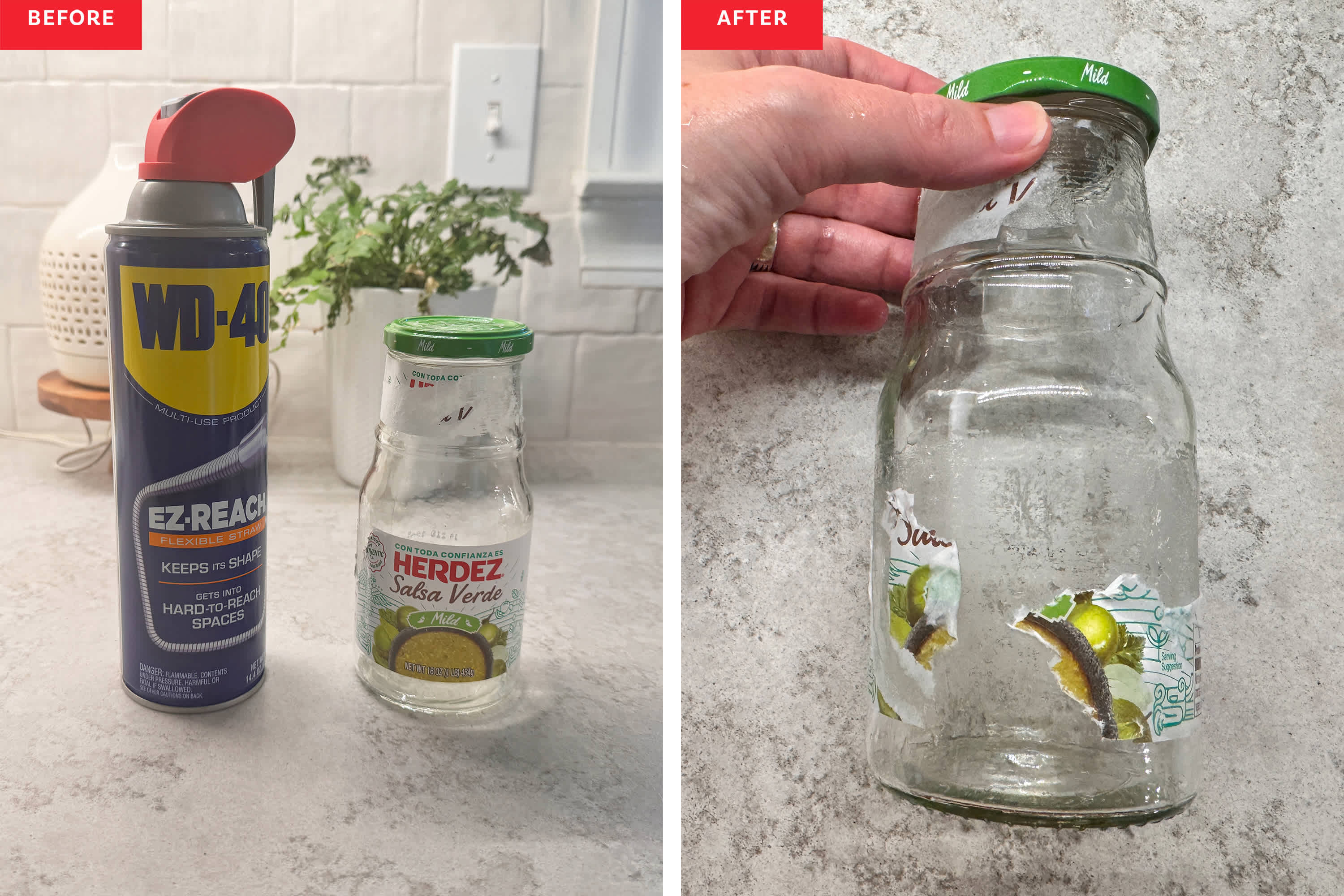
Plastic labels are notoriously hard to remove because they don’t absorb water or vinegar. They often use industrial-strength adhesives that resist natural methods. That’s when solvents become necessary.
Try OxiClean for Bulk Soaking
Mix a scoop of OxiClean (sodium percarbonate) in warm water and soak bottles for several hours. This oxygen-based cleaner breaks down paper and weakens glue, making it great for homebrewers reusing dozens of beer bottles. Plastic labels may survive, but the adhesive underneath often softens enough to peel.
Use WD-40 or Lighter Fluid
Spray WD-40 directly onto the label or pour a small amount of Ronsonol lighter fluid at the edge. Let it sit for 2 to 3 minutes. The solvent seeps under the label, dissolving the bond. Wipe away with a cloth. Follow with a soapy wash to remove residue.
Apply Goo Gone or Acetone
For extreme cases, use Goo Gone or acetone-based nail polish remover. Apply with a cloth, wait 1 to 2 minutes, then wipe clean. Acetone is powerful but flammable, and fumes are strong. Use only in well-ventilated areas.
Safety First: Always wear gloves and test solvents on a small area first. Never mix chemicals.
Handle Paper vs. Plastic Labels Differently
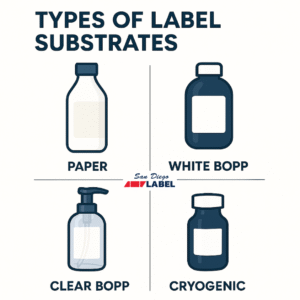
Not all labels are created equal. Choosing the wrong method leads to wasted time and frustration. Know the difference before you start.
Paper Labels Come Off Easily
Most food jars, beer bottles, and drink containers use paper labels with water-soluble or oil-based glue. Vinegar, hot water, or oil treatments work best. Peeling after soaking usually removes the label in one piece.
Plastic Labels Need Solvents
Plastic or polymer labels (common on premium wines, spirits, or imported goods) resist water and vinegar. They’re designed to stay on through washing. Skip natural methods and go straight to WD-40, naphtha, or Goo Gone. Even then, some may need to be discarded if they won’t budge.
Test Tip: Scratch the label with your fingernail. If it feels slick and plastic-like, assume it’s non-porous and plan accordingly.
Eliminate Sticky Residue Completely

The label might be gone, but the sticky film remains. This residue attracts dust and looks unprofessional. Use the right cleanup method based on how tough the glue is.
Mild Residue: Soap and Warm Water
After peeling a fresh label, wash the area with dish soap and a sponge. This works for recently removed labels with weak adhesives.
Medium Residue: Oil Rub
Apply vegetable oil and rub for 30 seconds. The oil dissolves the glue, which wipes away with a paper towel. Wash afterward.
Heavy Residue: Baking Soda Paste
For thick, dried-on glue, reapply the baking soda and oil paste. Let it sit for 2 hours, then scrub with steel wool. This removes even the most stubborn buildup.
Industrial Glue: Solvent Wipe
Use naphtha or acetone on a cloth. Dab (don’t soak) the area, wait briefly, then wipe. Rinse thoroughly with soap and water.
Avoid Common Mistakes
Even simple methods can go wrong if you skip key steps. Avoid these pitfalls for better results.
Don’t Pour Boiling Water into Cold Glass
Thermal shock can cause instant cracking. Always let bottles reach room temperature first, or warm them gradually with hot tap water before adding boiling water.
Don’t Use Metal Scrapers Aggressively
Razor blades are fine for scoring, but scraping hard can scratch or weaken glass. Use plastic scrapers or fingernails for peeling.
Don’t Skip the Dwell Time
Impatience leads to failure. Vinegar, oil, and solvents need time to penetrate. Set a timer and don’t rush.
Don’t Mix Chemicals
Never combine bleach, ammonia, or different solvents. Fumes can be toxic. Stick to one method at a time.
Safety Tips for Every Method
Protect yourself and your workspace, especially when using heat or chemicals.
Wear Gloves
Use rubber or nitrile gloves when handling hot water, solvents, or abrasive scrubbers. This keeps hands safe and improves grip.
Work in a Ventilated Area
Open a window or turn on a fan when using acetone, naphtha, or commercial removers. These fumes are flammable and irritating.
Use Protective Eyewear
When scraping or applying pressure, small glass fragments or chemical splashes can occur. Safety glasses are a smart precaution.
Test First on a Hidden Spot
Apply solvents or pastes to a small, inconspicuous area (like the bottom of the jar) to check for reactions, especially on colored or decorative glass.
Choose the Right Tools
Having the correct tools makes the job faster and safer.
Plastic Scraper
Ideal for lifting label corners without scratching glass. Available at hardware stores or repurposed from old credit cards.
Steel Wool or Green Scrub Pad
Use fine-grade steel wool (000 or 0000) for paste methods. Avoid coarse grades that can leave micro-scratches.
Funnel and Oven Mitts
Essential for safely pouring boiling water into narrow-neck bottles.
Paper Towels and Rags
Keep plenty on hand for soaking, wiping, and cleanup.
Frequently Asked Questions About Removing Labels from Glass Bottles
What is the easiest way to remove labels from glass bottles?
The easiest method is the vinegar soak. Saturate a paper towel with white vinegar, press it over the label, wait 15 to 45 minutes, then peel. The paper lifts off cleanly, and any remaining residue washes away with dish soap.
How do you remove sticky residue from glass bottles after peeling the label?
For sticky residue, use an oil rub. Pour vegetable or olive oil on a cloth and rub the area in circular motions for 30 seconds to 2 minutes. The oil dissolves oil-based adhesives quickly. Wash with soap and water afterward.
Can you remove plastic labels from glass bottles?
Yes, but plastic labels require solvents because they resist water and vinegar. Apply WD-40, naphtha, or Goo Gone to the label edge, let it sit for 2 to 3 minutes, then peel. Some plastic labels may resist even solvents and need to be left partially attached or discarded.
Is it safe to use boiling water to remove labels from glass bottles?
Boiling water is safe if you prevent thermal shock. Never pour boiling water into a cold bottle. Allow the glass to reach room temperature first, or use a funnel and pour gradually. The heat softens adhesive effectively without cracking if done carefully.
How long does it take to remove a label from a glass bottle?
Timing varies by method. The vinegar soak takes 15 to 60 minutes. The baking soda paste works best overnight. The oil rub takes 1 to 2 minutes after the label is peeled. Heat methods (hair dryer or boiling water) work in under 5 minutes.
Will these methods work on wine bottles with stubborn labels?
Wine bottles often have waterproof or plastic labels designed to survive washing. Start with WD-40 or naphtha for these. If the label resists, you may need to accept partial removal or use acetone-based removers in a ventilated space.
Final Thoughts on Removing Labels from Glass Bottles
Removing labels from glass bottles doesn’t have to be messy or time-consuming. With the right method, most jobs take under an hour, and many take just minutes. For paper labels, start with vinegar because it’s cheap, safe, and highly effective. For sticky residue, the baking soda and oil paste is unbeatable. For plastic labels, go straight to solvents like WD-40 or Goo Gone.
Always prioritize safety: avoid thermal shock, ventilate when using chemicals, and wear gloves. Once clean, dry bottles upside down and store them in a dry place. Now you’re ready to reuse, recycle, or repurpose with confidence. Pick your method, gather your supplies, and transform those saved bottles into something new today.