Your auto dimming mirror not working can turn nighttime driving into a glare-filled nightmare. This issue affects Ford, Honda, BMW, Mercedes, and other major brands, leaving drivers frustrated with either constant dimming, complete non-response, or mirrors that stay dark no matter the conditions. The good news: most failures stem from sensor blockage, loose connectors, or software glitches, not a dead mirror. This guide walks you through proven diagnostic steps to restore your mirror’s function without costly replacements.
How Auto Dimming Mirrors Function
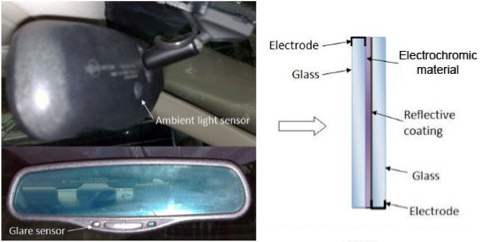
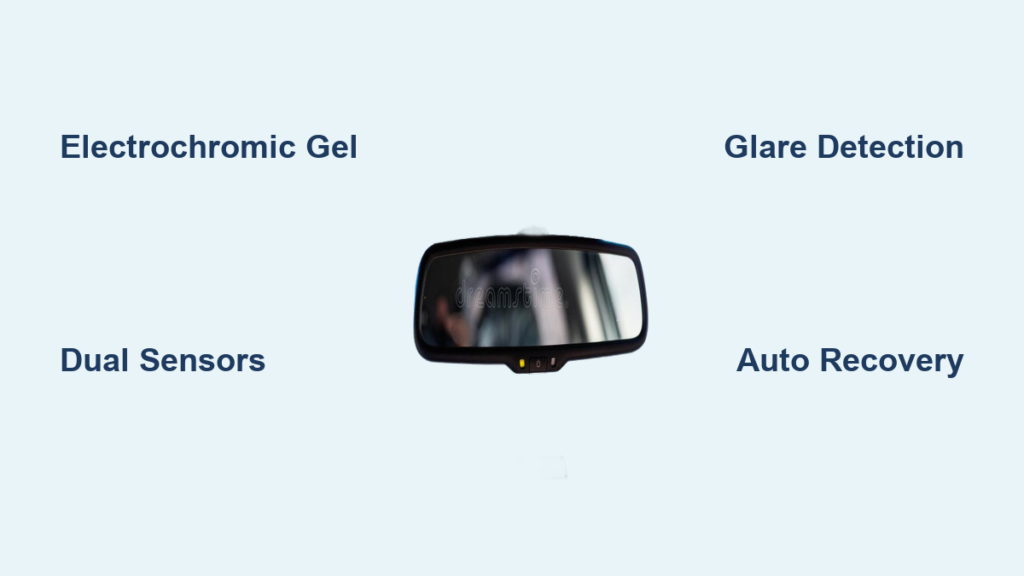
Auto dimming mirrors use electrochromic technology to reduce headlight glare from vehicles behind you. Two sensors work together: a front sensor detects ambient daylight or darkness, while a rear sensor picks up bright lights from trailing vehicles. When the rear sensor sees more light than the front sensor, the mirror darkens automatically. During daylight or when reverse gear engages, it returns to full reflectivity. The ignition must be on for the system to activate.
Understanding the Sensor Logic
The system requires a light differential to trigger dimming. If the rear sensor detects significantly more light than the front sensor, dimming begins. No contrast means no dimming. This is why window tint, blocked sensors, or even fingerprints can disable the feature while the mirror remains electrically sound.
System Dependencies to Check
Your auto dimming mirror relies on several interconnected components. Power flows through shared fuses, and some vehicles require signals from a windshield daylight sensor. Communication with the Body Control Module or FEM is essential, and both sensors must remain clean and unobstructed. Failure in any area stops auto dimming even when the mirror itself works perfectly.
Check for Sensor Blockage First
Dirt, dashcam mounts, toll tags, or even fingerprints can block the tiny sensors embedded in your mirror housing. Before assuming electrical failure, clean both sensors thoroughly.
Cleaning the Front and Rear Sensors
Turn off your ignition. Wipe the top edge of the mirror (front sensor) and the bottom edge (rear sensor) using a microfiber cloth. For stubborn residue, use isopropyl alcohol. Test the mirror at night or simulate darkness by covering the rear sensor while shining a flashlight at the front. If the mirror dims, sensors were the culprit.
Addressing Window Tint Interference
Aftermarket or factory window tint on your rear windshield blocks light from reaching the rear sensor. Signs include mirror failure right after tint installation or dimming that works only in very dark conditions. Fix options include removing tint near the sensor area, recoding mirror sensitivity on BMW or Mercedes vehicles, or installing a secondary rear sensor in rare cases.
Test Power and Electrical Connections

A loose or corroded connector behind the mirror housing ranks among the top causes of failure. Many users restore function by simply reseating the connector.
Inspecting the Mirror Connector
Gently pry off the plastic shroud around the mirror base. Locate the electrical connector, typically 6 to 8 pins. Unplug it and inspect for bent pins, corrosion, or moisture. Reconnect firmly until it clicks. Users report success with this simple fix: “I pulled the connector out slightly, then clicked it back in… side mirror went dark instantly.”
Checking the Right Fuses
Auto dimming mirrors share fuses with backup cameras or infotainment systems. A blown fuse may not disable obvious features but can kill mirror function. Use a multimeter to check continuity on both legs of dual-path fuses, as visual inspection alone may miss internal damage. Replace only with the correct amperage.
Run the Flashlight Diagnostic Test
This quick test confirms whether your mirror electronics are functional. During daylight, cover the rear of the mirror to simulate darkness. Shine a bright flashlight at the front sensor and watch for dimming within 3 to 5 seconds. If the mirror dims, your system works and the problem is environmental. No response indicates an electrical issue or internal failure.
Interpreting Test Results
A successful test means sensors were likely obstructed. Failure points to fuse problems, connector issues, or internal mirror circuit failure. Some users report success using their phone screen brightness to trigger the sensor as an alternative testing method.
Scan for Software and Sensor Errors
Modern vehicles often require diagnostic tools to uncover hidden issues affecting your auto dimming mirror.
Using OBD2 Scanners for Diagnostics
Scan for communication errors in BCM, IPC, or DDM modules. Check live data showing front and rear sensor status. On Mercedes vehicles, parameter 139 indicates day or night status from the windshield sensor. Recommended tools include FORScan for Ford, Xentry for Mercedes, Techstream for Toyota, and BimmerCode for BMW.
Checking the Windshield Daylight Sensor
On Mercedes and some BMW models, a UV-sensitive sensor on your windshield tells the system whether it is day or night. If this sensor fails, mirrors stay dimmed all day. Inspect the optical gel between the sensor and glass for bubbles, yellowing, or separation. Replace the sensor with an OEM unit that includes new gel.
Adjust Mirror Sensitivity via Coding
Factory software may not account for aftermarket tint, causing false day readings that disable auto dimming.
BMW Coding Adjustments
Connect using BimmerCode or INPA. Navigate to the FEMBODY module. Modify dimming thresholds to increase sensitivity. Save changes and test at night. Parameters like CODDT00SCALDIMECRLIN adjust left mirror intensity from default 20 up to 32 for better response with tinted windows.
Mercedes Recoding Options
Use Xentry to access mirror-related parameters. Adjust sensitivity settings to compensate for factory tint or degraded sensor response. This fix restores dimming functionality even with heavily tinted glass.
Model-Specific Troubleshooting Steps

Ford Fusion and MKZ
Fuse #36 powers both the mirror and CCDS system. Check it with a multimeter. Reseat the connector behind the mirror for high success rates. Note that many users report the mirror does nothing different in reverse, contradicting factory specifications.
Honda Accord
Check under-dash fuse locations. The suspected B5 fuse may not be clearly labeled. Check #7 marked “Option” or #35 marked “Accessory.” A green LED on the mirror indicates power; if it’s off, check fuses first.
BMW F36
Factory settings assume clear glass. After tint installation or battery disconnect, mirrors may not relearn properly. Use BimmerCode to adjust dimming thresholds. Drive at night for 10 to 15 minutes to recalibrate if no coding tool is available.
Mercedes-Benz Vehicles
Three sensors are involved: windshield-mounted daylight sensor, front mirror sensor, and rear mirror sensor. Degraded optical gel causes permanent night mode. Replace the windshield sensor with OEM parts including new gel to restore proper function.
Prevent Future Mirror Failures
Keep Sensors Clean and Unobstructed
Avoid placing toll tags, stickers, or dashcams over the mirror base. Wipe sensors monthly with alcohol. Never hang items from the rearview mirror that cast shadows onto the sensors.
Use Proper Window Tint
Choose ceramic tint with high UV transmission or non-metallic films. Professional installation with a sensor window cutout ensures the rear sensor receives adequate light. Standard tint blocks UV light needed by sensors.
Reset After Battery Service
After battery replacement or disconnect, drive at night for 10 to 15 minutes to retrain sensors. Alternatively, perform the flashlight test to force recalibration.
When to Replace Your Mirror
Signs You Need a New Unit
Replace only if there is no power (no LED, no response), connector and fuses test good, flashlight test fails, and no communication appears in live data scan. OEM replacements offer the most reliable function. Aftermarket options like Gentex often include compass and HomeLink features. Refurbished units are available from repair services.
Key Takeaways for Fixing Auto Dimming Mirrors
An auto dimming mirror not working is rarely a dead unit. Most issues stem from sensor blockage, loose connectors, or software states rather than hardware failure. Start with the flashlight test to confirm system functionality, then check fuses and connections. For Mercedes and BMW vehicles, inspect the windshield daylight sensor or recode sensitivity settings. Over 80% of cases resolve without spending money. Keep your sensors clean, avoid tint over sensor areas, and enjoy glare-free nighttime driving.
Frequently Asked Questions About Auto Dimming Mirror Issues
Why does my auto dimming mirror stay dark all day?
This typically indicates a failed windshield daylight sensor on Mercedes or BMW vehicles. The sensor may be stuck in night mode due to degraded optical gel. Check diagnostic parameter 139 using an OBD2 scanner to confirm. Replace the windshield sensor with an OEM unit including new gel.
Can window tint cause my auto dimming mirror to stop working?
Yes. Window tint blocks UV light from reaching the rear sensor, preventing the system from detecting the contrast needed to trigger dimming. This is one of the most common causes of failure. Consider recoding mirror sensitivity or removing tint near the sensor area.
How do I know if my mirror fuse is blown?
Use a multimeter to check continuity on both legs of the fuse. Auto dimming mirrors often share fuses with other systems, so visual inspection alone may miss damage. Check your vehicle-specific fuse diagram and test the relevant fuse with the ignition on.
Why does my mirror work sometimes but not others?
Intermittent operation suggests a loose connector, software glitch, or power fluctuation. Try reseating the connector behind the mirror housing. If the issue persists, scan for communication errors using an OBD2 scanner to identify module issues.
Does the auto dimming feature work in reverse gear?
Factory specifications say mirrors should return to full reflectance when reverse gear engages. However, many users report no change in dimming state when shifting to reverse, particularly on Ford Fusion and BMW F36 models. This may indicate software variation rather than failure.