Placing a mirror isn’t just about hanging glass on a wall. It’s a strategic design move that can transform your space, amplify natural light, and create the illusion of more room. When you know how to place a mirror correctly, you can brighten shadowy corners, elevate your home’s aesthetic, and even improve energy flow according to feng shui principles.
This guide breaks down exactly where and how to place a mirror in every room of your home. You’ll learn room-specific strategies, design tips, and expert-backed guidelines so you get maximum visual payoff without common mistakes.
Position Mirrors to Amplify Natural Light
The most powerful reason to learn how to place a mirror is to maximize light in your home. A well-placed mirror can double the brightness in any room by reflecting daylight deep into the space.
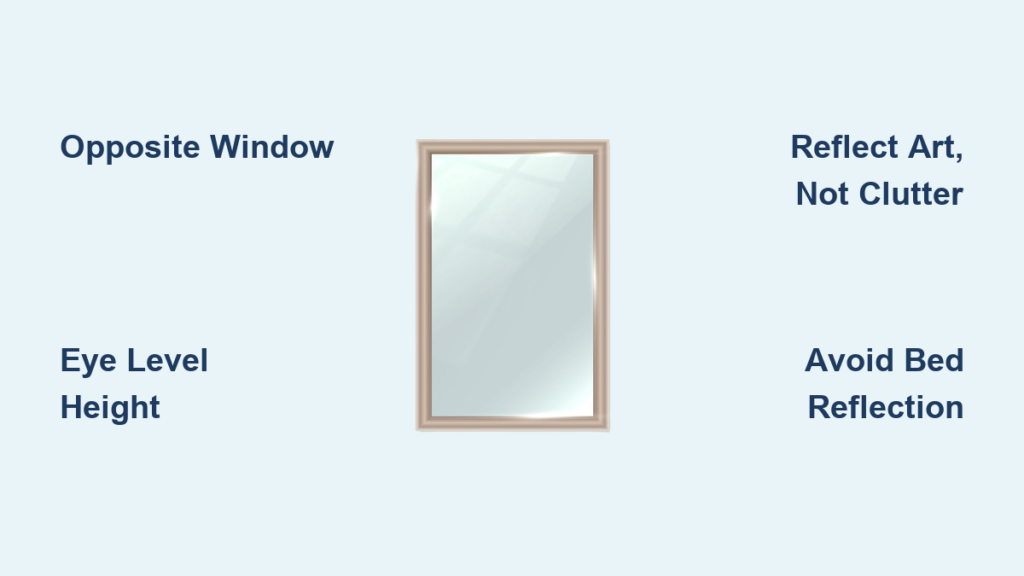
Place a mirror directly opposite a window to capture and bounce natural light, especially effective in north-facing rooms, hallways, or basements that lack windows. For softer illumination that reduces glare, position the mirror beside the window instead of directly across. This diffuses light while still boosting ambient brightness.
Use large, clear mirrors with high-gloss or metallic frames like polished brass or chrome to maximize reflectivity. In sunny areas, consider tinted or antique glass to soften intense midday glare while still enhancing the room’s brightness.
Avoid reflecting direct morning sun from east-facing windows or evening sun from west-facing windows into seating zones. Use sheer curtains or angled mounts to control reflection intensity when needed.
Make Small Rooms Feel Bigger with Strategic Mirror Placement

Learning how to place a mirror in tight spaces determines how big your room actually feels. A floor-length or oversized wall mirror on a short wall visually extends the room, making it appear deeper and more open.
In small bedrooms, mount a tall mirror beside or opposite the bed to reflect outdoor views or architectural details. In narrow hallways, install a mirror at the far end to draw the eye forward and eliminate the tunnel effect. On low-ceilinged walls, use vertical mirrors to pull the gaze upward, creating the illusion of height.
Avoid placing mirrors directly across from each other. This creates infinite reflection that feels disorienting and visually chaotic. If your reflection looks cluttered or distorted, reposition the mirror to frame a cleaner, more intentional view.
Hang Mirrors at the Right Height for Everyday Use
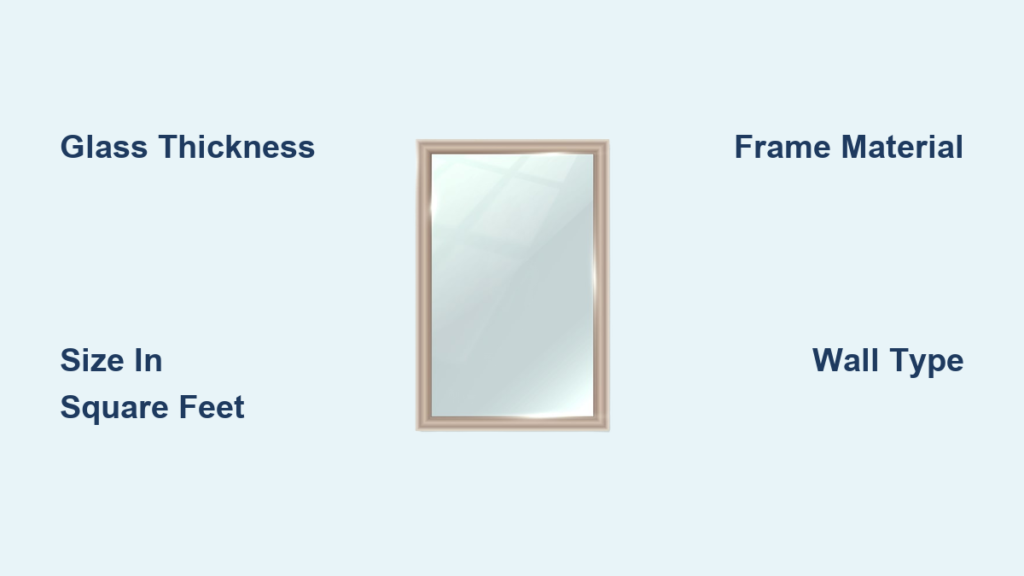
The golden rule for how to place a mirror is simple. Center the mirror at average eye level, about 60 inches from the floor. This ensures comfort and functionality in most rooms.
In bathrooms, mount vanity mirrors 2 to 3 inches above the faucet and at eye level for grooming. In living rooms, when placing a mirror above a sofa or console, align it with seated eye level around 54 inches. In entryways, full-length mirrors should allow users to see their entire outfit, with ideal height from floor to 65 inches.
A common mistake is hanging mirrors too high, which makes them hard to use and visually unbalanced. Always test placement by leaning the mirror in position before drilling holes.
Choose What Your Mirror Reflects
A mirror doubles everything it reflects, so make sure it’s showing something worth seeing. Never place a mirror to reflect clutter, laundry piles, or utility zones like radiators or storage cabinets.
Instead, reflect artwork, houseplants, or scenic windows to enhance beauty. In dining rooms, hang mirrors slightly above seated eye level so they reflect the chandelier or table but not diners’ faces. In bathrooms, avoid reflecting the toilet or shower. Position mirrors to show clean walls or decorative tiles instead.
Feng shui teaches that mirrors amplify energy. Reflecting negative elements like sharp corners or mess is believed to spread stress and imbalance throughout your home.
Bathroom Mirror Placement for Function and Style

In the bathroom, how you place a mirror is all about function. The primary mirror should be centered over the sink and mounted 60 inches from the floor or at eye level for most users.
If the faucet is tall, leave 2 to 3 inches between the top of the fixture and the mirror’s bottom edge. For even lighting, install sconces on either side of the mirror. This eliminates shadows on your face during shaving or makeup application. Consider LED or backlit mirrors for modern style and enhanced visibility.
Bathrooms are high-moisture environments, so select mirrors built for the space. Use anti-fog mirrors to prevent condensation after showers. Choose shatterproof or safety-coated glass to protect against breakage in homes with kids. Avoid covering all four walls with mirrors. It feels overwhelming. Stick to one main reflective surface above the sink or on a side wall.
Bedroom Mirror Placement Without Disrupting Sleep
Never place a mirror directly across from the bed. This is a top feng shui no-no. Seeing your reflection at night can cause restlessness, anxiety, or disrupted sleep.
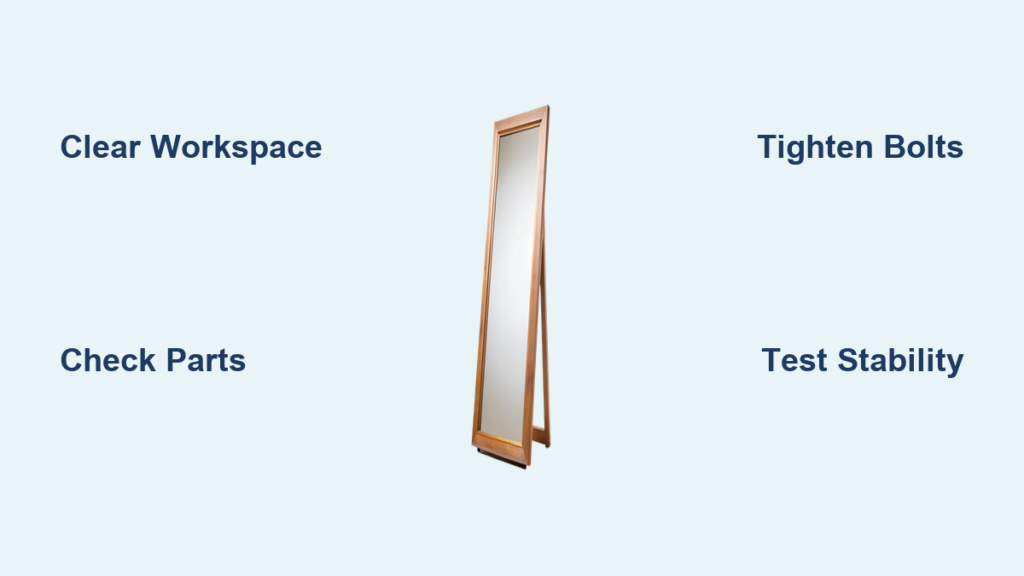
Better alternatives include mounting a mirror above a dresser or inside a closet door. Use a leaning full-length mirror near the wardrobe, angled away from the bed. Install mirrored closet doors for seamless storage and function.
Rectangular or square mirrors promote stability and calm, ideal for sleep spaces. Save round or oval mirrors for hallways or guest rooms. Secure leaning mirrors with wall brackets or anti-tip straps, especially in homes with children or pets.
Living Room Mirror Placement for Design Impact
The living room is where mirrors shine as design focal points. Hang a bold piece above the fireplace mantel to add architectural weight and reflect firelight beautifully.
To open up the space, place a mirror behind the sofa against a solid wall to create the illusion that the room continues beyond. Use frameless or custom-cut mirrors in small living rooms to avoid visual clutter.
Follow the two-thirds rule. The mirror should be about two-thirds the width of the furniture below it, whether sofa, console, or mantel. Pair metallic mirror frames with other finishes in the room like brass sconces, gold picture frames, or chrome table legs.
Dining Room Mirror Placement for Elegant Ambiance
In the dining room, mirrors should enhance ambiance, not distract during meals. Hang the mirror above eye level when seated so it reflects the chandelier, table centerpiece, or a nearby window.
Use symmetrical placement in formal spaces. Two identical mirrors on either side of a buffet or window create balance. Choose ornate frames for traditional dining rooms and minimalist designs for modern spaces.
Avoid placing mirrors where guests will see themselves eating. It’s uncomfortable and breaks the mood.
Kitchen Mirror Placement for Light and Visibility
In the kitchen, mirrors serve both functional and aesthetic roles. Mount a mirror above the stove in open-plan layouts to monitor food while cooking. Use mirror backsplashes or small accent mirrors near the sink to brighten work zones.
Choose durable, easy-to-clean glass with sealed edges to resist grease and moisture. Use small round or oval mirrors in compact kitchens and rectangular mirrors in larger spaces for bold impact.
Hallway Mirror Placement to Open Tight Spaces
In long, narrow hallways, hang a mirror at the far end to create depth and draw the eye forward. For short, wide hallways, mount a mirror on a side wall to prevent the space from feeling boxed in.
Use tall vertical mirrors to improve proportions in low-ceilinged entries. Try curated mirror groupings above a console table for style and dimension. Never place mirrors facing each other. This creates an endless loop that feels disorienting.
Entryway Mirror Placement for Practical Use
An entryway mirror serves a last-minute check function, perfect for adjusting ties, fixing hair, or grabbing keys before leaving. Use a full-length mirror to see your whole outfit.
Consider a mirrored back on the front door if it’s solid to simulate a window and reflect entry decor. Pair with wall sconces or a pendant light for a layered, inviting look. In covered patios or entries, use weather-resistant mirrors with rust-proof frames.
Select the Right Mirror Shape and Frame
Mirror shape affects the energy and feel of a room. Square and rectangular mirrors work best in bedrooms, offices, and dining rooms where you want stability and order. Round and oval mirrors suit hallways and bathrooms where soft, flowing energy feels appropriate. Arched and full-length mirrors add height and elegance to living rooms and entryways. Sunburst and ornate mirrors bring drama and artistry to accent walls and boho spaces.
Frame selection matters too. Metallic frames like brass or silver boost light reflection and add luxury. Wooden or carved frames suit traditional decor. Frameless mirrors offer clean, modern simplicity. Always match the frame finish to other hardware in the room.
Follow Feng Shui Guidelines for Mirror Placement
Feng shui teaches that mirrors amplify energy, so use them wisely. Do reflect natural light, plants, art, or welcoming entry views. Don’t reflect the front door directly, toilets, sharp corners, or clutter.
In bedrooms, cover mirrors at night or place them inside closets to prevent restless energy. A mirror facing the bed doubles activity, which can lead to insomnia or anxiety according to this practice.
Avoid Common Mirror Placement Mistakes
Hanging mirrors too high or too low disrupts visual balance and usability. Rehang so the center sits at approximately 60 inches from the floor. Reflecting clutter amplifies mess and creates visual noise. Reposition to show art or windows instead.
Facing the bed causes sleep disruption. Move the mirror to a closet or dresser. Causing sun glare creates discomfort. Angle the mirror away or use tinted glass. Using mirrors too small for the wall gets lost and fails to make impact. Use oversized or grouped mirrors to fill large spaces proportionally.
Never install mirrors on ceilings. This trend is outdated, unsafe, and disorienting.
Frequently Asked Questions About Mirror Placement
What is the best height to hang a mirror?
The center of most mirrors should sit at approximately 60 inches from the floor, which aligns with average eye level. Adjust slightly based on the room’s purpose. Bathroom vanity mirrors work best at eye level, while living room mirrors above furniture look best at seated eye level around 54 inches.
Where should you not place a mirror?
Avoid placing mirrors directly across from the bed, as this disrupts sleep according to feng shui principles. Don’t position mirrors to reflect toilets, showers, or cluttered areas. Avoid mirrors facing each other, which creates infinite reflection. Never install mirrors on ceilings.
Does placing a mirror opposite a window really brighten a room?
Yes. Placing a mirror opposite a window captures and reflects natural daylight deep into the space. This works especially well in dim rooms, north-facing spaces, hallways, and basements. For softer light, place the mirror beside the window instead of directly across.
How do I choose the right size mirror for my wall?
Follow the two-thirds rule when placing mirrors above furniture. The mirror should be approximately two-thirds the width of the underlying piece. On large walls, use oversized or grouped mirrors to fill the space proportionally. In small rooms, avoid overwhelming the area with one massive piece.
Can mirrors be used outdoors?
Yes, but use weather-resistant materials. Choose mirrors with sealed glass, treated wood, or rust-proof metal frames. Position outdoor mirrors to reflect greenery or water features for a serene effect. Covered areas like patios work better than fully exposed locations.
Key Takeaways for Perfect Mirror Placement

Knowing how to place a mirror turns a simple object into a design powerhouse. Position mirrors opposite or beside windows to amplify natural light and brighten dark rooms. Use large, floor-length mirrors in small spaces to create the illusion of depth and openness.
Always ensure your mirror reflects something beautiful like artwork, plants, or scenic views, never clutter or negative elements. Hang mirrors at eye level, approximately 60 inches from the floor, and follow the two-thirds width rule when placing them above furniture.
Avoid common mistakes like placing mirrors facing the bed, reflecting toilets, or installing them on ceilings. Match mirror shape and frame style to your room’s aesthetic and purpose. Test placement before committing by leaning the mirror in place first.
By applying these room-specific strategies and avoiding common errors, your mirrors will do more than reflect. They’ll transform your space with light, style, and intentional design.