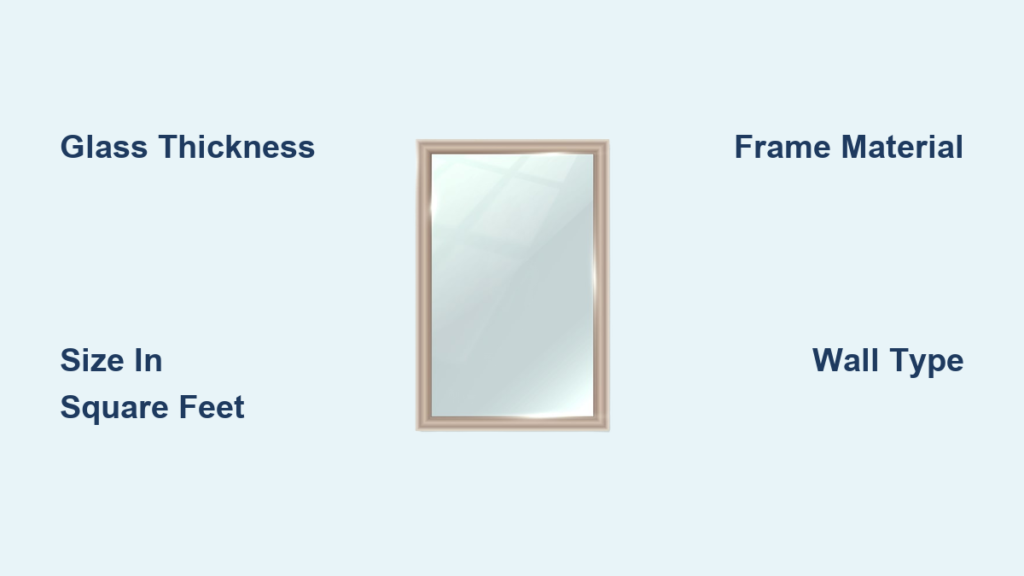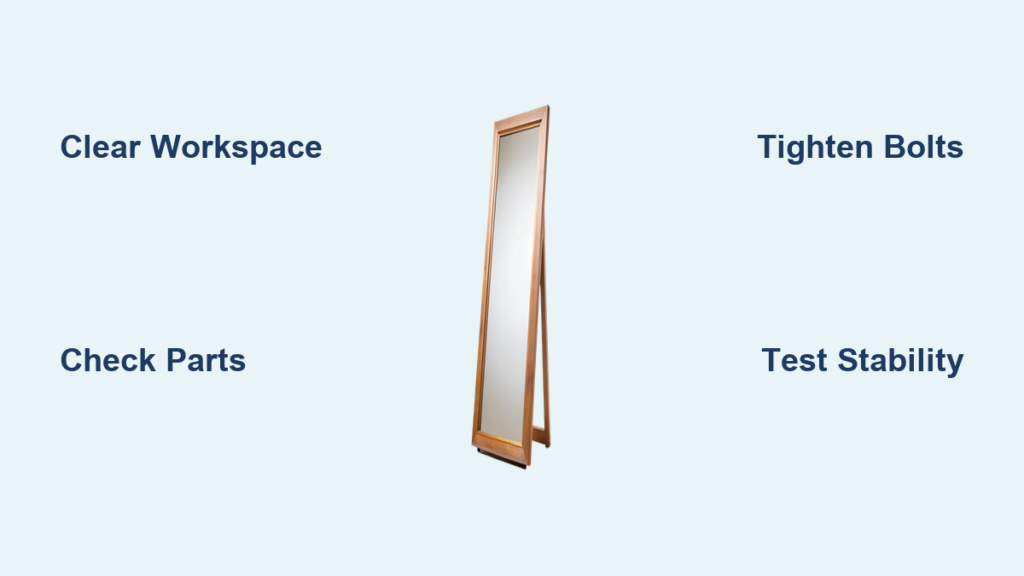
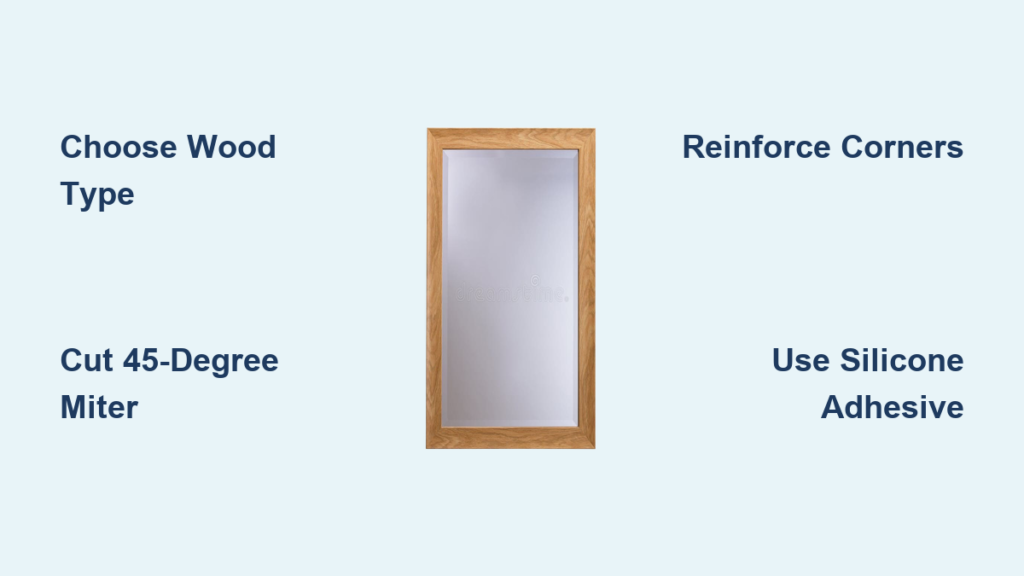
Framing a mirror with wood is one of the most impactful yet affordable DIY upgrades you can make to a room. Whether it’s a plain bathroom mirror that feels outdated or a sleek but impersonal entryway reflector, adding a custom wood frame instantly elevates its presence. The best part? You do not need to replace the mirror. Simply enhance it with basic tools and affordable lumber, and you can create a high-end look for as little as $15 to $40. This guide walks you through every step, from choosing the right wood to hanging your finished masterpiece with confidence.
Choose the Right Wood for Your Frame
Selecting the appropriate wood type sets the foundation for your entire project. The right choice depends on your desired finish, budget, and skill level.
Poplar for Painted Frames
Poplar is ideal if you plan to paint your frame. It is smooth, knot-free, and takes paint evenly, which is especially important for bold colors like black or white. Poplar is also lightweight, making it easier to handle and hang. Always sand it well before painting to ensure a flawless finish.
Pine for Stained or Rustic Looks
Pine boards, such as 1×3 or 1×6, are affordable and widely available. They have visible grain and natural character, making them perfect for stained or distressed farmhouse-style frames. Pick straight, flat boards when shopping. Warped wood will make assembly frustrating and may compromise the final result.
Hardwoods for Premium Finishes
If you are aiming for a luxury look, consider oak, maple, or walnut. These woods are more expensive and require more prep work, including sanding and grain filling, but they deliver unmatched elegance when stained and sealed. The investment pays off in visual impact.
Pro Tip: Always let your wood acclimate to the room for 24 to 48 hours before cutting to prevent warping after assembly.
Cut Frame Pieces Accurately

Precision in cutting determines how professional your finished frame looks. Take time to measure and test-fit before making permanent cuts.
Measure Mirror First
Start by measuring your mirror’s exact width and height. Decide how much of the mirror edge you want the frame to cover, typically 1/4 inch to 1/2 inch overlap. This ensures the mirror stays visible while giving the frame a clean, intentional look.
Cut 45-Degree Miter Joints
Use a miter saw or hand miter box to cut all four frame pieces at 45-degree angles. Cut the top and bottom pieces slightly longer than the mirror width, and the side pieces to fit between them. Dry-fit everything before gluing to check for gaps and make any necessary adjustments.
Try Square Cuts for Modern Style
For a contemporary look, skip the miters and cut square butt joints. These are easier for beginners and can be reinforced with pocket screws or corner braces. This approach creates a bold, geometric aesthetic that works well in modern bathrooms.
Visual Cue: When assembled, the inner opening should match the mirror size precisely with no gaps or overhang.
Build the Frame with Strong Joints
The joinery method you choose affects both the appearance and durability of your frame. Select a method that matches your skill level and tools.
Use Pocket-Hole Joinery
Drill pocket holes in the ends of the top and bottom pieces using a Kreg Jig. Then, clamp the side pieces in place and screw them together. This method hides screws and creates a strong, square frame. It is perfect for solo builders who cannot hold pieces steady while fastening.
Reinforce Miters with Brads or Biscuits
If you are using mitered corners, reinforce them with a brad nailer or biscuit joiner. Glue alone is not enough. Miters can shift under stress, especially with heavier mirrors. A few 1-1/4-inch brad nails or biscuits add stability without compromising the clean look.
Avoid Glue-Only Corners
One common mistake is relying solely on wood glue for miter joints. Over time, especially with heavier mirrors, these can loosen and fail. Always combine glue with mechanical fasteners like brad nails or pocket screws for lasting results.
Finish the Frame Before Assembly
Applying finish before assembly ensures all surfaces get proper coverage. This step also lets you work in a controlled environment away from the mirror.
Sand Smoothly
Sand all pieces with 220-grit paper before finishing. Focus on corners and edges to remove splinters and ensure an even coat. Pay extra attention to any rough spots that would show after mounting.
Apply Stain or Paint
For stain, use Minwax Special Walnut or a similar tone. Wipe on, let sit, then wipe off excess. Apply two coats of semi-gloss polyurethane for durability, especially in humid bathrooms. For paint, Curb Appeal Colonial Black works well, and one coat often covers fully. Use a high-quality brush to avoid streaks.
Pro Tip: Elevate the frame on painter’s pyramids when finishing to prevent sticking and ensure all sides dry evenly.
Attach Mirror to Backing

The backing provides structural support and creates a clean profile. This step is essential for mirrors that will hang on walls.
Cut Plywood Backing
Cut a piece of 1/4-inch or 1/2-inch plywood about 1/2 inch smaller than the outer frame size. This hides the mirror edge and creates a clean profile when viewed from the side. Stain the edges if you want a seamless appearance.
Bond Mirror with Silicone
Apply clear silicone adhesive in a zigzag pattern on the center of the backing. Never use construction adhesive. It can damage the mirror’s reflective coating. Center the mirror, press down, and place weights like books on top. Let cure for 24 hours before moving.
Warning: Full adhesive coverage can trap air and warp the mirror. Use partial application only.
Mount Frame to Mirror and Backing
How you attach the frame depends on whether it sits flush against the mirror or requires spacers to fill a gap.
Flush Frame with Adhesive
If the frame sits flush against the mirror, apply Heavy-Duty Liquid Nails to the back of the frame. Press onto the mirror and backing assembly. Use clamps or weights until fully cured, which takes about 24 hours.
Use Spacers for Recessed Fit
If there is a gap between the frame and mirror, cut 1/4-inch plywood spacers to fill the space. Glue spacers to the backing first. Place the frame on top and weight it. After curing, flip the assembly and screw through the backing into the spacers for permanent hold.
Notch Frame for Mirror Clips
Many bathroom mirrors have metal retaining clips that prevent the frame from lying flat. Addressing these obstructions is crucial for a secure installation.
Identify Obstructions
Examine the mirror to locate all metal clips. These are typically found at the top and sometimes sides. They hold the mirror to the wall but interfere with frame placement.
Cut Relief Notches
Use a Dremel or rotary tool to carve shallow notches in the back of the frame where clips interfere. Test-fit frequently to ensure full contact between the frame and mirror surface. This small modification prevents gaps and ensures secure adhesion.
Builder Insight: One creator noted they had to hold each piece for almost 10 minutes until the glue dried. Use clamps or tape to avoid hand-holding during curing.
Hang with Secure Hardware
Proper hanging hardware ensures your mirror stays mounted safely. Choose a method that matches your mirror’s weight and your wall type.
Install D-Rings
Attach two D-rings to the back of the frame, about one-third from the top. Use screws into wall studs or heavy-duty drywall anchors. This method is simple and reliable for most mirrors weighing under 50 pounds.
Use a French Cleat for Heavy Mirrors
For larger or heavier mirrors, cut a 45-degree bevel on two wood strips, one on the frame and one on the wall. Interlock them for a secure, adjustable hang. Hide the cleat by adding side and bottom cover strips from leftover wood. This approach distributes weight across a wider area.
Level and Mark Carefully
Measure from the bottom of the frame to the cleat or D-ring. Transfer that distance to the wall, marking upward from your desired height. Use a level to ensure straight installation. Take time with this step. A crooked mirror undermines the entire project.
Customize for Your Style
Your frame should reflect your personal taste and complement your existing decor. Consider these popular approaches.
Modern Minimalist Frame
Use square-cut pine or poplar with a neutral paint. Skip caulk for a raw, clean look. Pair with a floating shelf below for added function and visual interest.
Rustic Farmhouse Look
Choose knotty pine, stain lightly, and leave small gaps at corners for character. A rabbet-back frame enhances the handmade feel and adds dimension.
Bold Statement Frame
Paint poplar black or navy for high contrast in a white bathroom. Add a second coat of polyurethane for moisture resistance and lasting vibrancy.
Expert Note: One builder mentioned they actually liked how the frame looked without caulk, so they skipped that step. Perfection is not always the goal. Embrace your style.
Prevent Common Mistakes
Learning what to avoid saves time and frustration. These tips help you sidestep the most frequent errors.
Avoid Warped Wood
Always inspect boards for straightness before purchasing. Kiln-dried wood is less likely to twist or cup over time. Slightly bowed boards can often be forced straight during assembly, but severely warped pieces cause problems.
Do Not Rush the Dry Fit
Assemble the frame without glue first. Check for squareness with a carpenter’s square. Adjust cuts if corners do not meet perfectly. This step prevents wasted materials and frustrating rework.
Skip Construction Adhesive
Construction adhesive can off-gas and damage the mirror’s backing. Stick to clear silicone or Gorilla Glue for safe, long-lasting bonds that will not harm the reflective surface.
Use Clamps During Glue-Up
Without clamps, the frame may shift and create uneven joints. Painter’s tape can help hold pieces temporarily, but clamps ensure full contact and a tight fit.
Save Money with Smart Choices
This project is budget-friendly, but you can reduce costs even further with strategic decisions.
Use Thrifted Mirrors
Check thrift stores or online marketplaces for unframed mirrors. Many are free or under $10. This approach gives you a quality mirror without the premium price.
Repurpose Off-Cuts
Use leftover wood for spacers, cleats, or decorative corner blocks. This reduces waste and cost while giving you matching materials.
Buy Basic Lumber
One-by-three or one-by-six pine is inexpensive and works for most designs. Upgrade to hardwood only if aesthetics demand it. Most projects look equally stunning with quality pine.
Budget Breakdown: Mirror costs $0 to $10, wood runs $10 to $20, adhesives and fasteners are about $10, and finish supplies add $10 to $20. Your total investment lands between $15 and $40.
Maintain and Protect Your Frame
Proper care extends the life of your finished mirror and keeps it looking its best.
Seal for Humidity
In bathrooms, apply two coats of semi-gloss polyurethane to protect against moisture. Reapply every few years if the finish wears. This simple step prevents water damage and keeps paint or stain looking fresh.
Clean Mirror After Hanging
Avoid touching the glass during installation. Clean with a lint-free cloth and glass cleaner once hung. This removes fingerprints and dust accumulated during construction.
Check Hardware Annually
Ensure D-rings or cleats remain tight, especially in high-traffic areas. Screw loosening over time is normal. Annual checks catch problems before they become dangerous.
Frequently Asked Questions About Framing a Mirror with Wood
What type of wood is best for framing a bathroom mirror?
Poplar is the best choice for bathroom mirrors because it takes paint evenly and resists moisture better than pine. Pine works fine if you prefer a stained or rustic look, but apply extra polyurethane coats for protection.
Can I frame a mirror without removing it from the wall?
Yes, you can frame a mirror in place. Measure carefully, cut your frame pieces to size, and attach the frame directly to the mirror using adhesive. Just be sure to notch the frame around any mirror clips that protrude.
Do I need special tools to cut miter joints?
A miter saw provides the most accurate cuts, but a hand miter box works well for beginners. Both tools cut 45-degree angles reliably. The key is measuring twice and making test cuts on scrap wood before cutting your final pieces.
How do I keep the frame from shifting during glue-up?
Use clamps to hold pieces in place while the adhesive cures. If you lack enough clamps, painter’s tape can provide temporary hold. For best results, work on a flat surface and apply even pressure across all joints.
Is it cheaper to buy a framed mirror or build my own?
Building your own frame costs $15 to $40, while store-bought framed mirrors often cost $100 or more. The DIY approach saves money and gives you complete control over style and materials.
Key Takeaways for Framing a Mirror with Wood
Framing a mirror with wood is a simple project with a dramatic payoff. Choosing the right wood, whether poplar for painting or pine for staining, sets the foundation for your design. Accurate cuts and proper joinery ensure the frame holds up over time. Always use appropriate adhesives like clear silicone rather than construction adhesive to protect your mirror. Secure the frame with either D-rings for lighter mirrors or a French cleat for heavier installations. With the right materials, precise cuts, and patient assembly, you can create a custom piece that looks store-bought or better. Whether you are refreshing a rental or upgrading your home, this DIY fix adds elegance, depth, and personality to any room. Now that you know how, grab your miter saw and start building your perfect frame.