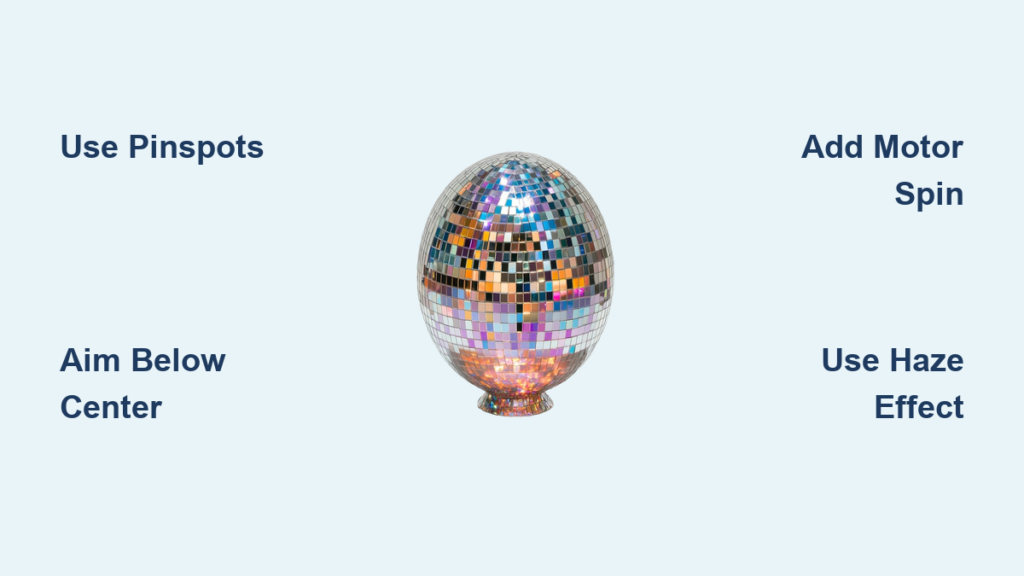
You’ve got your mirror ball ready, but pointing any lamp at it won’t create that legendary disco sparkle. The difference between a dull, washed-out reflection and a stunning display of dancing light dots comes down to one thing: knowing how to light a mirror ball the right way. A mirror ball doesn’t emit light—it reflects it. That means your light source, its position, and your beam focus determine everything.
This guide walks you through the exact techniques professionals use to get maximum sparkle. You’ll learn which lights work best, where to position them, and pro tricks like using haze, color gels, and motors for dynamic effects. Whether you’re setting up a wedding, party, or just want a cool accent in your living room, you’ll walk away knowing exactly how to light a mirror ball like a pro.
Choose the Right Light Source for Sharp Reflections

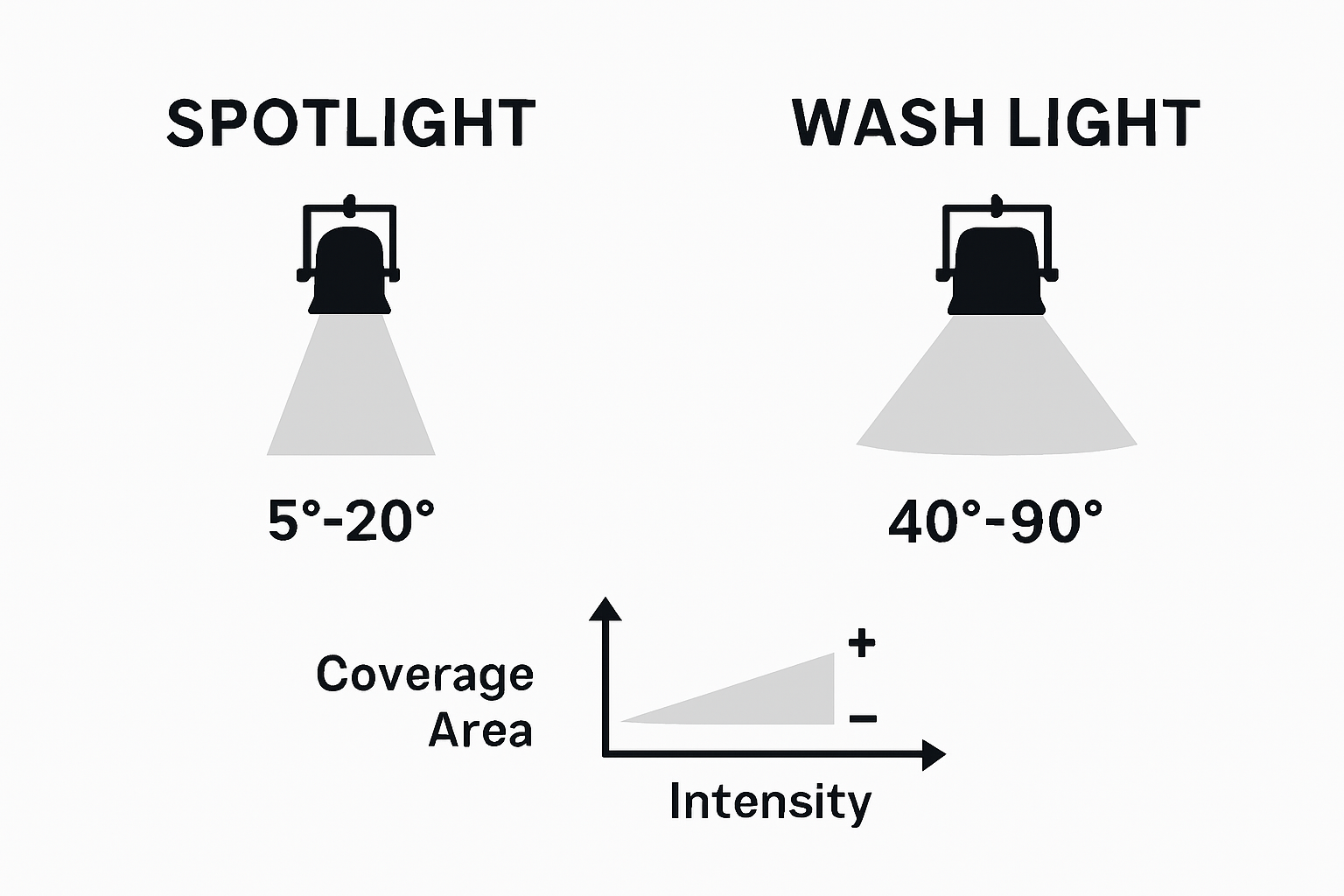
Not all lights create equal reflections with a mirror ball. The best results come from high-intensity, narrow-beam sources that concentrate light on the ball’s surface. Here’s what works and what doesn’t.
Pinspots Deliver the Best Sparkle
Pinspots are the gold standard for mirror ball lighting because they produce a tight 6° to 10° beam that hits the ball with intense focus.
• Ideal bulb: PAR 36 with 4515 lamp (30W halogen)
• Why it works: All energy concentrates on the ball, creating thousands of bright, crisp dots
• Mounting options: Ceiling, truss, lighting stand, or floor-mounted
• Best for: Home parties, dance floors, event rentals
“You need pinspots—that’s how it’s been done since disco was king.”
Even a 30W pinspot outperforms much larger floodlights because focused intensity beats wide dispersion every time.
Watch for Dimmer Compatibility Issues
Many pinspots use iron-cored transformers that require inductive-load dimmers. Standard residential dimmers may flicker or fail to work.
• Older dimmers need 60W minimum load
• Newer models may require 200W minimum
• Fix: Run multiple pinspots on one circuit to meet load requirements
Some modern pinspots (like Chauvet) claim dimmability, but verify compatibility before your event.
Try Portable LED Options for Easy Setup
If you need something compact and flexible, the BOP P10 mini spotlight offers a modern alternative to traditional pinspots.
• Battery-powered: 4500 mAh, 6 to 7 hours runtime
• Magnetic base: Attaches to stands, trusses, or metal beams
• Zoom lens: Adjust beam from 6° narrow to 8° wide
• Color options: Warm white, cool white, and blended presets
Place it on the floor and aim upward for clean, focused reflection patterns. It’s brighter than most 3W pin spots and perfect for mobile DJs, weddings, or pop-up events.
Pro Tip: Use the IR remote to adjust brightness or color from a distance—ideal for hard-to-reach mounts.
Moving Lights Create High-Impact Shows
For large venues or dramatic effects, moving lights like the MAC 2000, 4k xenon, or Source Four with gobo rotator take mirror balls to the next level.
• Benefits: Ultra-bright HID or xenon lamps, color wheels, dot-pattern gobos, rotating heads
• Effect: Dots multiply and fly across the room in constantly shifting patterns
• Best for: Concerts, nightclubs, large weddings
“One of the coolest things I’ve ever seen was a 4′ ball hit by a dozen MAC 2k’s with rotating dot gobos—those dots were flying everywhere.”
Use tight zoom and small dot gobos to multiply reflections. Add DMX control for synchronized color changes and motion.
Avoid PAR Cans for Mirror Ball Lighting
PAR cans like the PAR 38 are designed for flood lighting gardens, not for spotlighting mirror balls.
• Why they fail: Wide beam spread scatters light, low intensity per square inch, most light misses the ball
• Result: Soft, dim, washed-out reflections
“The PAR38 is designed to light up a garden. Light level on any surface it hits is low.”
Workarounds if you must use PARs: Use narrow spot lenses, position as close as possible, add barn doors to narrow the beam, apply color gels for visual interest. But for real impact, invest in true pinspots.
Position Lights Below the Ball’s Midline
Where and how you aim your light makes or breaks the effect. The angle determines where reflections land in your room.
Aim Below the Horizontal Center
To get reflections on the floor and lower walls, aim your spotlight below the horizontal center of the ball.
• Best angle: About 45° from the ball’s surface
• Target zone: Lower third to two-thirds of the ball
• Result: More light scattered downward where people can see it
“Have the lights below the midline—more light will hit the floor.”
Avoid aiming directly at the equator unless you want balanced 360° coverage and have multiple lights to achieve it.
Use One or Two Spotlights
The number depends on ball size and placement.
| Ball Position | Spotlights Needed | Why |
|---|---|---|
| Near a wall | 1 | Illuminates half the ball—enough for partial coverage |
| Center of room | 2 | Opposite angles ensure full 360° reflection |
| Large ball (>24″) | 2 to 3+ | Increases reflection density and brightness |
“One spotlight is fine if the ball is at the side. A center ball needs two.”
Beam Width Must Cover the Ball
Your spotlight’s beam should be wider than the ball’s diameter to fully illuminate the facing hemisphere. A too-narrow beam only hits part of the surface, creating uneven reflections.
Hang the Mirror Ball at the Right Height
Ideal Height: 7 to 8 Feet
• Why: Balances visibility, safety, and reflection spread
• Too high: Reflections get lost on high ceilings
• Too low: Risk of bumping heads, limited wall coverage
Use a ceiling hook, lighting stand, or tree branch (outdoor) to suspend the ball securely.
“A mirror ball doesn’t have to hang from the ceiling. Use a stand if mounting isn’t possible.”
Boost the Effect with Pro Techniques
Add a Motor for Dynamic Rotation
A rotating ball creates sweeping, dynamic reflections that bring the light show to life.
• Motor cost: Under $20
• Speed control: Use a dimmer to adjust rotation speed
• Mounting: Hang from motor hook or ceiling fixture
“We put the motor on a dimmer so we could control the speed.”
Even slow rotation makes the effect feel alive rather than static.
Use Color Gels for Mood and Theme
Color gels (or “doughnuts”) placed in front of your spotlight add instant visual flair.
• Options: Warm white for retro disco, blue or purple for modern club vibes, rotating color wheels for dynamic shifts
• Pro tip: Use two lights with different colors for a blended, evolving look
“I’m a big fan of two lights with color doughnuts—adds instant drama.”
Add Haze to Make Beams Visible
Haze makes light beams visible in mid-air before they hit the ball, adding depth and drama.
• Effect: Creates visible “light rays” floating through the room
• Best for: Dance floors, dramatic entrances, photo moments
• Tip: Even light mist helps—you don’t need a full fog blast
“Picture 12 pinspots on the floor, angled up 45°, catching the haze—pure magic.”
Without haze, beams are invisible until they reflect, diminishing the “wow” factor.
Use Natural Light During the Day
Hang Near a Window for Free Sparkle
Let sunlight do the work during daytime hours.
• Best time: Mid-morning to early afternoon
• Ideal rooms: Living rooms, sunrooms, studios with large windows
• No power needed: Just position the ball in direct sun
As the sun moves, reflections shift naturally—creating an ever-changing light show at no cost.
Try Outdoor Daytime Use
Hang mini disco balls in trees, pergolas, or patio fixtures.
• Effect: Sparkling reflections across decks, gardens, or wedding lawns
• Perfect for: Garden parties, outdoor receptions, casual summer gatherings
No electricity, no setup—just sunlight and sparkle.
Create Stunning Centerpieces and Decor
Make a Disco Ball Centerpiece
Turn a small ball (6″ to 8″) into a table centerpiece that doubles as lighting.
• Materials: Mirrored tray (doubles reflections), LED tealights or candles, faux flowers or greenery, elegant fabric
• Lighting: Small LED spotlight or battery candles
• Best for: Wedding tables, dinner parties, special occasions
“Turns your ball into a show-stopping focal point.”
Layer Lighting for Immersive Effects
Combine rotating mirror ball, colored spotlights, haze machine, and music-synced lights for a full sensory experience.
“This combination delivers a vibrant, immersive experience for any party.”
Match the Ball to Your Event Theme
| Event | Ball Color | Lighting Tip |
|---|---|---|
| Christmas | Silver, gold, red | Use warm white or red/blue gels |
| Halloween | Black, purple, glow-in-dark | Pair with purple LED and spooky sounds |
| New Year’s Eve | Full-sized, mirrored | Add motor, haze, countdown lights |
| 70s Party | Large silver ball | Dual warm white pinspots, slow rotation |
Troubleshoot Common Mirror Ball Problems
Weak or Uneven Reflections
• Cause: Single light in center position
• Fix: Add second spotlight on opposite side for full coverage
No Visible Beams
• Cause: Too much ambient light or no haze
• Fix: Dim room lights, add fog machine for atmospheric depth
Ball Not Spinning
• Cause: Motor unplugged, jammed, or unbalanced
• Fix: Check power connection, ensure even weight distribution, clean motor
Reflections Too Dim
• Cause: Light too weak or too far from ball
• Fix: Move light closer or upgrade to brighter source like pinspots
Pattern Not Spreading
• Cause: Wrong angle or beam width
• Fix: Adjust to 45° angle, aim below center, ensure beam covers entire ball
Real-World Setup Examples
| Scenario | Recommended Setup |
|---|---|
| Living Room Party | 12″ ball, dual pinspots, warm white, optional haze |
| Wedding Reception | Center ball, two colored spotlights, motor, slow speed |
| Garden Day Event | Mini balls in trees, natural sunlight, no power |
| Bedroom Accent | Small ball near window or single LED spotlight |
| Bar/Restaurant | Permanent mount, motor, DMX-controlled color shifts |
| Dinner Table Decor | 6″ ball on mirrored tray, LED tealights, floral ring |
Frequently Asked Questions About Lighting Mirror Balls
What is the best light for a mirror ball?
Pinspots with PAR 36 bulbs (30W halogen) are the best lights for mirror balls. They produce a tight 6° to 10° beam that concentrates all light on the ball’s surface, creating sharp, bright reflections. The focused intensity outperforms wider floodlights even at much lower wattages.
How do I aim a spotlight at a mirror ball?
Aim your spotlight below the horizontal midline of the ball at approximately 45°. This angle directs more reflections downward onto the floor and lower walls where people can see them. Avoid aiming directly at the equator unless you have multiple lights for balanced 360° coverage.
Can I use a regular lamp for my mirror ball?
Regular lamps and PAR cans don’t work well because they produce wide, diffuse beams that scatter light away from the ball. The result is weak, washed-out reflections. For decent results, use narrow-beam options like pinspots, focused LED spotlights, or battery-powered alternatives like the BOP P10.
How high should I hang my mirror ball?
Hang mirror balls at 7 to 8 feet high for optimal coverage and safety. This height ensures reflections spread across walls and ceilings rather than getting lost on high ceilings, while keeping the ball out of reach of dancing guests.
Do mirror balls need to rotate to look good?
Mirror balls look better when rotating. A slow, steady spin creates dynamic sweeping reflections that move across the room, making the light show feel alive. Add a motor (under $20) and connect it to a dimmer for speed control.
Key Takeaways for Lighting Your Mirror Ball
Lighting a mirror ball successfully comes down to three core principles: use focused, high-intensity light sources like pinspots rather than wide floodlights; position those lights below the ball’s midline at about 45° to direct reflections downward where people can see them; and enhance the effect with rotation, haze, and color gels for dramatic flair. The right setup transforms a simple party prop into a stunning lighting centerpiece that creates thousands of dancing light dots across your venue.
Start with at least one pinspot aimed below the center of the ball, add a motor for rotation, and test your angles before the event. For center-placed balls, use two spotlights on opposite sides. If you’re working with daylight or tight budgets, hang the ball near a window to use free sunlight. Now you know exactly how to light a mirror ball for maximum impact—go set up your sparkle.