Choosing the right mirror goes beyond simply finding a reflective surface. It is about enhancing both function and style in your space. A well-chosen mirror can brighten a dim hallway, streamline your morning routine, or serve as a stunning focal point in your living room. Whether you are upgrading a bathroom, dressing area, or entryway, the key is balancing size, shape, frame, lighting, durability, and room-specific needs. This guide breaks down everything you need to know so you can make a confident, stylish, and practical choice.
Size: Match Mirror to Space and Furniture
The right size ensures your mirror feels intentional, not overwhelming or underwhelming. Proper proportions create visual harmony while ensuring the mirror serves its functional purpose.
Width Proportions by Room
A mirror should visually balance the furniture it sits above. For most spaces, aim for sixty to eighty percent of the furniture width, with two-thirds to three-quarters being ideal. Over a console table or mantel, this creates harmony without crowding.
In bathrooms, however, go slightly narrower. Four to eight inches narrower than the vanity prevents a bulky look and allows space for sconces or decor beside the mirror.
For double vanities, consider two separate mirrors aligned with each sink for symmetry and a traditional feel. Alternatively, one continuous mirror spanning both sinks delivers a sleek, modern aesthetic.
Avoid small mirrors on large walls because they look lost. Instead, use a single large mirror of at least twenty-five to thirty-one inches or a grouped arrangement for impact.
Height and Placement Guidelines
Hang the center of the mirror between fifty-seven and sixty-five inches from the floor, adjusting based on the tallest user. The goal is to capture the full face and upper body without tilting.
In bathrooms, place the bottom of the mirror five to ten inches above the sink rim. Ensure the top extends above the tallest users eye level. Provide at least twelve inches of vertical reflection above and below eye level for full grooming visibility.
When hanging over furniture, leave ten to twelve inches between the top of the piece and the mirrors bottom for visual breathing room.
Shape: Influence Style and Space Perception
Your mirrors shape sets the tone for the entire room. The right shape can soften angular spaces, add architectural interest, or create visual contrast.
Rectangular and Square Mirrors
Rectangular mirrors are versatile and timeless, fitting seamlessly into bathrooms, hallways, and above mantels. They align well with modern, traditional, and transitional styles.
Square mirrors add geometric balance. They are ideal for minimalist spaces or as part of a gallery wall, enhancing symmetry and working well with art.
Round and Oval Mirrors
Round mirrors soften angular rooms and add whimsy. They are perfect for modern bathrooms or entryways where they contrast beautifully with rectangular furniture.
Oval mirrors elongate vertically, making ceilings appear higher. They are great for narrow spaces like powder rooms or dressing areas, bringing elegance and visual lift.
Arched, Geometric, and Abstract Shapes
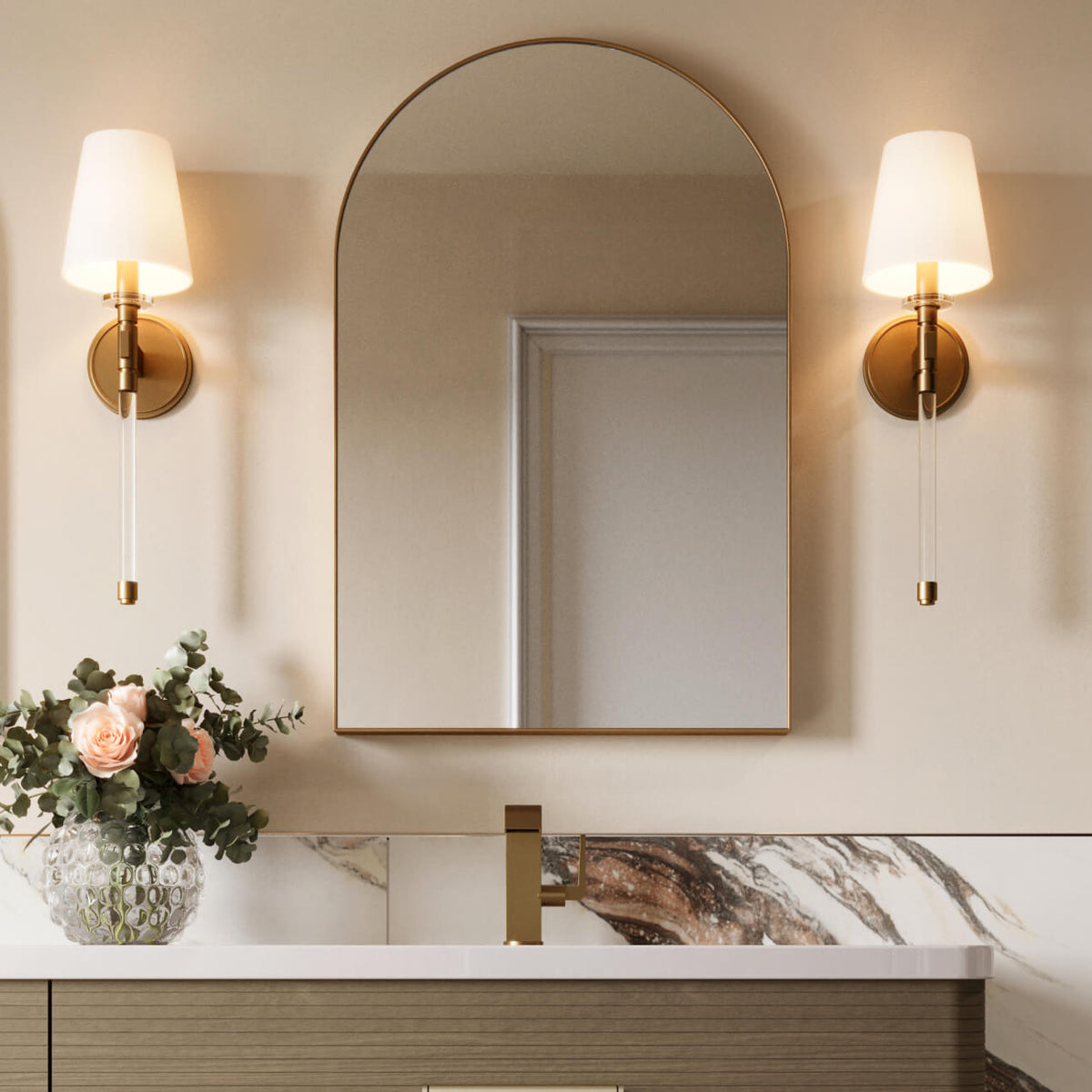
Arched mirrors blend old-world charm with contemporary flair. They add architectural interest in bedrooms, foyers, or bathrooms with subway tile.
Geometric mirrors like hexagon or diamond shapes make bold design statements. They work best in living rooms or reading nooks with natural light.
Asymmetrical or abstract mirrors serve as sculptural art. Use them on accent walls to reflect personality and creativity.
Framed vs. Frameless: Style and Practicality
The frame or lack thereof defines your mirrors character and maintenance needs. Each option offers distinct advantages.
Framed Mirrors: Warmth and Detail
Framed mirrors add texture, warmth, and style. They are ideal for traditional, rustic, coastal, or eclectic interiors.
Frame materials to consider include wood for natural warmth perfect for farmhouse or vintage styles. Metal options like brass, chrome, and nickel offer sleek durability suited for modern or industrial spaces. Rattan and wicker provide boho or coastal vibes, while plastic and resin are lightweight and affordable.
Frames also hide wall imperfections and anchor the mirror in your decor.
Frameless Mirrors: Clean and Modern
Frameless mirrors offer a minimalist, spa-like look. They are easy to clean with no dust traps and ideal for modern bathrooms or high-moisture areas.
Edge options include polished edge for smooth and reflective finish, beveled edge for angled cuts that refract light adding elegance and depth, and frosted border for subtle contrast often used with backlighting.
Match Mirror to Room Function
Each room demands different mirror features. Selecting the right type ensures the mirror serves its intended purpose effectively.
Bathroom Mirrors: Function First

Bathrooms require moisture resistance, grooming support, and lighting integration.
Popular bathroom mirror types include vanity mirrors for standard size and simple framing, large span mirrors covering double sinks and opening up space, mirrors with shelves adding open storage for small bathrooms, lighted mirrors with integrated LEDs eliminating shadows, medicine cabinets combining reflection with concealed storage, and smart mirrors offering defogging, Bluetooth, USB charging, and app control.
Must-have bathroom features include plated not painted surface to resist steam corrosion, shatterproof or tempered glass for safety, moisture-resistant backing to prevent warping, and anti-fog technology for post-shower clarity.
Bedroom Mirrors: Practical and Calming
Bedroom mirrors should focus on full-length visibility and serene design.
Options include full-length mirrors at least sixty-eight to seventy-two inches tall to reflect the full body, cheval mirrors that are freestanding and tiltable in vintage or modern styles, jewelry armoires combining full-length reflection with built-in accessory storage, and dresser mirrors for small framed charm.
Avoid direct nighttime glare from windows or lamps by carefully considering placement.
Living Room Mirrors: Create a Focal Point
In living rooms, use mirrors to amplify light, enhance depth, and anchor design.
Hang a large mirror above a sofa or mantel. Pair with art or greenery to reflect visual interest. Choose curved or organic shapes to soften architectural lines. Consider tinted glass like bronze for warmth.
Entryway and Hallway Mirrors: Welcome and Expand
In tight corridors, mirrors create openness and reflect light.
Use tall, narrow mirrors to lengthen hallways. Install oversized mirrors near entries for a grand welcome. Choose durable frames because high traffic means more bumps.
Lighting: Eliminate Shadows and Enhance Clarity
Proper lighting is essential for mirrors, especially in bathrooms where grooming tasks require clear visibility.
Integrated vs. External Lighting
Integrated lighted mirrors offer built-in LEDs with shadow-free, sleek illumination. They are best for modern grooming but harder to repair.
External lighting from sconces or overhead fixtures is mounted beside or above the mirror. This option is easier to customize but may look cluttered.
Best Lighting Placement
Sconces at eye level, one on each side of the mirror, eliminate facial shadows. Avoid ceiling-only lighting because it casts unflattering shadows under the eyes and chin. Place the mirror opposite a window to maximize natural light.
Light Color Temperature
The Kelvin scale determines light quality. Two thousand seven hundred to three thousand K provides warm, cozy light best for relaxing spaces. Three thousand five hundred to four thousand K offers natural daylight that flatters skin, making it best for bathrooms. Five thousand to six thousand five hundred K delivers cool, clinical light suitable for task areas only.
Four thousand K is the sweet spot, bright enough for clarity and warm enough for flattery.
Quality: Avoid Warped, Thin, or Flimsy Mirrors
Do not sacrifice quality for price. Cheap mirrors warp and distort over time, creating an unflattering reflection.
Glass Thickness Matters
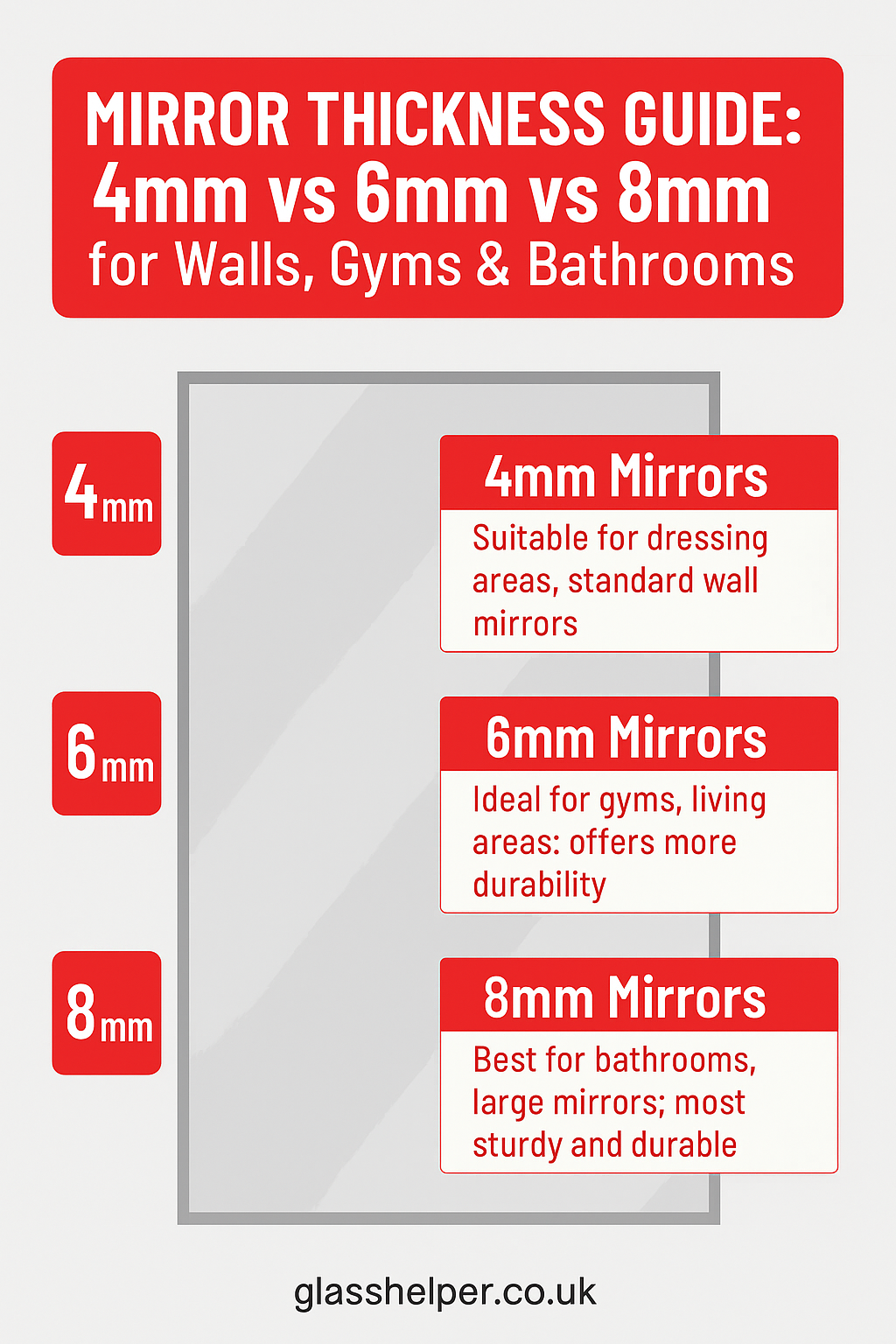
Three-eighths inch is the minimum for large or full-length mirrors. One-quarter inch is acceptable for small mirrors. Anything thinner than one-quarter inch is prone to warping and creates a fun-house mirror effect.
Backing and Mounting Strength
High-quality mirrors use wood or plywood backing for rigidity. Low-end mirrors use paper or cardboard that bends over time.
A red flag indicates low quality if you can poke the back and feel the glass through it.
Test Mirror Quality Before Buying
Use the ruler test by holding a metal ruler perpendicular to the mirror. If the reflected edge curves, the glass is warped.
Use the three hundred sixty walk test by walking in a circle around the mirror. If your reflection distorts from the side, skip it.
Use the visual line check by looking at a straight edge like a door frame or ceiling line in the mirror. Wavy lines mean poor quality.
Storage and Smart Features
In small spaces, mirrors can do more than reflect. Modern options combine functionality with reflection.
Storage Solutions
Recessed medicine cabinets mount flush to hide clutter. Surface-mounted cabinets offer easy DIY installation. Mirrors with shelves display perfumes, candles, or plants. Mirrors with drawers keep toiletries hidden and organized.
High-Tech Upgrades
Anti-fog coating or heated pads keep mirrors clear in steamy bathrooms. Magnifying panels provide five to ten times zoom for shaving or skincare. USB ports and outlets charge devices or electric razors. Bluetooth speakers let you listen to music while getting ready.
Installation: Hang It Right
Secure mounting prevents accidents and ensures longevity. Proper installation is crucial for safety and aesthetics.
Tools You Will Need
Gather a measuring tape, level, drill and screws, wall anchors, painter is tape, and a diamond drill bit for tile.
Step-by-Step Hanging Process
Mark the height at fifty-seven to sixty inches center for eye level. Use a level to align brackets. Drill pilot holes and insert anchors for heavy mirrors. Mount securely and hang. Double-check stability.
For tile, use a diamond drill bit to avoid cracking.
Hire a professional for oversized or heavy mirrors, recessed installations requiring wall modification, and mirrors with electrical wiring for lighting or defoggers.
Maintenance: Keep It Clear and Clean
A simple routine preserves clarity and prevents damage. Regular care extends the life of your mirror.
Cleaning Routine
Use equal parts white vinegar and water as a cleaning solution. Use microfiber cloth, never paper towels. Wipe in circles then buff dry. Clean weekly to prevent buildup.
Prevent Fog and Moisture
Apply shaving cream and wipe off to leave a fog-resistant film. Wipe mirror edges after showers, especially frameless models. Check backing regularly for peeling or corrosion.
Mirror Tiers: Good, Better, Best
Choose based on budget and long-term value. Understanding the tier system helps make an informed decision.
The good tier includes pre-made frameless mirrors in standard sizes. This is best for rentals or budget updates.
The better tier offers framed mirrors with limited finishes and some design options. This suits homeowners wanting style without full customization.
The best tier provides fully custom mirrors with lighting, storage, and tech features. This is ideal for luxury remodels and bespoke spaces.
Key Takeaways for Choosing the Perfect Mirror
Choosing a mirror requires balancing multiple factors. Size should be two-thirds to three-quarters of furniture width, with four to eight inches narrower in bathrooms. Shape should contrast with room lines for visual interest. Frame choice depends on your design style, with wood for warmth and metal for modern appeal.
Lighting is critical, with four thousand K being ideal for bathrooms. Always test for quality by checking glass thickness and warp resistance. Match mirror features to room function, ensuring bathroom mirrors are bath-rated with moisture resistance.
Frequently Asked Questions About Choosing a Mirror
What size mirror should I choose for my bathroom?
Your bathroom mirror should be four to eight inches narrower than your vanity. The bottom should sit five to ten inches above the sink rim, with at least twelve inches of mirror above and below eye level for full grooming visibility.
How do I know if a mirror is high quality?
Check glass thickness, which should be at least three-eighths inch for large mirrors. Test for warping using the ruler test or by walking around the mirror. Quality mirrors have wood or plywood backing, not paper or cardboard.
What is the best lighting color temperature for bathroom mirrors?
Four thousand K is ideal for bathroom mirrors. It provides bright enough light for clarity while being warm enough to flatter skin tone. Avoid cooler temperatures above five thousand K as they can appear harsh.
Should I choose a framed or frameless mirror?
Choose framed mirrors for traditional, rustic, or coastal styles where warmth and texture are desired. Choose frameless mirrors for modern, minimalist, or spa-like bathrooms where clean lines are preferred.
How do I prevent my bathroom mirror from fogging?
Apply a thin layer of shaving cream and wipe it off to create a fog-resistant film. Alternatively, purchase a mirror with built-in anti-fog technology or heated defogger element.
Can I install a mirror myself, or do I need a professional?
You can install standard mirrors yourself with basic tools. Hire a professional for oversized or heavy mirrors, recessed installations, or any mirror with electrical components like lighting or defoggers.