Is your sliding mirror closet door sticking, scraping, or refusing to glide smoothly? You’re not alone. Millions of homeowners face issues with aging or poorly maintained sliding mirror doors, especially in older homes. The good news: most problems can be fixed in under an hour with basic tools and a few simple adjustments. Whether your door drags on the floor, jumps off track, or makes a grinding noise, this guide shows you exactly how to diagnose and repair it step by step.
In this article, you’ll learn how to adjust rollers, reattach separated frames, replace worn wheels, clean and lubricate tracks, and keep your doors running like new. We’ll cover common problems, root causes, repair procedures, and when it’s time to consider replacement. By the end, you’ll have the knowledge to restore your sliding mirror doors to smooth, quiet operation.
Diagnose the Problem First
Before grabbing tools, identify what’s wrong. Sliding mirror doors rely on a precise balance between rollers, tracks, and frame integrity. Misdiagnosis leads to wasted effort and frustration.
Common Symptoms and Causes
Watch for these telltale signs to pinpoint the issue:
• Sticking or jerky movement: usually caused by debris in the track or worn rollers
• Bottom scraping the floor: the door is too low, adjust top rollers upward
• Crooked appearance: one roller sits lower than the other
• Must lift to slide: rollers aren’t bearing the weight, likely loose or disengaged
• Door came off track: especially common with inner doors in bypass systems
• Loud grinding or squeaking: dry, damaged, or failing rollers
• Visible gap at bottom: should be 1/8″ to 1/4″, anything larger means misalignment
Pro Tip: Top-hung systems carry the door’s weight on upper rollers, not the floor. The bottom only guides side-to-side motion. Never assume the problem is in the bottom track.
Adjust Sliding Door Height
If your door drags or sticks, roller adjustment is often the first and simplest fix. Most issues stem from incorrect roller height.
Locate the Adjustment Screws
Find the adjustment mechanism on your door:
• Located on the back top edge of the door, near each roller housing
• Usually a hex key (Allen wrench) or flathead screw
• Two screws total, one for each roller
Turn to Raise or Lower
Make precise adjustments with these guidelines:
• Clockwise: raises the roller, which lifts the door
• Counterclockwise: lowers the roller, which drops the door
• Adjust both sides evenly to keep the door level
• Make small adjustments, about 1/4 turn at a time
Test and Re-Tighten
After any adjustment, verify and secure your work:
• Slide the door open and closed several times
• Apply slight downward pressure to ensure rollers stay engaged
• Tighten the adjustment screw fully to lock the position
• Loose screws shift over time, undoing your fix
Visual Cue: When properly adjusted, the door should glide smoothly with one finger and maintain a consistent gap above the floor.
Reinstall a Door That Came Off Track
Doors pop off track due to impact, misalignment, or worn rollers. Getting them back in takes the right technique.
Remove the Outer Door First
In bypass systems, access requires sequence:
• Remove the outer door first to gain access to the inner one
• Lift the door upward, then swing the bottom out
• Set aside on a soft surface to protect the mirror
Reinsert the Inner Door
Follow this sequence for reinstallation:
• Lift the inner door and align the top rollers with the upper track
• Gently lower until rollers click into place
• Tilt the bottom inward and test the slide
• If access is tight, remove both doors and reinstall in reverse order
Expert Note: Crawling into the closet may be necessary. Many users miss that the inner door is off track until they look from inside.
Replace Worn or Damaged Rollers
Rollers wear out over time, especially in doors over 10 years old. Replacing them restores smooth operation.
Remove the Door Safely
Follow proper removal procedure:
• Lift and tilt the bottom outward
• Lower carefully, get help for heavy doors
• Lay on carpet or foam to protect the mirror
• Place on a soft, stable work surface
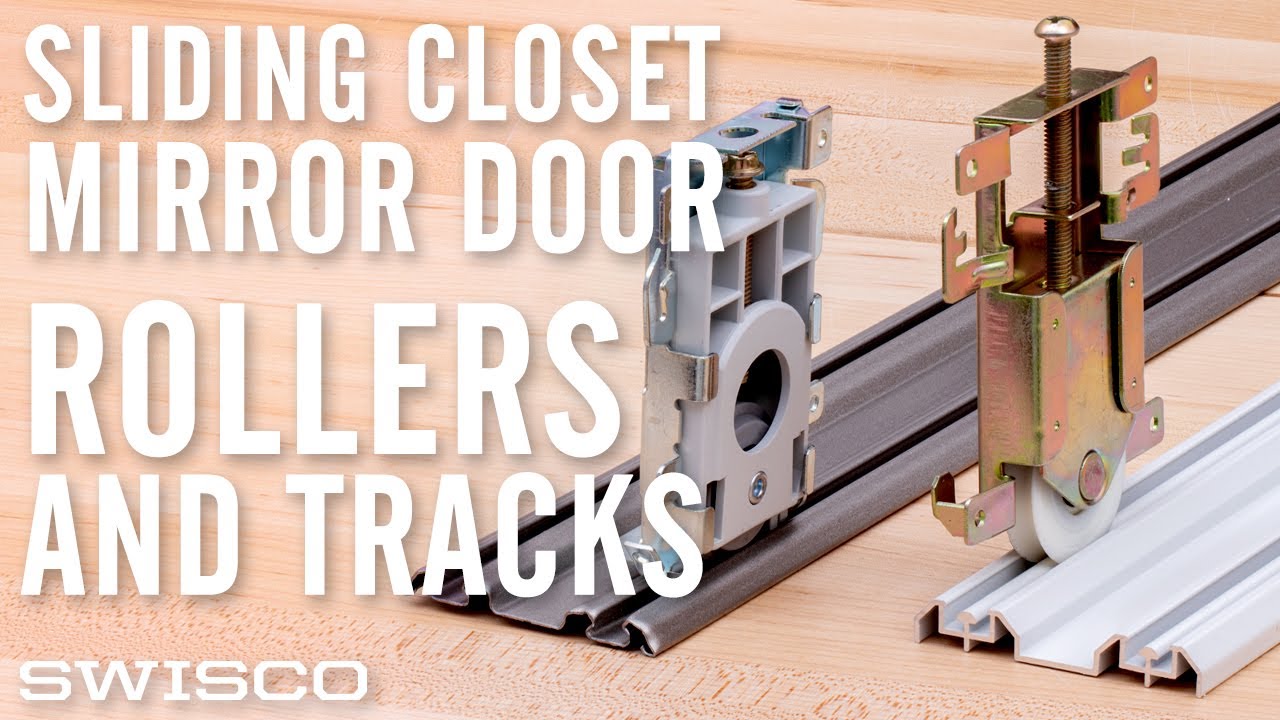
Identify Roller Type
Find the right replacement:
• Check at Home Depot, Home Hardware, or online retailers
• Four to five common designs exist
• Match size, shape, and mounting style exactly
• Take the old roller with you if possible for comparison
Install New Rollers
Secure new components properly:
• Slide new rollers into the channel at the top of the door
• Use painter’s tape to hold them in place during reinstallation
• Avoid oil-based lubricants, they attract dust and create buildup
• Expect some resistance if old rollers were worn
Reinstall and Adjust
Complete the process:
• Align rollers with the top track
• Lower the door gently
• Remove tape after installation
• Adjust height and test movement
• Verify 1/8″ to 1/4″ gap above floor
Best Practice: Replace all four rollers even if only one looks bad. This ensures even wear and smooth operation.
Fix a Separated Aluminum Frame

Forced movement often pulls the frame away from the mirror. This repair requires disassembly.
Remove the Door
Start with safe removal:
• Lift and tilt as usual
• Work on a soft, protected surface
• Place door flat for frame work
Disassemble the Frame
Take apart the affected section:
• Remove screws connecting the side stile to top and bottom rails
• Use a screwdriver or hex key as needed
• Gently slide the aluminum frame off the glass edge
• Work parallel to the glass to avoid damage
Reseat the Rubber Gasket
Restore the secure connection:
• Remove the U-shaped rubber cradle (gasket) from the frame
• Stretch and refit it around the mirror edge
• The bulbous side must click into the frame’s internal groove
• Ensure it securely cradles the glass
Reattach the Frame
Finish the repair:
• Slide the frame back over the gasket-covered glass edge
• Reconnect to rails and tighten screws
• Don’t over-tighten, which could crack the glass
• Reinstall door and test
Warning: If the mirror is cracked or chipped, do not repair. Replace the entire panel. Safety is paramount.
Clean and Lubricate the Tracks
Dirt and grime cause approximately 60% of sticking issues. Regular cleaning prevents most problems.
Clear Debris from Tracks
Remove buildup thoroughly:
• Use a vacuum nozzle or compressed air
• For stubborn buildup, gently scrape with a utility knife
• Wipe with a dry microfiber cloth
• Clean both top and bottom tracks
Apply Silicone Lubricant
Protect moving parts:
• Spray silicone-based lubricant into tracks (not WD-40)
• Work the door back and forth to distribute
• Wipe excess to prevent buildup
• Apply every 6-12 months for maintenance
Avoid oil-based lubes: they attract dust and create a sticky mess over time.
Fix a Door That Must Be Lifted to Slide
This symptom means rollers aren’t supporting the door’s weight. The fix requires checking engagement and hardware.
Check Roller Engagement
Verify proper seating:
• Are rollers fully seated in the top track?
• Do they spin freely when the door moves?
• Lift slightly and观察 if roller sits flush in track
Tighten Mounting Screws
Secure all hardware:
• Loose brackets cause sagging and misalignment
• Use a screwdriver or wrench to tighten all roller hardware
• Check adjustment screws as well
• This resolves the issue in most cases
Reposition the Bracket
If tightening fails, try repositioning:
• Drill new holes lower on the door
• Reattach the roller bracket slightly lower
• This improves alignment when original installation was off
• One homeowner fixed a stubborn door this way
User Experience: Tightening with temporary support initially helped, but repositioning the bracket was the final solution.
When to Replace Instead of Repair
Some issues aren’t worth fixing. Know when to cut losses and get a new door.
Replace If These Conditions Exist
Consider replacement when:
• Mirror is cracked, chipped, or shattered
• Frame is bent or broken
• Cost of parts and time exceeds a new door
• Door is over 20 years old with obsolete hardware
• Multiple major issues exist simultaneously
Measure for Replacement
Get accurate dimensions:
• Height: top to bottom of panel
• Width: measure at top, middle, and bottom (account for warping)
• Thickness: of the entire assembly
• Note special features: beveled edges, tinting, frame color
Pro Tip: Bring measurements and a photo to improve match accuracy when shopping.
Where to Buy Replacements
Find the right source:
• Home Depot: pre-hung doors and custom mirrors
• Home Hardware: replacement panels and rollers
• Habitat ReStore: affordable used or surplus doors
• Glass shops: custom panels with safety backing
• Online: Amazon, Wayfair (search by exact dimensions)
Prevent Future Problems
Regular maintenance keeps doors working smoothly for years. A few minutes saves hours of repairs.
Monthly Track Cleaning
Establish a routine:
• Wipe tracks with a dry microfiber cloth
• Vacuum debris every few months
• Check for obstructions in bottom guide
• Address small issues before they grow
Lubricate Every 6-12 Months
Protect moving components:
• Use silicone spray on rollers and tracks
• Avoid oil-based products
• Apply lightly and wipe excess
• This prevents squeaking and sticking
Inspect Hardware Biannually
Check for wear:
• Look for loose screws
• Notice worn or wobbly rollers
• Check alignment within tracks
• Tighten or replace as needed
Never Force the Door
Protect your investment:
• If it sticks, stop and investigate
• Forcing causes frame separation and roller damage
• Identify the cause before applying pressure
• Prevention costs less than repairs
Service Recommendation: For cracked mirrors or complex installations, call Glass Doctor or a local glass specialist. They offer on-site assessment, professional installation, and cleanup.
Safety First
Mirrored doors are heavy and fragile. Protect yourself throughout any repair.
Wear Protective Gear
Essential equipment includes:
• Cut-resistant gloves
• Safety glasses
• Closed-toe shoes
Work on a Soft Surface
Prevent damage:
• Use carpet, foam, or moving blankets
• Never lay glass directly on hard surfaces
• Support the door fully during handling
Get Help for Heavy Doors
Two people make it safer:
• Large mirror panels weigh over 100 pounds
• Team handling prevents drops and injury
• Don’t attempt solo removal of heavy doors
Dispose of Broken Glass Safely
Handle with care:
• Wrap in cardboard or paper
• Label clearly as broken glass
• Check local disposal regulations
• Consider professional pickup
Final Checks: Is Your Door Fixed?
After any repair, verify performance against these standards:
• Glides smoothly with one finger
• Operates quietly with no grinding or squeaking
• Stays level and aligned throughout travel
• Maintains 1/8″ to 1/4″ gap above the floor
• Stays on track during normal use
Success Metric: The door moves smoothly, quietly, and effortlessly, restoring it to like-new condition.
Frequently Asked Questions About Sliding Mirror Doors
Why does my sliding mirror door stick or drag?
Sticking usually comes from debris in the track, worn rollers, or misalignment. Clean the tracks first, then check roller condition. Most sticking issues resolve with track cleaning and roller replacement.
How do I adjust the height of my sliding mirror door?
Locate the adjustment screw on the back top edge of the door, near the roller housing. Turn clockwise to raise the door, counterclockwise to lower it. Adjust both sides evenly to keep the door level.
Can I replace just one roller, or should I replace all four?
Replace all four rollers even if only one appears damaged. This ensures even wear and prevents the new roller from bearing unequal load. It’s a small investment that extends overall door life.
What causes a sliding mirror door to come off track?
Doors come off track from impact, misalignment, or worn rollers that no longer engage properly. Reinstall by lifting the door and lowering the rollers back into the top track. Check roller condition to prevent recurrence.
When should I replace my sliding mirror door instead of repairing it?
Replace if the mirror is cracked, the frame is bent, repair costs approach replacement cost, or the door is over 20 years old with obsolete hardware. Safety-backed mirrors are worth considering for long-term durability.
How often should I lubricate sliding door tracks?
Apply silicone-based lubricant every 6-12 months. Avoid oil-based products as they attract dust and create buildup. Regular lubrication prevents squeaking and keeps operation smooth.
Key Takeaways for Fixing Sliding Mirror Doors
Most sliding mirror door issues stem from simple causes: dirty tracks, loose hardware, or worn rollers. With this guide, you can fix approximately 90% of problems yourself, saving time and money. Always diagnose the problem first, then address the root cause rather than just symptoms.
Regular maintenance prevents most issues. Clean tracks monthly, lubricate twice yearly, and inspect hardware bi-annually. Replace all rollers at once for balanced performance, and never force a stuck door. When in doubt, take photos, measure carefully, and consult a hardware expert.
For cracked mirrors or major frame damage, replacement is safer and often more cost-effective than repair. Consider safety-backed mirror glass for reduced shattering risk. Your sliding mirror doors can provide decades of reliable service with proper care and timely repairs.