
Foggy glass can ruin the look of your favorite wine glasses, bathroom mirrors, or double-pane windows. The cloudiness often signals hard water buildup, but sometimes it points to permanent etching that no cleaner can fix. Knowing the difference before you start scrubbing saves time and prevents accidental damage to delicate pieces.
This guide covers everything you need to know about how to clean foggy glass safely and effectively. You’ll learn how to diagnose the cause, which solutions actually work, step-by-step cleaning methods for different glass types, and proven ways to prevent cloudiness from coming back.
Identify the Cause of Foggy Glass
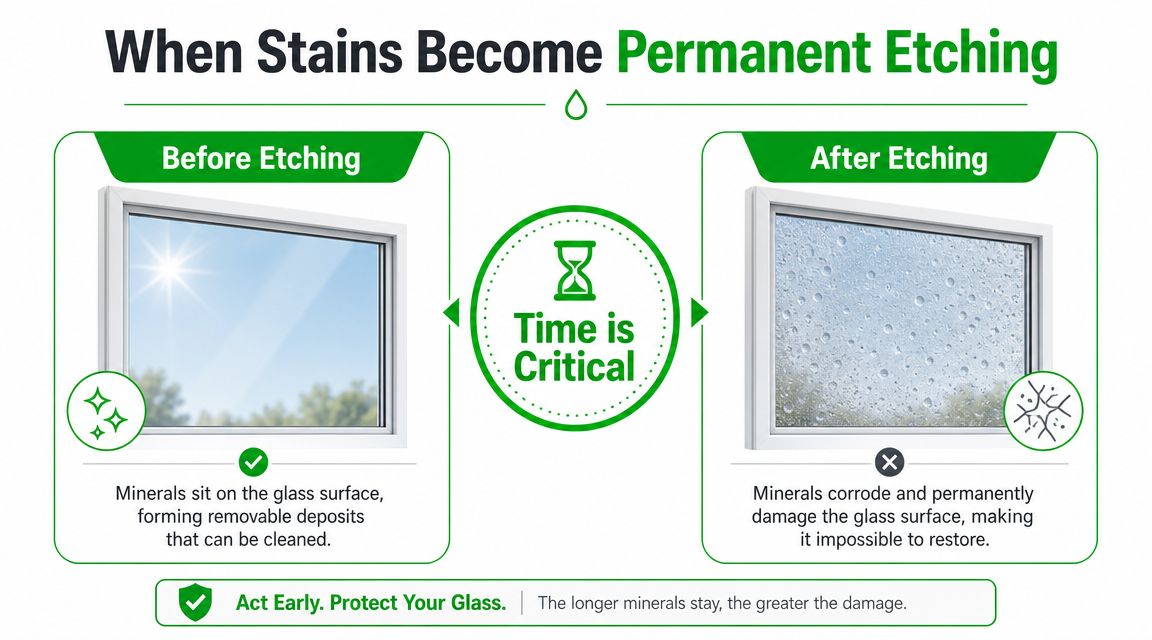
Diagnosing the type of cloudiness is the critical first step. The wrong treatment can worsen the problem or damage the glass permanently.
Test for Hard Water Buildup
Hard water leaves calcium and magnesium deposits that create a white, chalky film. This type of cloudiness feels slightly rough and appears uniformly across the surface. It’s especially common in areas with untreated tap water and frequently affects glasses washed in dishwashers.
To confirm, wipe the glass with a vinegar-soaked cloth. If the fog clears instantly, you’re dealing with mineral buildup. This is fully removable with acid-based cleaning.
Diagnose Glass Etching
Etching is permanent damage caused by repeated exposure to high-pH dishwasher detergents, particularly in soft water. The glass surface erodes at a microscopic level, scattering light and creating a frosty, dull appearance.
Unlike mineral film, etching won’t respond to vinegar. The cloudiness remains even after cleaning and often looks more diffuse or “frosted.” If your glasses have been in the dishwasher for years with heavy detergent use, etching is the likely culprit.
Perform the Vinegar Spot Test
Use this quick method to tell the difference:
- Soak a cloth in distilled white vinegar.
- Rub it firmly over a cloudy spot.
- Wait 30 seconds.
If the area clears, it’s mineral buildup. If unchanged, the glass is etched. This test saves time and prevents unnecessary scrubbing on damaged glass.
Check for Other Issues
- Grease and grime: Common on kitchen backsplashes or bathroom mirrors. Wipe with soapy water first to remove oils.
- Internal window fog: If cloudiness is between double-pane panes, the seal has failed. No cleaning will fix this; only professional repair or replacement works.
- Antique glass clouding: Old glass can develop internal micro-fractures that trap moisture. Results may be limited even with deep cleaning.
Best Cleaning Solutions for Foggy Glass
The right cleaner depends on the cause. Acids dissolve mineral deposits, while gentle abrasives lift stubborn stains without scratching. Avoid harsh chemicals that can damage glass or leave streaks.
Use White Vinegar for Mineral Removal
White distilled vinegar is the most effective and affordable solution for hard water stains. Its acetic acid breaks down calcium carbonate and lime buildup safely.
Use full-strength for soaking glasses or mix 1:1 with water for spraying on windows. Always use distilled vinegar to avoid impurities that could leave residue.
Try Baking Soda for Light Scrubbing
Baking soda acts as a non-abrasive polish. Mix with water to form a paste for spot-treating cloudy areas on thick glass.
Never use baking soda alone on delicate or antique glass. Combine with vinegar only when soaking; never as a paste, as the fizzing reaction can be too aggressive.
Apply Rubbing Alcohol for Streak-Free Shine
Rubbing alcohol (isopropyl) cuts through grease and evaporates quickly. Mix with water and a splash of vinegar for a powerful, no-streak formula ideal for mirrors and windows.
Use on a microfiber cloth or spray bottle. Avoid on tinted windows unless manufacturer-approved.
Try Denture Tablets for Narrow Vases
Denture cleaner tablets fizz when submerged, helping loosen mineral deposits in hard-to-reach areas. Drop one into a vase filled with warm water and let sit until the cloudiness lifts.
Rinse thoroughly afterward. Safe for most glass but not recommended for antique or painted pieces.
Avoid Harmful Cleaners
- Hydrochloric acid: Too corrosive and permanently etches glass.
- Bleach: Doesn’t remove minerals and can damage seals or frames.
- Ammonia-based cleaners: Can streak and damage window coatings. Use ammonia-free versions only.
- Abrasive pads: Steel wool or rough sponges create micro-scratches that worsen cloudiness.
Clean Drinkware and Vases
Glassware used for drinking or display often clouds due to mineral deposits from water or storage. These items respond well to soaking methods that dissolve buildup without scrubbing.
Soak in Vinegar (Standard Method)
Best for cloudy drinking glasses, pitchers, and wine glasses:
- Fill a sink or bowl with undiluted white vinegar.
- Submerge glasses completely, laying them on their side to ensure full coverage.
- Soak for 15 minutes (up to overnight for severe buildup).
- Gently scrub rims and bases with a soft sponge.
- Rinse under running water and dry immediately with a microfiber cloth.
For extra power, add a tablespoon of baking soda to the vinegar. The bubbling reaction helps lift stubborn stains.
Use Denture Tablets for Vases
Ideal for tall or narrow vases where scrubbing is impossible:
- Fill the vase with warm water.
- Drop in one denture tablet.
- Let sit until fizzing stops and cloudiness clears (30 minutes to several hours).
- Empty and rinse thoroughly.
- Dry with a lint-free cloth or allow to air dry upside down on a rack.
Try the Toothpaste Polish for Light Stains
For slight cloudiness on delicate or collectible glass:
- Apply a small amount of Pearl Drops or non-gel toothpaste to a fingertip.
- Rub gently over the cloudy area in circular motions.
- Rinse with lukewarm water.
- Dry with a soft cloth.
Do not use abrasive toothpastes or apply pressure. This method is for light surface film only.
Restore with Baking Soda Paste
For thick, crusty buildup:
- Mix 2 tablespoons baking soda with water to form a thick paste.
- Apply to affected areas with a soft cloth.
- Rub gently in small circles.
- Rinse thoroughly and dry.
Avoid using on thin or antique glass. This method works best on sturdy jars or containers.
Clean Windows and Large Surfaces
Large glass surfaces like windows, shower doors, or glass tabletops require a different approach. Spraying and wiping with the right tools prevents streaks and ensures even coverage.
Spray Vinegar Solution on Windows
For standard window cleaning:
- Mix equal parts white vinegar and distilled water in a spray bottle.
- Spray generously over the glass.
- Let sit for 2–3 minutes (don’t let it dry).
- Wipe with a microfiber cloth in S-shaped motions for full coverage.
For extra greasy surfaces like kitchen windows, start with a soapy water spray to degrease first.
Use a Squeegee for Streak-Free Results
Best for large panes or shower doors:
- Spray vinegar solution evenly.
- Starting at the top, pull the squeegee down in straight, overlapping strokes.
- Wipe the blade with a cloth after each pass.
- Use a dry microfiber cloth to wipe edges and corners.
A window vacuum works even better, sucking up dirty water instantly to prevent drips and streaks.
Buff with Newspaper for Extra Shine
Newspaper absorbs moisture without leaving lint. After spraying and wiping, buff the surface with crumpled ink-based newspaper for a streak-free finish.
Note: Modern recycled paper may leave fibers. Test first or stick to microfiber.
Treat Shower Doors with Alcohol Mix
Shower glass collects soap scum and hard water film. Use this blend:
- 1 cup rubbing alcohol
- 1 cup water
- 1 tablespoon white vinegar
Spray on after each shower or during weekly cleaning. Wipe with a squeegee or dry cloth to prevent buildup.
Handle Delicate and Special Glass

Not all glass is the same. Fine crystal, antique pieces, and coated windows need gentler care to avoid irreversible damage.
Clean Fine Crystal Safely
Crystal is softer than regular glass and prone to etching:
- Hand wash only with lukewarm water and mild dish soap.
- Avoid dishwashers; heat and detergent cause permanent clouding.
- For stains, use a short vinegar soak (5–10 minutes max).
- Dry immediately with a lint-free cloth.
- Polish after each use to maintain shine.
Note: “Sick glass” (antique glass with micro-fractures) may never fully clear. Internal clouding can’t be removed.
Protect Decorative and Art Glass
Painted or etched designs can be stripped by acids:
- Never soak in vinegar or use abrasive pastes.
- Clean with a damp microfiber cloth and mild soap.
- Test any cleaner on a small, hidden area first.
- Avoid prolonged moisture exposure.
Avoid Vinegar on Tinted or Coated Windows
Tints and low-E coatings can degrade with repeated acid exposure:
- Check manufacturer guidelines before using vinegar.
- Use ammonia-free commercial glass cleaner instead.
- Wipe with microfiber, not paper towels.
Fix Double-Pane Window Fog
If cloudiness is between the glass layers, the seal has failed:
- Surface cleaning won’t help.
- Options include replacing the glass unit or installing a venting system to clear moisture.
- Contact a window specialist, as DIY fixes are only temporary.
Prevent Cloudiness Long-Term
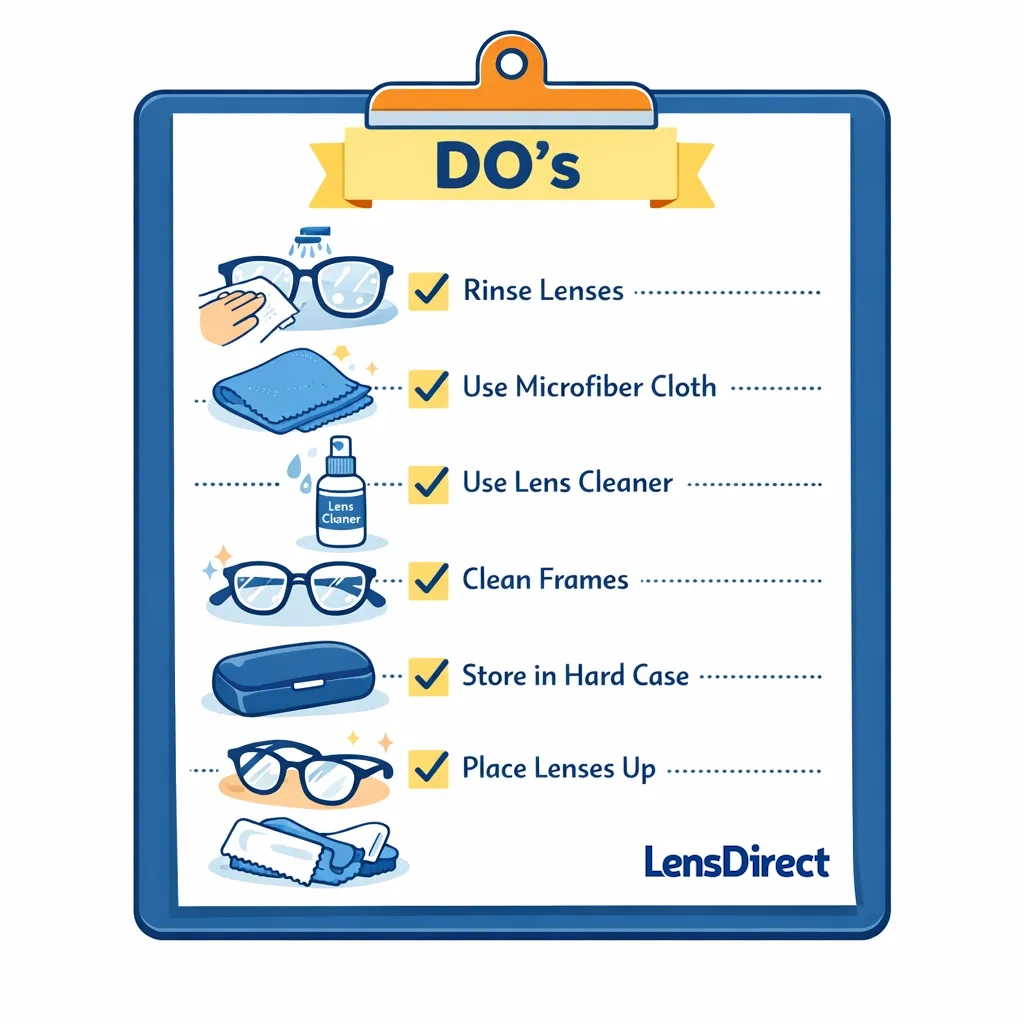
Prevention is easier than cleaning. Simple habits and adjustments can keep glass clear for years.
Rinse Glasses Immediately After Use
Residue from wine, juice, or coffee accelerates staining. Rinse with warm water right after drinking to prevent film buildup.
Don’t let glasses sit overnight with liquid inside.
Use a Dishwasher Rinse Agent
Rinse agents reduce water surface tension, helping it sheet off instead of beading and drying. Add to every cycle, especially in hard water areas, to prevent mineral deposits and etching.
Soften Hard Water
Install a water softener or use dishwasher pods formulated for hard water. This reduces mineral content and prevents buildup on glassware and fixtures.
Dry Glassware Immediately
Air drying causes water spots. Always dry glasses by hand with a microfiber cloth. Never use paper towels, as they leave lint and micro-scratches.
Store Glasses Properly
- Store upright to avoid dust accumulation.
- Don’t stack glasses tightly. Use felt liners if needed.
- Keep vases dry and don’t leave water or flower stems inside long-term.
Clean Windows Regularly
Dust and pollution build up over time. Deep clean every 2–4 weeks. In high-humidity areas, weekly light wiping prevents grime from setting.
Troubleshoot Common Issues
Even with the right method, problems can occur. Use this guide to diagnose and fix them fast.
Glass Still Cloudy After Cleaning
- Cause 1: Etching; vinegar won’t fix it. Test with the spot method.
- Cause 2: Incomplete rinse left residue. Wash again with clean water.
- Cause 3: Internal fog from window seal failure requires professional repair.
Rainbow Film on Glass
A shimmering, oily appearance usually means:
- Early-stage etching that won’t respond to vinegar.
- Or a surfactant film from low-quality detergent.
Wash with vinegar. If the rainbow disappears, it was residue. If not, the glass is etched.
Streaks After Cleaning
Caused by:
- Using paper towels.
- Letting cleaning solution dry on the surface.
- A dirty microfiber cloth.
Fix: Rewipe with a clean, damp microfiber cloth and buff dry.
Vinegar Smell Lingers
Vinegar odor fades quickly. If it persists:
- Rinse with baking soda solution (1 tsp in 1 cup water).
- Or wipe with rubbing alcohol mix.
Never mix vinegar with bleach, as this creates toxic fumes.
Can’t Clean Narrow Areas
For bottles or vases with small openings:
- Use uncooked rice with soap and water. Swirl to scrub inside.
- Or use a bottle brush with soft bristles.
- Denture tablets are ideal for chemical cleaning.
Frequently Asked Questions About Cleaning Foggy Glass
Can vinegar remove all types of foggy glass?
Vinegar works on mineral buildup caused by hard water but cannot fix etched glass. Perform the vinegar spot test first. If the cloudiness persists after wiping with vinegar, the damage is likely permanent.
How long should I soak cloudy glasses in vinegar?
Standard soaking time is 15 minutes for moderate buildup. For severe mineral deposits on sturdy glassware, an overnight soak is safe and effective. Avoid overnight soaks on delicate or antique pieces.
Is it safe to use baking soda and vinegar together?
Yes, but only when soaking glassware in a solution. The bubbling reaction helps lift stubborn deposits. Never mix them into a paste, as the fizzing can be too aggressive for delicate surfaces.
Why are my double-pane windows foggy between the glass layers?
This indicates seal failure, which allows moisture to enter the space between panes. Surface cleaning cannot fix this. You’ll need to replace the glass unit or consult a window specialist for repair options.
How often should I clean my windows to prevent cloudiness?
Deep clean every 2–4 weeks under normal conditions. In high-humidity or dusty environments, weekly light wiping prevents grime from setting and becoming harder to remove.
Can I put cloudy glasses in the dishwasher to clean them?
No. Dishwashers often cause the cloudiness in the first place, especially with hard water or excessive detergent. Hand washing with vinegar is safer and more effective for restoring clarity.
Key Takeaways for Cleaning Foggy Glass Successfully
Restoring foggy glass comes down to three core principles. First, always diagnose before cleaning; the vinegar spot test takes seconds and prevents wasted effort on permanently etched glass. Second, match the solution to the problem: vinegar and other mild acids dissolve mineral buildup, while gentle abrasives like baking soda handle stubborn residue. Third, prevention beats correction every time. Hand drying glassware, using rinse agents in dishwashers, and rinsing glasses immediately after use keeps cloudiness from returning.
Start with the vinegar spot test on your foggiest piece right now. Once you know what you’re dealing with, you’ll have clear, streak-free glass within minutes using items already in your kitchen.