
Paint splatters on glass are a frustrating DIY problem. Whether it’s overspray from a window frame project, dried drips on a glass tabletop, or stubborn logos on thrift-store glassware, the challenge is real. The good news is that you can remove paint from glass without scratching or damaging the surface when you choose the right method for your situation.
This guide covers safe, proven techniques using household items and basic tools. You’ll learn which solvents work best, how to scrape without scratching, and what to avoid on tinted or coated glass. By the end, you’ll know exactly how to restore clarity to any glass surface.
Choose the Right Removal Method
The best approach depends on three factors: paint type, age of the stain, and glass surface. Using the wrong tool can scratch the glass or strip protective coatings. Always start with the gentlest method and escalate only as needed. Most successful removals combine two strategies, like softening paint with vinegar, then lifting it with a plastic scraper.
Match Method to Paint Type
Water-based paint (like latex) responds well to vinegar or warm soapy water. Oil-based and spray paints are tougher and often require rubbing alcohol, acetone, or heat. Fresh paint wipes off easily, while dried or sun-baked layers need more aggressive treatment. Test any solvent on a small edge first, especially on tinted or treated glass.
Prioritize Non-Toxic Options First
Begin with white vinegar or dish soap and water. These are safe for food-contact surfaces and won’t harm window tints. If those fail, move to rubbing alcohol. Reserve acetone and commercial removers for thick, stubborn paint on untinted, uncoated glass only. Never use steel wool or abrasive pads, as they leave micro-scratches that permanently cloud the surface.
Combine Techniques for Stubborn Paint
For thick spray paint, use heat to soften the layer, then gently scrape with a plastic tool. Follow up with rubbing alcohol to dissolve residue. This layered approach prevents the need for harsh chemicals or risky scraping.
Use Vinegar to Soak Off Paint
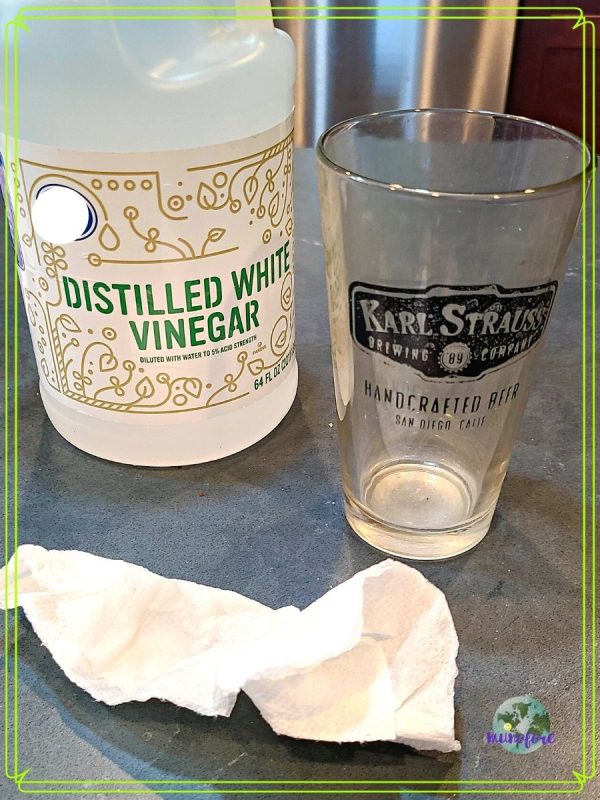
Vinegar is one of the safest and most effective ways to remove dried paint from glass, especially on glassware or delicate surfaces. The acetic acid in white vinegar breaks down paint bonds over time, especially when combined with heat. This method works best on water-based paints and faded logos.
Soak Glassware in Vinegar
For drinking glasses, jars, or bottles with painted designs:
1. Soak a paper towel in distilled white vinegar.
2. Wrap the towel around the painted area.
3. Place the item in a zip-top plastic bag and seal it to trap moisture.
4. Set it in direct sunlight for 2–6 hours. Heat accelerates the process.
5. Remove and gently rub the paint until it flakes off.
6. Use a plastic scraper for stubborn spots.
7. Wash in the dishwasher or with soap and water to remove residue.
Treat Window Splatters with Vinegar
For small paint drops on windows:
1. Soak a cloth in vinegar and press it over the spot.
2. Let it sit for 30–60 minutes.
3. Wipe with a microfiber cloth.
4. Repeat if needed. Finish with soapy water to neutralize the acid.
Pro Tip: Mix vinegar with baking soda for a light abrasive paste on thicker spots, but rinse thoroughly afterward.
Apply Rubbing Alcohol for Quick Cleanup

Rubbing alcohol (isopropyl alcohol) is a mild solvent that works fast on small paint splatters. It evaporates cleanly and is safer than acetone, making it ideal for quick fixes on mirrors, glass tables, or windows.
Remove Small Paint Dots
- Dampen a cotton ball or cloth with rubbing alcohol.
- Press it onto the paint spot and let it sit for 5–10 minutes.
- Gently rub in a circular motion.
- Wipe away loosened paint with a damp cloth.
- Dry with a microfiber towel.
Clean Residue After Scraping
After using a scraper, apply alcohol to a cloth and wipe the area to dissolve any remaining film. This leaves a clear, streak-free finish.
Warning: Test on a hidden spot first. Some glass coatings may react to alcohol.
Use Acetone Only on Clear Glass
Acetone is powerful and dissolves most paints quickly, but it carries real risks. Never use acetone on tinted windows or coated glass, as it will destroy the tint or anti-reflective layer.
Safe Acetone Use Steps
- Put on gloves and work in a ventilated area.
- Apply a small amount of acetone to a lint-free cloth.
- Press it onto the paint for 2–3 minutes. Don’t rub yet.
- Gently wipe in circles until paint lifts.
- Immediately rinse with soapy water to remove all residue.
- Dry with a clean cloth.
Best For: Thick, dried latex or oil-based paint on untinted glass doors, frames, or tabletops.
Avoid: Car windows, energy-efficient windows, or any glass with a film.
Soften Paint with Heat
Heat makes paint pliable, allowing easy removal without harsh chemicals. A hairdryer is all you need. Never use a torch or open flame.
Use a Hairdryer on Spray Paint
- Set the hairdryer to high heat.
- Hold it 6–8 inches from the glass and move it in circles.
- Heat until the paint softens or bubbles slightly.
- Immediately use a plastic scraper to lift the paint.
- Wipe residue with a cloth dampened with alcohol or soapy water.
Critical Tip: Don’t overheat one spot. Thermal shock can crack the glass. Keep the dryer moving constantly.
Ideal for Thick, Textured Layers
Spray paint often forms a tough outer shell. Heat penetrates and softens the entire layer, making scraping safer and more effective.
Scrape Paint Safely with Tools
Scraping works, but only if done correctly. The wrong tool or angle can scratch glass permanently.
Use Plastic Scrapers on Curved Glass
Plastic putty knives or pan scrapers are safe for glassware, curved surfaces, or coated glass:
1. Soften paint first with vinegar, alcohol, or heat.
2. Hold the scraper at a low angle (15–30 degrees).
3. Glide it under the paint to lift, not dig.
4. Work in small sections.
5. Replace the blade if it dulls.
Best For: Cups, vases, mirrors, and tinted windows.
Razor Blades: High Risk, High Reward
Metal razor blades are effective on flat, uncoated glass, but risky:
1. Use a new, sharp blade. Dull blades scratch.
2. Hold at a 15–45 degree angle.
3. Apply light forward pressure and let the blade slice the paint.
4. Wipe the blade clean frequently.
5. Replace after a few passes.
Never use on: Tinted windows, curved glass, or if you’re inexperienced.
Avoid Common Removal Mistakes
Even small errors can damage glass. Here’s what to skip.
Don’t Use Steel Wool or Abrasives
Steel wool, scouring pads, or gritty cleaners leave fine scratches that scatter light and create a hazy look. Always use soft cloths, microfiber, or plastic tools.
Never Ignore Coatings
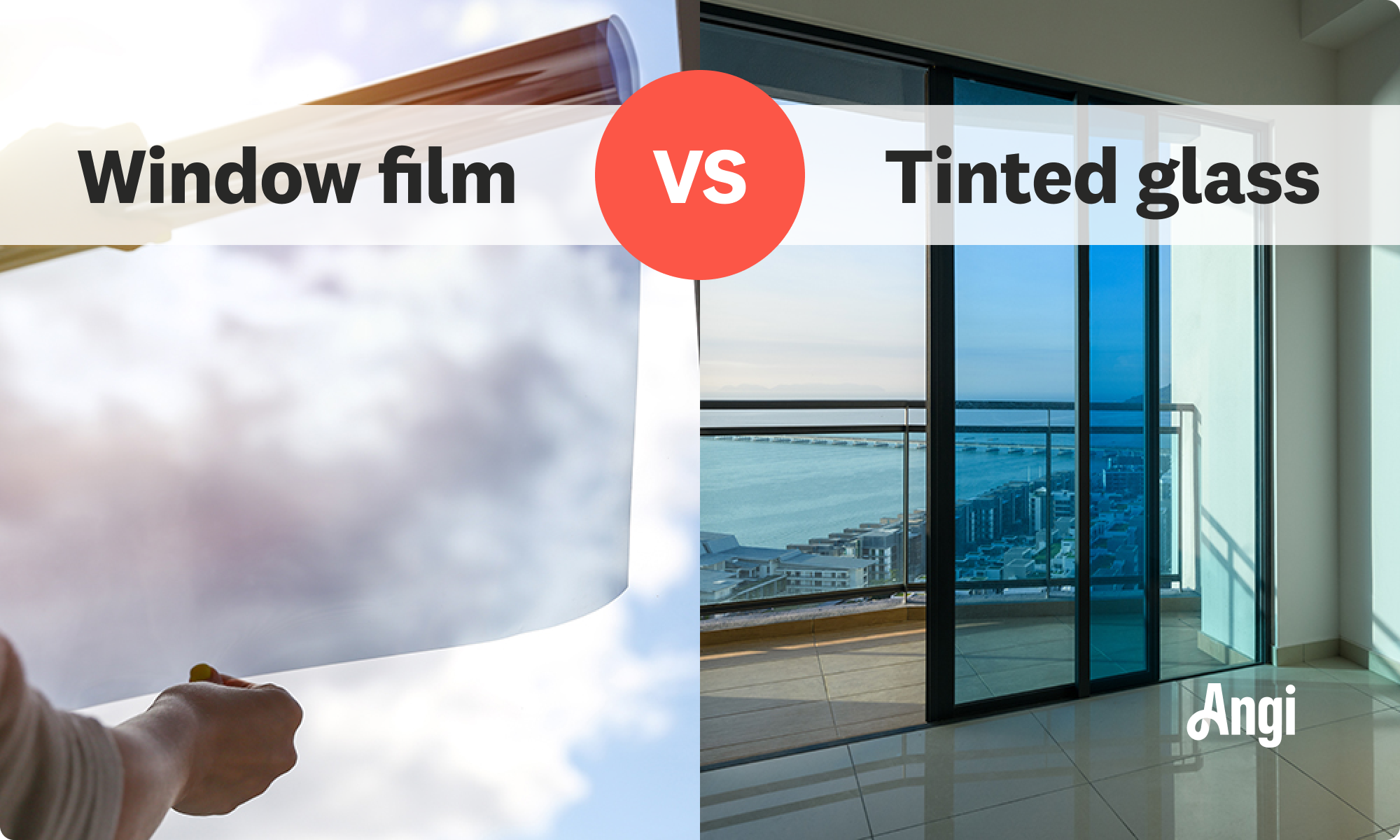
Tinted, low-E, or anti-glare coatings are easily destroyed by acetone or aggressive scrubbing. If in doubt, assume the glass is coated and stick to vinegar or alcohol.
Don’t Leave Chemical Residue
Acetone or commercial removers can cloud glass over time if not rinsed. Always follow with warm, soapy water and a thorough wipe.
Avoid Excessive Pressure When Scraping
Pressing too hard with any tool increases the chance of gouging. Let the sharpness of the blade or the power of the solvent do the work.
Handle Specific Glass Types Carefully
Different glass surfaces require tailored approaches.
Clean Window Glass Without Damage
Home windows often get overspray from exterior painting:
– Start with vinegar or alcohol.
– For larger areas, use a plastic scraper after softening.
– Never use acetone if the window is tinted.
– Finish with a microfiber cloth to prevent streaks.
Restore Glassware and Decor
For souvenirs, vases, or thrift finds:
– Use the vinegar soak method. It’s food-safe and wraps around curves.
– Scrape gently with a plastic tool.
– Run through the dishwasher for final cleaning.
Tackle Spray Paint on Glass
Spray paint is thick and sticky:
1. Soften with a hairdryer.
2. Scrape with a plastic blade.
3. Wipe residue with rubbing alcohol.
4. Wash with dish soap.
Know When to Call a Pro
Some paint removal jobs are too risky for DIY.
Hire a Professional If
- The glass is tinted, antique, or expensive.
- Paint covers most of a window.
- The paint is baked on by sun exposure.
- You’re unsure about the glass type.
- Previous attempts left scratches or haze.
Professionals use steamers, industrial-safe solvents, and precision tools to remove paint without damage.
Finish With Proper Cleaning
After paint removal, restore clarity and protect the glass.
Wash and Dry Thoroughly
- Clean the entire surface with warm, soapy water.
- Rinse well.
- Dry immediately with a lint-free microfiber cloth to prevent water spots.
Inspect for Residue or Scratches
Hold a flashlight at a low angle to spot any remaining paint or micro-scratches. Repeat treatment if needed.
Prevent Future Paint Splatters
- Remove glass panes before painting nearby.
- Use high-quality painter’s tape and overlap with plastic sheeting.
- Work on calm days to avoid wind-blown overspray.
Frequently Asked Questions About Removing Paint from Glass
Can paint be removed from glass without scratching?
Yes. Use softening solutions like vinegar or rubbing alcohol along with soft materials such as microfiber cloths and plastic scrapers. Avoid aggressive mechanical force, and never use steel wool or dull blades.
Is white vinegar effective for removing paint from glass?
Yes. White vinegar breaks down paint bonds through its acetic acid content, especially when heated by sunlight in a sealed bag. It’s particularly effective on water-based paints and faded logos.
Does acetone work for removing paint from glass?
Yes, but only on non-tinted, uncoated glass. Acetone dissolves paint rapidly and requires careful handling, proper ventilation, and complete rinsing to avoid residue damage.
Are razor blades recommended for paint removal on glass?
Generally no for amateurs. The risk of scratching is high if the blade is dull or held at the wrong angle. If used, the blade must be sharp and held at a shallow 15–45 degree angle with light pressure.
What is the fastest method to remove paint from glass?
For small spots, rubbing alcohol works in minutes. For large areas, a professional razor blade scraper is fastest. Vinegar requires hours of soaking but is the safest option for glassware.
When should I call a professional for paint removal?
Call a professional if the glass is tinted, antique, or expensive, if paint covers most of a window, if the paint has been baked on by sun exposure, or if you’re unsure about the glass type. Previous failed attempts that left scratches also warrant expert help.
Key Takeaways for Safe Paint Removal from Glass
Removing paint from glass is straightforward when you match the method to the surface. Start with the gentlest option: vinegar for glassware and water-based paint, rubbing alcohol for small splatters, and heat for thick spray paint. Reserve acetone for clear, uncoated glass only, and never use it on tinted windows.
Always protect coatings, avoid abrasives like steel wool, and rinse thoroughly after chemical treatments. Use plastic scrapers on curved or coated surfaces, and keep razor blades at a shallow angle on flat glass. With patience and the right tools, your glass can look like new again.