
Grimy, spotted glass shower doors can make even the cleanest bathroom feel dingy. Daily showers leave behind soap residue, body oils, and minerals that build up over time, especially in homes with hard water. These deposits don’t just look bad; they can actually etch into the glass permanently if ignored. The good news? You don’t need expensive products to restore that crystal-clear shine. This guide walks you through identifying your specific buildup, choosing the right tools, applying proven cleaning methods, and establishing a maintenance routine that keeps your shower glass looking new.
Identify the Buildup Type Before You Clean
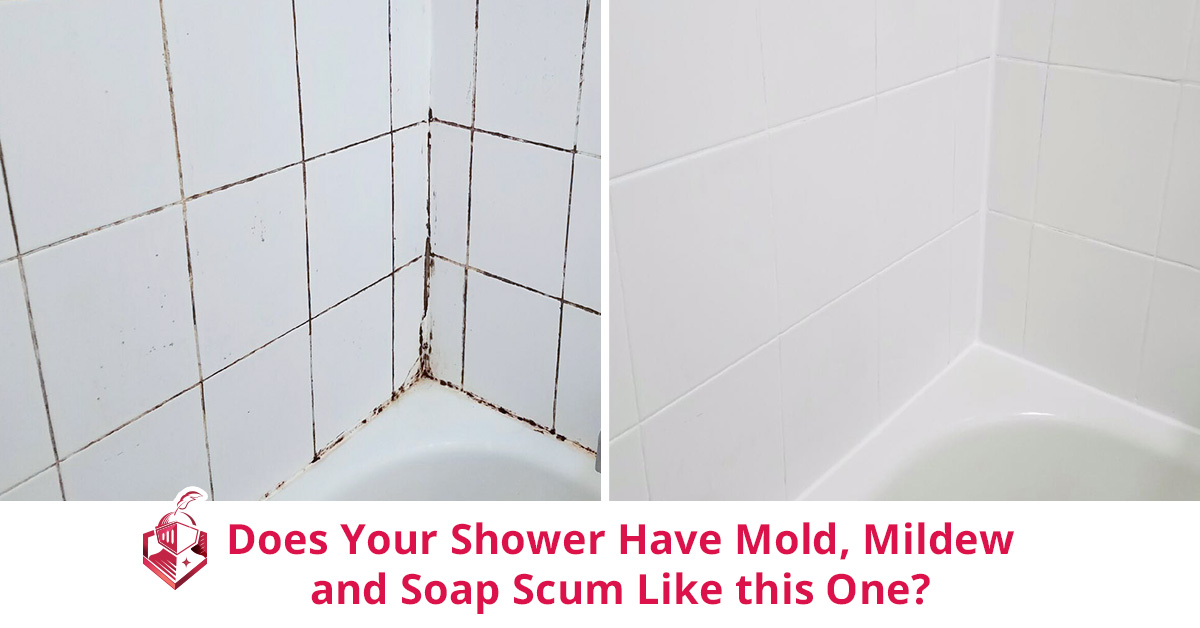
Knowing what kind of grime you’re fighting helps you choose the most effective treatment.
Soap Scum and Body Oil Residue
Soap scum forms when soap combines with hard water minerals and body oils, creating a slippery, filmy layer that resists water. This buildup appears dull or hazy and tends to accumulate on frequently used doors. A degreasing agent like dish soap paired with an acidic cleaner such as vinegar works best here. The soap breaks down oils while the acid dissolves minerals.
Hard Water and Mineral Stains
Hard water leaves calcium and magnesium deposits that dry into white, cloudy spots or streaks. The longer these stains sit, the harder they become to remove. Vinegar’s acetic acid breaks down mineral bonds effectively. For stubborn cases, baking soda paste adds gentle abrasion without scratching.
Mildew and Mold Growth
Black, pink, or gray spots near seals, corners, or tracks signal mold or mildew. These fungi thrive in damp, poorly ventilated spaces and pose health risks. Hydrogen peroxide or vinegar kills spores and disinfects surfaces. Improving airflow after cleaning prevents regrowth.
Etched or Cloudy Glass
If cleaning doesn’t restore clarity, the glass may be permanently etched. This happens when minerals or abrasive cleaners corrode the surface over time. Unlike surface stains, etching cannot be cleaned away. Prevention through squeegeeing and water repellents is your best defense.
Gather the Right Tools and Cleaners
Using improper tools can scratch glass or strip protective coatings. Equip yourself correctly for safe, effective results.
Essential Cleaning Tools
A squeegee is your most valuable tool for both cleaning and daily maintenance. Use it after every shower to prevent new stains. Microfiber cloths absorb moisture without leaving lint or streaks. For textured glass, soft-bristled brushes or old toothbrushes reach into grooves where grime hides. Foam pads work well on smooth surfaces but avoid them on coated finishes.
A razor blade helps with hardened buildup on smooth, uncoated glass only. Hold it at a strict 45-degree angle and keep the surface wet to prevent scratches. Never use a razor blade on textured or treated glass unless the manufacturer confirms it’s safe.
Safe and Effective Cleaning Agents
Distilled white vinegar and baking soda are powerful, inexpensive, and safe for most glass types. Vinegar dissolves mineral deposits while baking soda acts as a gentle abrasive that lifts grime when mixed into a paste. Dish soap cuts through grease and body oils, especially when combined with vinegar. Hydrogen peroxide disinfects and works well with baking soda for mold-prone areas. Lemon juice offers citric acid as a natural alternative with a fresh scent.
For hardware, a small dab of baby oil after cleaning repels water and maintains shine. Adding 10% isopropyl alcohol to commercial glass cleaner speeds drying and reduces streaks.
Substances to Avoid
Never use steel wool, abrasive powders, or harsh scrubbers; they scratch glass permanently. Avoid ammonia-based cleaners on coated or tempered glass since they can strip protective layers. Never apply vinegar to natural stone surrounds like marble or travertine; the acid will etch the stone.
Apply the Best Cleaning Method for Your Situation
Match your method to the buildup level and glass type for optimal results.
Vinegar and Water Spray for Light Cleaning
This method works well for weekly maintenance on clear glass with minor film. Mix equal parts distilled white vinegar and water in a spray bottle. For enhanced effectiveness, warm the solution in the microwave for 30 to 45 seconds. Spray generously and let it sit for 5 to 10 minutes. Wipe with a microfiber cloth, rinse with warm water, and dry immediately with a squeegee.
Pro Tip: Use distilled water to prevent new mineral spots, especially in hard water areas.
Vinegar and Dish Soap Mix for Tough Soap Scum
When basic cleaning isn’t enough, combine equal parts vinegar and liquid dish soap in a spray bottle. The soap breaks down oils while vinegar tackles minerals. Spray the door, let it sit for 10 to 15 minutes, then scrub gently with a non-abrasive pad. Rinse thoroughly and dry.
Baking Soda Paste for Heavy Buildup
For thick, caked-on grime or textured glass, make a thick paste of baking soda and water. Spread it over the glass, ensuring it fills grooves and patterns. For extra power, spritz warm vinegar over the paste; it will fizz and loosen debris without aggressive scrubbing. Let it sit for 15 to 30 minutes, then agitate with a soft brush. Rinse well and dry.
Expert Note: For textured glass, use a toothbrush to clean deep into crevices where residue hides.
Hydrogen Peroxide Treatment for Mold and Mildew
To eliminate mold in textured areas or seals, mix hydrogen peroxide and baking soda into a runny paste. The bubbling action penetrates small spaces. Apply to affected zones, let sit for 30 minutes, then scrub with a soft brush and rinse.
Lemon Juice Scrub for a Natural Option
Apply undiluted lemon juice directly to the glass for a fresh-smelling clean. Let it sit several minutes, then scrub lightly and rinse thoroughly. Its citric acid dissolves light mineral deposits.
Commercial Concentrate for Quick Maintenance
Products like Branch Basics Streak-Free offer a simple, eco-friendly option. Add one drop of concentrate to a full spray bottle of distilled water. Spray 1 to 2 times on the glass and wipe immediately with a dry microfiber cloth. No rinsing needed.
Razor Blade for Stubborn Residue
Only use a razor blade on smooth, uncoated glass with hardened deposits. Wet the glass first, then hold the blade at a 45-degree angle. Gently scrape in downward strokes. Follow with a vinegar rinse and dry.
Clean Tracks, Seals, and Hardware

Don’t overlook the frame, tracks, and seals; these areas trap grime and foster mold.
Clear Sliding Door Tracks
Tracks collect hair, soap, and mildew. Start by vacuuming dry debris with a HEPA vacuum and crevice tool. Plug the track’s drain hole with a paper towel to hold liquid inside. Fill or spray the track with undiluted vinegar or a bathroom cleaner with Oxygen Boost. Let it soak overnight to break down mold. Scrub corners with an old toothbrush, remove the plug, soak up excess with paper towels, then wipe dry.
Warning: Skipping dry removal first can turn debris into mud, making cleaning much harder.
Wipe Door Seals
Rubber or vinyl seals at the door base harbor invisible mildew. After cleaning the glass, run a sponge soaked in vinegar solution along the seal’s bottom and sides. Wipe with a damp cloth to remove residue.
Polish Metal Hardware
Wipe hinges, handles, and frames with a mild soap solution. Use a small brush to clean tight junctions. Dry with a soft cloth, then apply a tiny drop of baby oil to repel water and restore shine. Avoid getting oil on glass since it attracts dust.
Prevent Future Buildup

The best cleaning strategy is preventing grime before it forms.
Daily Squeegee Routine
Squeegee the glass after every shower. This single step removes standing water and stops minerals from drying onto the surface. Keep the squeegee in the shower for convenience.
Expert Analogy: Letting soap scum sit is like spilling red wine on a white shirt. The longer it stays, the harder it is to remove.
Improve Bathroom Ventilation
Run the bathroom fan during and after showers for at least 20 to 30 minutes. Open the shower door and bathroom window if possible. Dry air prevents mold and speeds up evaporation.
Apply Water Repellent
Twice a year, treat glass with a water-repellent product like Rain-X Shower Door Repellent. It creates a barrier that causes water to bead and roll off, reducing mineral deposits and soap scum adhesion.
Install a Water Softener
If you have hard water, consider a showerhead filter or whole-home softener. These reduce calcium and magnesium in water, preventing stains at the source.
Frequently Asked Questions About Cleaning Glass Shower Doors
What is the best homemade cleaner for glass shower doors?
A mixture of equal parts distilled white vinegar and water works well for regular maintenance. For tougher soap scum, combine vinegar with liquid dish soap. Baking soda paste handles heavy buildup and textured glass effectively.
How often should I clean my glass shower doors?
Squeegee the glass after every shower to prevent buildup. Do a thorough cleaning with vinegar solution weekly. Deep clean tracks, seals, and hardware monthly to prevent mold growth.
Can I use a Magic Eraser on glass shower doors?
Yes, but only on smooth, uncoated glass. Magic Erasers work well for removing light film and water spots. Avoid them on textured glass or doors with protective coatings, as they can damage the finish.
Why does my glass shower door look cloudy even after cleaning?
Cloudiness that doesn’t respond to cleaning usually indicates etching. This permanent damage occurs when hard water minerals or abrasive cleaners corrode the glass surface over time. Prevention through squeegeeing and water repellents is the only solution.
Is vinegar safe for all shower door types?
Vinegar is safe for glass and most metal hardware. However, never use vinegar if your shower enclosure includes natural stone like marble or travertine. The acid will etch and damage the stone permanently.
How do I remove hard water stains from shower glass?
Spray undiluted distilled white vinegar on the stains and let it sit for 10 to 15 minutes. For stubborn spots, apply a baking soda paste over the vinegar for a fizzing action that lifts mineral deposits. Scrub gently with a non-abrasive pad and rinse.
Key Takeaways for Keeping Glass Shower Doors Crystal Clear

Clean glass shower doors come down to the right method and consistent care. Use vinegar and baking soda for deep cleans, a squeegee daily, and water repellents twice a year. Avoid abrasive tools, test cleaners on coated glass before full application, and never ignore early buildup. Start by identifying your specific buildup type, gather the proper supplies, and apply the matching cleaning method. Once your doors are sparkling, commit to a simple daily squeegee routine and weekly wipe-down. Your shower will stay clear, streak-free, and mold-free for years to come.