
A cloudy, grease-splattered oven door can make your entire kitchen feel dingy. When baked-on residue builds up on the glass, it blocks your view of cooking food and forces you to open the door repeatedly, which wastes heat and energy. The good news is that learning how to clean oven glass does not require expensive products or toxic fumes. With pantry staples like baking soda and vinegar, you can restore a crystal-clear finish in under an hour.
This guide covers the most effective cleaning methods, how to handle stubborn stains, when it is safe to disassemble your oven door, and simple maintenance habits that keep your glass looking new. Whether you are tackling years of buildup or just a fresh splatter, you will find a safe, proven solution here.
The Baking Soda and Vinegar Paste Method
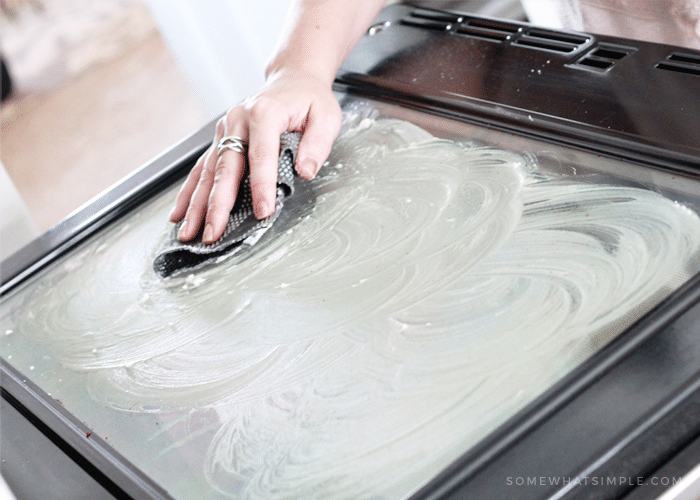
This approach is the gold standard for cleaning oven glass. The mild abrasive power of baking soda combined with the acidic lift of vinegar breaks down grease without scratching the surface or releasing harsh fumes.
Mix the Cleaning Paste
Combine ½ cup of baking soda with 3 tablespoons of warm water to form a thick, spreadable paste. Aim for a consistency similar to shaving cream so it clings to the glass without dripping. For extra grease-fighting strength, add a few drops of dish soap to the mixture.
Apply and Allow Dwell Time
Spread the paste evenly across the entire glass surface using a soft cloth, brush, or gloved hand. Cover both stained and clean areas to ensure uniform results. Let the paste sit for at least 15 to 20 minutes. For heavy buildup, extend the dwell time to 25 to 30 minutes or longer so the mixture can penetrate stubborn grime.
Activate with Vinegar Spray
Fill a spray bottle with equal parts white vinegar and water. Mist the solution generously over the dried paste. A visible fizzing reaction will occur as the acid meets the base. This bubbling action mechanically lifts debris from the glass. Allow the fizz to work for 30 to 60 seconds before wiping.
Wipe and Scrape Gently
Dampen a microfiber cloth with warm water and wipe the paste away using circular or downward strokes. Most residue should lift easily. For remaining spots, use a plastic scraper held flat against the glass. A razor blade can also work if kept completely flat, never at an angle, to avoid scratches.
Final Rinse and Buff
Spray the glass one last time with the vinegar solution. Wipe clean with a damp microfiber cloth, then immediately buff dry with a separate lint-free towel. This final step eliminates streaks and leaves a polished finish.
Dish Soap for Light Cleaning
For routine touch-ups, dish soap alone handles fingerprints, light splatters, and everyday smudges without the need for a full paste treatment.
Clean with Mild Soap
Dampen a microfiber cloth with warm water and add 2 to 3 drops of dish soap. Wipe the glass gently in circular motions. Avoid abrasive sponges or heavy pressure that could leave micro-scratches.
Rinse and Dry Immediately
Wipe away soapy residue with a clean, damp cloth. Dry the surface right away using a dry microfiber towel. Immediate drying prevents water spots and mineral streaks from forming.
Pro Tip: Using only soft, non-abrasive materials prevents scratches that trap grease and make future cleanings harder.
Vinegar or Lemon Juice Spray
This quick method works well for light grease and post-cooking touch-ups. It also leaves a natural shine and fresh scent.
Prepare the Spray Solution
Mix equal parts white vinegar or lemon juice with water in a spray bottle. Lemon juice offers natural acidity that cuts grease while adding a subtle polish.
Spray and Wipe
Generously coat the glass with the solution and let it sit for 1 to 2 minutes. Wipe clean with a microfiber cloth. For slightly tougher spots, sprinkle dry baking soda directly onto the wet surface to trigger a fizzing lift, then wipe immediately.
Expert Note: A 1:4 vinegar-to-water ratio works well for the final rinse, ensuring all baking soda residue is removed and the finish stays streak-free.
Handle Tough Stains Like a Pro

Some oven glass problems require targeted treatment. Here is how to address common stubborn issues without damaging the surface.
Remove Brown Stains
Brown discoloration often comes from repeated heat exposure or sugar-based spills. Apply the baking soda paste directly and let it sit for 20 to 30 minutes. Wipe with a damp cloth. If stains remain, gently scrape with a plastic tool or flat razor blade.
Break Down Baked-On Grease
Hardened grease requires patience. Apply paste, wait 20 minutes or more, then use a plastic scraper in short, firm strokes. For extreme buildup, repeat the process or add the vinegar activation step to boost lifting power.
Clean Cooking Oil Splatters
Wipe away excess oil with a paper towel first. Spray the area with warm water and dish soap, let it sit for 5 minutes, then wipe clean. Dry immediately to prevent oil from setting back onto the glass.
Eliminate Soot from Smoked Foods
Carbon deposits from burned food or frequent broiler use require thorough treatment. Use the baking soda paste method, paying extra attention to edges and corners where soot tends to accumulate.
Prevent and Remove Streaks
Streaks typically result from improper drying or leftover residue. Always buff with a dry, lint-free microfiber cloth after the final wipe. Avoid old towels or paper towels, which can leave lint behind.
Clean Between Glass Panes Safely
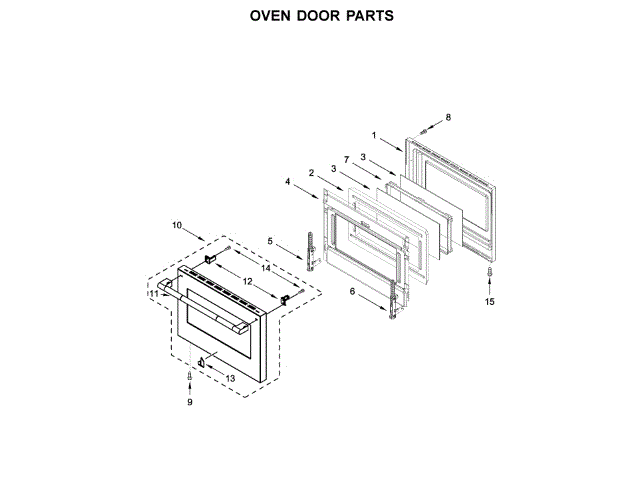
If grime is trapped between the double or triple panes of your oven door, you may need to disassemble the door. Proceed with caution, as this can affect your warranty.
Check Your Oven Manual First
Disassembly can void your warranty. Review the owner’s manual to confirm whether your model allows it and to identify the screw types required, often Torx or Phillips.
Remove the Oven Door
Open the door to its first stopping point. Locate the hinge locks or release levers, usually near the base or top of the door frame. Unlock them and carefully lift the door off the hinges. Place it on a soft towel with the inner glass facing up.
Disassemble and Clean Separately
Remove the screws securing the glass panels and carefully separate the door layers. Clean each pane using the baking soda paste method. Wipe thoroughly and let each piece dry completely before reassembly.
Warning: If your oven has a sealed door, do not attempt disassembly. Contact a professional technician instead.
Reassemble with Care
Reverse the process with the help of an assistant, since oven doors are heavy and awkward to maneuver alone. Make sure all screws are tightened and the door is securely reinstalled before using the oven.
Prepare for Self-Cleaning Cycles
Running a self-cleaning cycle without prepping the glass can bake existing stains into the surface, leaving dark streaks behind.
Pre-Cycle Cleaning
Before starting the cycle, apply white vinegar or glass cleaner and gently scrub with Grade 000 steel wool. This ultra-fine grade is the only steel wool safe for oven glass and removes residue that would otherwise carbonize during the 900°F cycle.
Wipe and Dry
Remove all cleaning traces and let the glass dry completely before running the self-cleaning cycle.
Post-Cycle Wipe
Once the oven has fully cooled, wipe the glass with a damp microfiber cloth to remove ash or new residue. Buff dry for clarity.
Note: Standard steel wool or scouring pads should never be used on glass. They cause permanent scratches.
Avoid Common Cleaning Mistakes
Even simple cleaning can go wrong if you skip key steps or use the wrong tools.
Never Clean Hot Glass
Wait until the oven is completely cool. Applying solutions to hot glass can cause thermal shock, leading to cracks or shattering, and increases burn risk.
Skip Harsh Abrasives
Avoid steel wool (non-000), scouring pads, or abrasive powders. These scratch the glass and create grooves where grease accumulates faster over time.
Do Not Ignore the Manual
Always check your oven’s manual before disassembling. Some models have sealed doors or specific protocols. Bypassing these can void your warranty.
Always Buff Dry
Skipping the final buff leads to streaks and water spots, especially when using vinegar. Use a clean, dry microfiber cloth every time.
Recommended Cleaning Frequency
Regular maintenance prevents deep buildup and makes each cleaning session faster and easier.
Clean Exterior Weekly
Wipe the outside glass once a week to remove fingerprints, cooking splatters, and stovetop grease. Use dish soap and water or a vinegar spray.
Clean Interior Every 3 Months
The inside glass should be cleaned every three months, or immediately after messy spills like lasagna or roasts. Use the baking soda paste method for best results.
Wipe Spills Immediately
As soon as the oven cools, wipe up fresh spills. Immediate action prevents them from baking on during future use.
Adjust for Heavy Use
Frequent cooks or those preparing greasy dishes should clean every 4 to 6 weeks to maintain clarity and hygiene.
Why Baking Soda Wins Over Commercial Cleaners
While commercial oven cleaners exist, baking soda remains the top recommendation among cleaning experts.
Natural and Safe
Baking soda and vinegar are non-toxic, affordable, and eco-friendly. No harsh fumes mean safer use, especially in homes with children or pets.
Effective Without Damage
Commercial cleaners can leave chemical residues and require overnight soaking. They may also damage seals or frames if not rinsed thoroughly. Baking soda cleans deeply without these risks.
Expert-Tested Results
After testing Magic Erasers, pumice stones, dishwasher tablets, and steam cleaners, experts consistently rated the baking soda paste as the clear winner for removing both grease and brown stains.
Insight: Commercial cleaners often need to soak for hours, ideally overnight, but baking soda delivers comparable results in under 30 minutes.
Frequently Asked Questions About How to Clean Oven Glass
Can I use a razor blade on oven glass?
Yes, a razor blade can be used on oven glass if held completely flat against the surface. Never angle the blade or use the corner, as this causes scratches. A plastic scraper is a safer alternative for most residue.
How do I clean between the glass panes of my oven door?
You will need to disassemble the oven door to access the inner panes. Check your owner’s manual first, since this may void your warranty. Remove the door, unscrew the glass panels, and clean each piece with the baking soda paste method.
What is the best homemade oven glass cleaner?
A paste made from ½ cup baking soda and 3 tablespoons of water is the most effective homemade solution. Adding a few drops of dish soap boosts grease-cutting power, and a vinegar spray activates the paste for tougher stains.
Is it safe to use vinegar on oven glass?
Yes, vinegar is safe and effective on oven glass. Mix it with water in a spray bottle and use it to activate baking soda paste or as a final rinse. A 1:4 vinegar-to-water ratio works well for the final buff to prevent streaks.
How often should I clean my oven glass?
Clean the exterior glass weekly and the interior glass every three months, or more often if you cook frequently. Wipe up spills as soon as the oven cools to prevent buildup.
Can I use steel wool on oven glass?
Only Grade 000 steel wool is safe for oven glass, and it should be used only when preparing for a self-cleaning cycle. Standard steel wool and scouring pads will scratch the surface permanently.
Key Takeaways for Cleaning Oven Glass Successfully
Learning how to clean oven glass comes down to three essentials: the right ingredients, the right tools, and consistent maintenance. The baking soda paste method remains the safest and most effective approach for most situations, while dish soap and vinegar sprays handle lighter jobs. Always wait for the oven to cool, use only soft microfiber cloths and plastic scrapers, and buff dry to avoid streaks.
For grime trapped between panes, consult your manual before attempting disassembly, and consider calling a professional if your door is sealed. Start with a weekly exterior wipe and a quarterly interior deep clean to keep buildup under control. With these habits in place, your oven glass will stay clear, your kitchen will look brighter, and you will always have a clear view of your cooking.