
You’ve upgraded your dining room or living space and now face the challenge of what to do with your old glass table top. Unlike everyday glass bottles or jars, a glass tabletop is not something you can simply toss into the recycling bin. It’s large, heavy, and potentially dangerous if broken. Whether it’s intact or already shattered, knowing how to dispose of a glass table top properly is essential for safety, environmental responsibility, and compliance with local waste regulations.
Most people assume glass is always recyclable, but that’s not true for flat glass like table tops. Tempered, laminated, or coated glass used in furniture often can’t be processed in standard recycling facilities due to differences in chemical composition and melting points. In fact, placing it in curbside recycling may result in contamination or injury to waste workers. This guide will walk you through every step: from determining your glass type and exploring reuse options, to safe disposal methods and professional removal alternatives.
Identify Your Glass Type First
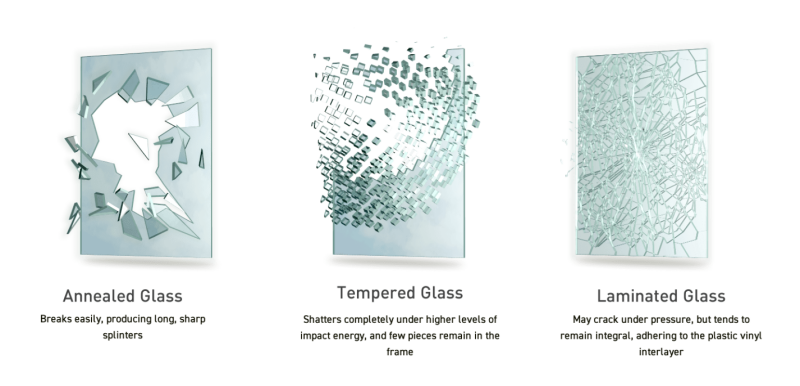
Before deciding on disposal, determine what kind of glass you’re dealing with. The type affects safety, recyclability, and handling requirements.
Check for Tempered, Laminated, or Annealed Glass
- Tempered (Toughened) Glass: Found in most modern tables. Up to 5 times stronger than regular glass. When broken, it shatters into small, pebble-like pieces.
- Laminated Glass: Made of two layers bonded with plastic (like car windshields). Breaks but holds together. Requires special processing.
- Annealed (Standard) Glass: Common in older furniture. Breaks into large, sharp shards, which are extremely hazardous.
- Treated or Coated Glass: Tinted, etched, or coated tops may be rejected by recycling facilities entirely.
Pro Tip: Look for a stamp or etching in the corner. Many tempered glass tops are marked with “Temp” or a manufacturer’s logo. If unsure, assume the worst-case scenario and handle it as if it could produce dangerous shards.
Sell or Give Away If Still Intact
If your glass table top is undamaged, consider reuse before disposal. Many people need replacements for DIY projects or budget-friendly furniture.
List on Local Marketplaces
- Platforms: Facebook Marketplace, Craigslist, Nextdoor, Freecycle, or local classified ads.
- Key Details to Include:
- Clear photos from multiple angles
- Exact dimensions (length, width, thickness)
- Condition (scratches, chips, cracks)
- “Pickup Only” notice and location
Why It Works: DIYers often repurpose glass tops for desks, shelves, or art projects. Some renters replace damaged tops without buying new furniture.
Donate to Charities or Reuse Centers
Donating keeps usable materials out of landfills, but not all charities accept large glass items.
Contact These Organizations First
- Habitat for Humanity ReStore
- Goodwill or Salvation Army (some locations only)
- Local thrift stores or vocational schools
Call Ahead: Most have strict policies due to liability and storage limits. Even if accepted, they may require you to deliver it safely wrapped.
Alternative Idea: Offer it to local artists, craft studios, or schools for mosaic work or sculpture. Many welcome free materials.
Repurpose the Table Top Into Something New
If selling or donating isn’t an option, consider upcycling the glass into a functional item for your own home.
Creative Repurposing Ideas
- Wall Art: Paint or etch designs using glass-safe paints or stencils to create unique wall hangings.
- Shelving: Attach brackets to convert the top into a functional shelf for any room.
- New Furniture Base: Add legs to create a coffee table, side table, or desk.
- Room Divider: Mount the glass vertically on a frame to serve as a modern decorative panel.
- Indoor Greenhouse: Use a large, intact top to construct a small greenhouse for plants.
Can You Recycle a Glass Table Top?

Recycling is ideal, but flat glass like table tops is not accepted in curbside bins. Container glass (bottles and jars) melts at a different temperature than flat glass, making them incompatible.
Verify Local Recycling Rules
- Call Your Municipality: Contact your city’s Public Works or recycling center.
- Ask These Questions:
– Do you accept flat glass or tempered glass?
– Is there a drop-off location or special collection day?
– Must metal frames or rubber edging be removed?
– Is an appointment required?
Some facilities accept clean, unbroken flat glass during designated drop-offs. Others refer you to private recyclers specializing in construction or architectural glass.
Important: If the glass is cracked, treated, or laminated, it’s likely not recyclable and must go to landfill.
Prepare for Safe Disposal at the Landfill
If recycling isn’t an option, you’ll need to dispose of the glass as bulk waste. This requires careful preparation to prevent injury.
Gather Essential Safety Gear
- Safety goggles (mandatory for eye protection)
- Heavy-duty gloves (leather or riggers-style)
- Long sleeves and pants
- Sturdy boots with thick soles
- Face mask if breaking indoors (to avoid inhaling dust)
Glass shards can fly unexpectedly, especially with tempered glass, so full protection is critical.
Wrap the Glass Securely Before Moving
Wrapping prevents breakage during transport and protects handlers.
Step-by-Step Wrapping Process
- Lay down an old blanket, thick cardboard, or moving pad on a flat surface.
- Place the glass gently on top.
- Fold the material over completely.
- Wrap duct tape in a crisscross “X” pattern across the surface to hold shards together if it breaks.
- Tape all edges shut and create a handle for lifting.
Visual Cue: The wrapped bundle should feel stable with no loose flaps. Label it “Fragile – Glass” for clarity.
Break the Glass Only If Necessary
Only break the tabletop if it’s too large for transport or your waste facility requires broken pieces.
How to Break Tempered Glass Safely
- Work outdoors on a soft surface like grass or dirt.
- Keep the wrapped glass flat on the ground.
- Use a hammer with a pointed tip or center punch.
- Strike the edge or corner firmly. One sharp tap is often enough.
- Stand to the side. Never position yourself directly above.
What Happens: Tempered glass will instantly shatter into small granular pieces once the internal tension is broken.
Warning: Annealed glass produces long, jagged shards that are far more dangerous. Always assume worst-case scenario when handling.
Package Broken Glass for Disposal
Never put loose glass in a trash bag. Proper containment protects sanitation workers.
Safe Packaging Steps
- Keep broken pieces inside the original wrapping (blanket or sheet).
- Place the bundle into a heavy-duty cardboard box.
- Fill empty space with rags, newspaper, or foam to prevent shifting.
- Seal with strong packing tape.
- Clearly label the box: “BROKEN GLASS – DANGEROUS” in bold letters.
Alternative for Small Pieces: Double-bag in thick garbage bags (contractor-grade), then place inside a box.
Schedule Bulk Pickup or Drop Off
Most cities offer ways to dispose of large, non-standard items.
Use Municipal Bulk Trash Service
- Check Size Limits: Items over 4 feet by 4 feet may need advance notice.
- Call Ahead: Schedule pickup and confirm drop-off day.
- Place Curbside Safely: Keep the box upright and away from traffic.
Visit a Landfill or Transfer Station
- Bring ID and vehicle registration (some charge disposal fees).
- Follow staff instructions for unloading.
- Confirm whether glass is accepted at the general waste or construction debris section.
Hire a Junk Removal Pro for Heavy Jobs

For oversized, heavy, or awkwardly shaped glass, professional help is worth the cost.
Benefits of Hiring Experts
- Specialized Equipment: Dollies, straps, and trucks designed for fragile loads.
- Proper Disposal: Reputable companies sort recyclables and follow local regulations.
- Time and Risk Savings: No need to break, wrap, or transport yourself.
Cost Range: $100 to $300 depending on size and location. Compare quotes from 2 to 3 services.
Recommended Services:
– 1-800-GOT-JUNK?
– LoadUp
– Local glass installation or removal specialists
Explore Safer Alternatives for Future Use
If you’re replacing your glass table, consider materials that are easier and safer to dispose of.
Compare Common Table Top Materials
| Feature | Tempered Glass | Acrylic (Plexiglass) | Standard Annealed Glass |
|---|---|---|---|
| Break Risk | Shatters into small pieces | Cracks or dents, won’t shatter | Large, dangerous shards |
| Weight | Heavy | Lightweight | Heavy |
| DIY Friendly | No, cannot cut after tempering | Easy to cut and shape | Possible with tools |
| Recyclability | Limited, not curbside | Recyclable as #7 plastic (varies) | Landfill or specialty recycling |
| Disposal Difficulty | High | Low | High |
Expert Note: Acrylic is a durable, shatter-resistant alternative that’s lighter and simpler to dispose of. It’s ideal for homes with kids or pets.
Prevent Injuries With Smart Handling
Glass disposal carries real risks. Follow these best practices to stay safe.
Avoid Common Mistakes
- Don’t assume it’s recyclable. Always verify with local facilities.
- Never throw loose glass in a trash can. Even small pieces can pierce bags.
- Avoid standing over the glass when breaking. Use side angles.
- Don’t attempt to cut or drill tempered glass. It will explode into fragments.
Pro Tip: Work with a partner when lifting. One person guides while the other carries to prevent slips.
Frequently Asked Questions About Glass Table Top Disposal
Can you put a glass table top in the recycling bin?
No. Flat glass like table tops has a different chemical composition and melting point than container glass. Most curbside programs only accept bottles and jars. Contact your local recycling center to ask about specialty drop-off options.
How do I know if my glass table top is tempered?
Look for a stamp or etching in the corner that says “Temp” or shows a manufacturer’s logo. If you can’t find a mark, assume it’s standard or tempered glass and handle it with full protective gear.
Is it dangerous to break a tempered glass table top?
It can be if done improperly. Always wear safety goggles, heavy gloves, and long clothing. Strike the edge or corner with a pointed tool while standing to the side. The glass will shatter into small granular pieces once the tension breaks.
Can I donate a glass table top to Goodwill or Habitat for Humanity?
Possibly, but policies vary by location. Call ahead to confirm acceptance. Many charities have restrictions on large glass items due to liability and storage concerns.
What should I do with a cracked or chipped glass table top?
Cracked glass is generally not accepted by recyclers. Wrap it securely in a blanket, place it in a labeled cardboard box, and dispose of it through bulk trash pickup or a professional junk removal service.
How much does it cost to hire someone to remove a glass table top?
Professional junk removal services typically charge between $100 and $300, depending on size, weight, and your location. Always get quotes from 2 to 3 providers before booking.
Key Takeaways for Disposing of Your Glass Table Top
Disposing of a glass table top doesn’t have to be stressful. With the right plan, you can do it safely and responsibly. Start by identifying your glass type, then explore reuse options like selling, donating, or repurposing before turning to disposal. If disposal is unavoidable, always wear protective gear, wrap the glass securely, and never place loose shards in a trash bag.
Your next step is simple: assess the condition of your tabletop today. If it’s intact, photograph it and post it on a local marketplace. If it’s broken or unwanted, gather your safety gear and follow the wrapping and disposal steps outlined above. By taking these precautions, you protect yourself, waste workers, and the environment while turning a hazardous chore into a smooth, responsible process.