
Sticky residue from labels, decals, or tape can make any glass surface look neglected. Whether you are repurposing jars, cleaning windows, or pulling old bumper stickers off car glass, removing adhesive from glass effectively takes the right method. The wrong approach can smear the mess, scratch the surface, or leave a greasy film that attracts dust.
This guide covers the most reliable ways to remove adhesive from glass using household items, commercial products, heat, and mechanical tools. You will learn which methods actually work, how to protect your glass from damage, and how to finish with a crystal-clear, streak-free shine.
Oil-Based Solvent Pastes for Tough Residue
Combining solvent action with gentle abrasion delivers some of the best results on glass. Oil penetrates adhesive polymers and softens them, while mild abrasives lift residue without scratching the surface.
Baking Soda and Cooking Oil Paste
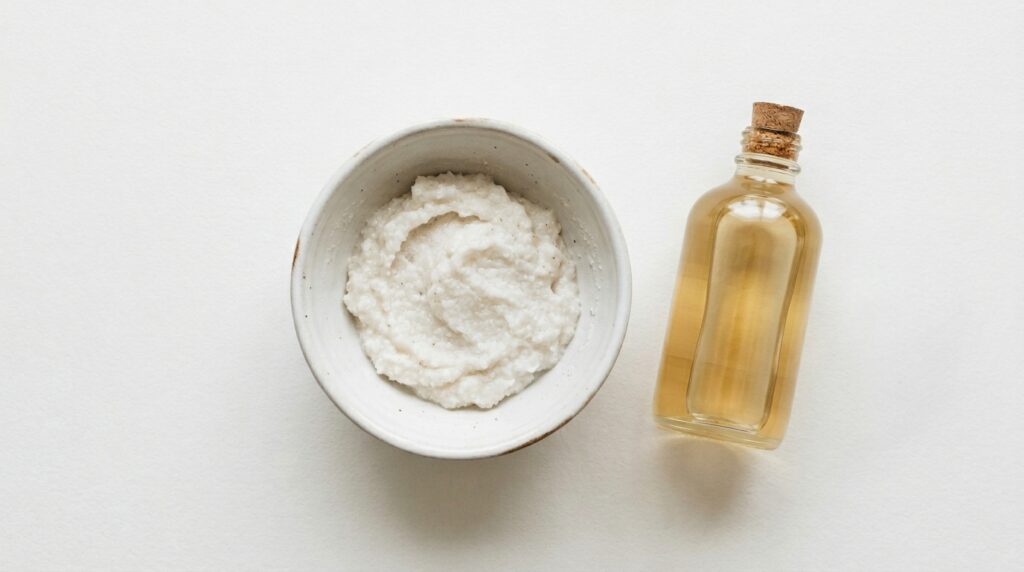
Mix equal parts baking soda and cooking oil (olive or vegetable oil work well) into a thick paste. Apply it directly to the sticky area and rub gently with a cloth or sponge. Let it sit for 30 minutes to allow deep penetration into the glue.
After the dwell time, scrub again and rinse thoroughly with soapy water. This method excels on glass jars and bottles, especially when hot water alone fails. The baking soda provides light scrubbing power while the oil dissolves the glue bond. Always wash off the oily residue afterward to prevent re-stickiness.
The Pink Stuff Cleaning Paste
Rated superior to Goo Gone and heat-based methods in real-world tests, The Pink Stuff uses glycerine and fine quartz crystals to break down adhesives on hard, nonporous surfaces like glass. Dip a damp cloth into the paste and scrub the residue in circular motions. For tough spots, let the paste sit for a few minutes before scrubbing, then rinse well with water.
Pro Tip: Avoid using this paste on plastic or acrylic near glass. Its abrasiveness can leave scratches on softer materials.
Commercial Adhesive Removers That Get the Job Done

When DIY solutions fall short, specially formulated products deliver powerful results with minimal effort.
Goo Gone and Citrus-Based Cleaners
Goo Gone, powered by citrus oil (limonene), dissolves adhesives quickly and safely on glass, metal, and plastic. Spray or apply directly to the sticky area and wait 5–10 minutes. Wipe with a clean cloth, reapplying as needed.
For curved or irregular surfaces like old jars, Goof-Off or Sherwin-Williams ‘Oops’ work exceptionally well due to their strong solvent base. However, these products emit potent fumes, so use them only in well-ventilated areas.
Caution: Both products leave an oily film. Always follow up with soap and water or glass cleaner to prevent streaking.
3M Adhesive Remover for Automotive Glass
Specifically designed for automotive glass and decals, 3M Adhesive Remover strips bumper stickers and tint glue without harming paint or seals. Spray it on, wait a few minutes, then wipe or scrape gently with a plastic tool.
This product is ideal when working around car windows or mirrors with rubber gaskets. Unlike acetone, it will not damage surrounding materials.
Household Solvents You Already Own
Many common items double as effective adhesive removers, so no special purchases are required.
Rubbing Alcohol and Hand Sanitizer
Isopropyl alcohol breaks down adhesive polymers on contact. Soak a cotton ball or lint-free cloth in rubbing alcohol (70% or higher) and press it onto the residue for 1–2 minutes. Gently rub until the glue lifts.
For quick cleanups like price tag residue on glassware, hand sanitizer works just as well thanks to its high alcohol content. This approach is best for small areas and smooth surfaces.
White Vinegar Soak
White vinegar uses acetic acid to weaken adhesive bonds. Soak a cloth or paper towel in vinegar and lay it over the sticky spot for 5–10 minutes. After soaking, wipe or gently scrub with a non-abrasive sponge.
Vinegar is natural, affordable, and safe for most glass types, though it may require repeat applications for heavy buildup. The strong odor dissipates quickly after cleaning.
Nail Polish Remover (Acetone)
Acetone is a powerful solvent found in many nail polish removers. Apply it to a cotton pad and dab onto the residue. Wait 30 seconds, then gently wipe or scrape.
While effective on some glues, acetone can smear certain adhesives instead of removing them, especially on aged labels. It also damages nearby plastics and painted surfaces, so avoid overspray and use with caution.
Using Heat to Soften Stubborn Adhesive
Heat loosens the bond between adhesive and glass, making it easier to peel or scrape off.
Hairdryer Method
Set your hairdryer to medium heat and aim it directly at the sticky area for 30–60 seconds. Keep the dryer moving to avoid thermal shock on the glass.
Once the glue softens, use a plastic scraper or fingernail to lift the edge and peel it away. This method is excellent for decal removal and works best when combined with a solvent afterward to remove any leftover film. Heat alone often is not enough for cured or industrial-strength adhesives.
Dishwasher Soak for Jars
Place glass jars or containers in the dishwasher and run a full cycle. The combination of hot water and detergent helps loosen many types of label glue.
Afterward, most paper labels come off easily, and residual glue can be wiped or scrubbed away. This hands-off option is perfect for batch cleaning multiple jars. Run the dishwasher on the hottest setting for maximum effect.
Mechanical Removal Techniques for Flat Glass

When chemicals and heat are not enough, physical removal becomes necessary. Precision is key to avoid scratches.
Razor Blade Scraping
For flat glass surfaces like windows or mirrors, a sharp razor blade is one of the fastest tools available. Hold the blade at a 30-degree angle to the glass and use short, controlled strokes. Never press down hard; let the blade glide across the surface. Use a bit of window cleaner or solvent to lubricate and lift residue.
Warning: Do not use razor blades on curved, antique, or coated glass. Any debris trapped under the blade can cause scratches.
Plastic and Window Scrapers
Plastic scrapers are safer than metal and ideal after heating the adhesive. Use them with a solvent spray to keep the surface lubricated. Adjustable window scrapers maintain consistent pressure and blade angle, reducing user error. These tools are excellent for large areas or when removing tint film residue.
Magic Eraser and Steel Wool
A Magic Eraser (melamine foam) acts as a micro-abrasive. Wet it slightly and gently scrub the sticky area. It is effective on light residue but should be used with light pressure.
For stubborn glue on durable glass like mason jars, fine steel wool (#000 or #0000) combined with oil or WD-40 can do the job. Always scrub in one direction and rinse thoroughly afterward.
Surface-Specific Strategies for Best Results

Different glass types require tailored approaches to avoid damage.
Glass Jars and Bottles
Curved surfaces make scraping difficult, so focus on chemical penetration.
- Try baking soda and oil paste with a 30-minute dwell time.
- Run jars through the dishwasher first.
- For tough, aged glue, use Goof-Off or Sherwin-Williams ‘Oops’.
Avoid metal scrapers unless the jar is thick and durable.
Windows and Large Flat Glass
Prioritize streak-free results and scratch prevention.
- Use razor blades at 30 degrees for fast removal.
- Follow with vinegar or alcohol to eliminate film.
- Finish with a streak-free glass cleaner.
Never use abrasive pastes like The Pink Stuff on windows unless you are prepared to rinse thoroughly.
Automotive Glass
Protect surrounding paint and rubber seals.
- Use 3M Adhesive Remover, which is safe on car finishes.
- Apply heat first, then scrape with plastic.
- Avoid acetone and WD-40 near painted surfaces.
WD-40 works but must be cleaned off completely to avoid attracting dust.
Safety and Best Practices You Should Never Skip
Always Test First
Before applying any chemical, especially acetone, Goo Gone, or The Pink Stuff, test on a small, hidden area. Some products can cloud or etch delicate glass or damage adjacent materials.
Ventilate the Area
Strong solvents like Goof-Off, acetone, and citrus removers release fumes. Work in a well-ventilated room or outdoors when possible. Wear gloves if you have sensitive skin or are using harsh chemicals for extended periods.
Clean Residue Immediately
Oil-based methods leave behind a film that attracts dust and can become sticky again. Always wash with soap and water or a dedicated glass cleaner after removal. Skipping this step leads to streaks and recontamination.
Avoid These Common Mistakes
- Using steel wool on delicate or antique glass
- Applying excessive pressure with scrapers
- Letting solvents dry on the surface
- Using nail polish remover on large areas, which is ineffective and messy
Troubleshooting Common Failures
Adhesive Smears Instead of Lifting
This usually means you are using the wrong solvent, like water on an oil-based glue. Switch to an oil-based solvent such as cooking oil or Goo Gone, or use a stronger chemical like alcohol or acetone. Let it dwell for several minutes before wiping.
Residue Remains After Soaking
Hot water or vinegar may soften but not fully dissolve cured adhesive. Combine mechanical action (scrubbing) with a stronger solvent. Try a baking soda paste or Magic Eraser for added abrasion.
Surface Gets Scratched
Scratches are caused by incorrect tool use, such as a dull razor blade or abrasive pad on soft glass. Use plastic scrapers, reduce pressure, or switch to liquid-only methods. For future jobs, maintain proper blade angles.
Frequently Asked Questions About Removing Adhesive from Glass
What is the best homemade adhesive remover for glass?
A paste made from equal parts baking soda and cooking oil is highly effective on glass jars and bottles. Let it sit for 30 minutes, then scrub and rinse with soapy water. White vinegar also works well for lighter residue on windows.
Can I use a razor blade to remove adhesive from glass?
Yes, but only on flat, durable glass like windows or mirrors. Hold the blade at a 30-degree angle and use short, controlled strokes. Avoid razor blades on curved, antique, or coated glass to prevent scratches.
Does vinegar remove adhesive from glass?
Yes, white vinegar uses acetic acid to weaken adhesive bonds. Soak a cloth in vinegar and apply it to the sticky area for 5–10 minutes, then wipe or scrub gently. Repeat for heavy buildup.
Will Goo Gone damage glass?
No, Goo Gone is safe for use on glass. However, it leaves an oily film that must be cleaned off with soap and water or glass cleaner afterward. Always use it in a ventilated area due to its citrus-based fumes.
How do you remove old bumper sticker residue from car windows?
Use 3M Adhesive Remover, which is specifically formulated for automotive finishes. Apply heat with a hairdryer first, spray the remover on the residue, wait a few minutes, then scrape gently with a plastic tool.
Is nail polish remover safe for removing adhesive from glass?
Nail polish remover (acetone) can work on some adhesives but may smear others, especially aged labels. It can also damage nearby plastics and painted surfaces, so use it sparingly and with caution on small spots only.
Key Takeaways for Removing Adhesive from Glass Successfully
Start with the gentlest method, such as vinegar or cooking oil, before reaching for harsh chemicals. Combine techniques like heat plus scraping or oil plus scrubbing for stubborn residue. Always rinse thoroughly after oil-based or commercial products and dry with a microfiber cloth to prevent water spots.
Matching the method to your specific glass type and adhesive age makes all the difference. With the right approach, you can restore any glass surface to its original clarity without scratches or streaks. Pick one method from this guide, gather your supplies, and tackle that sticky residue today.