
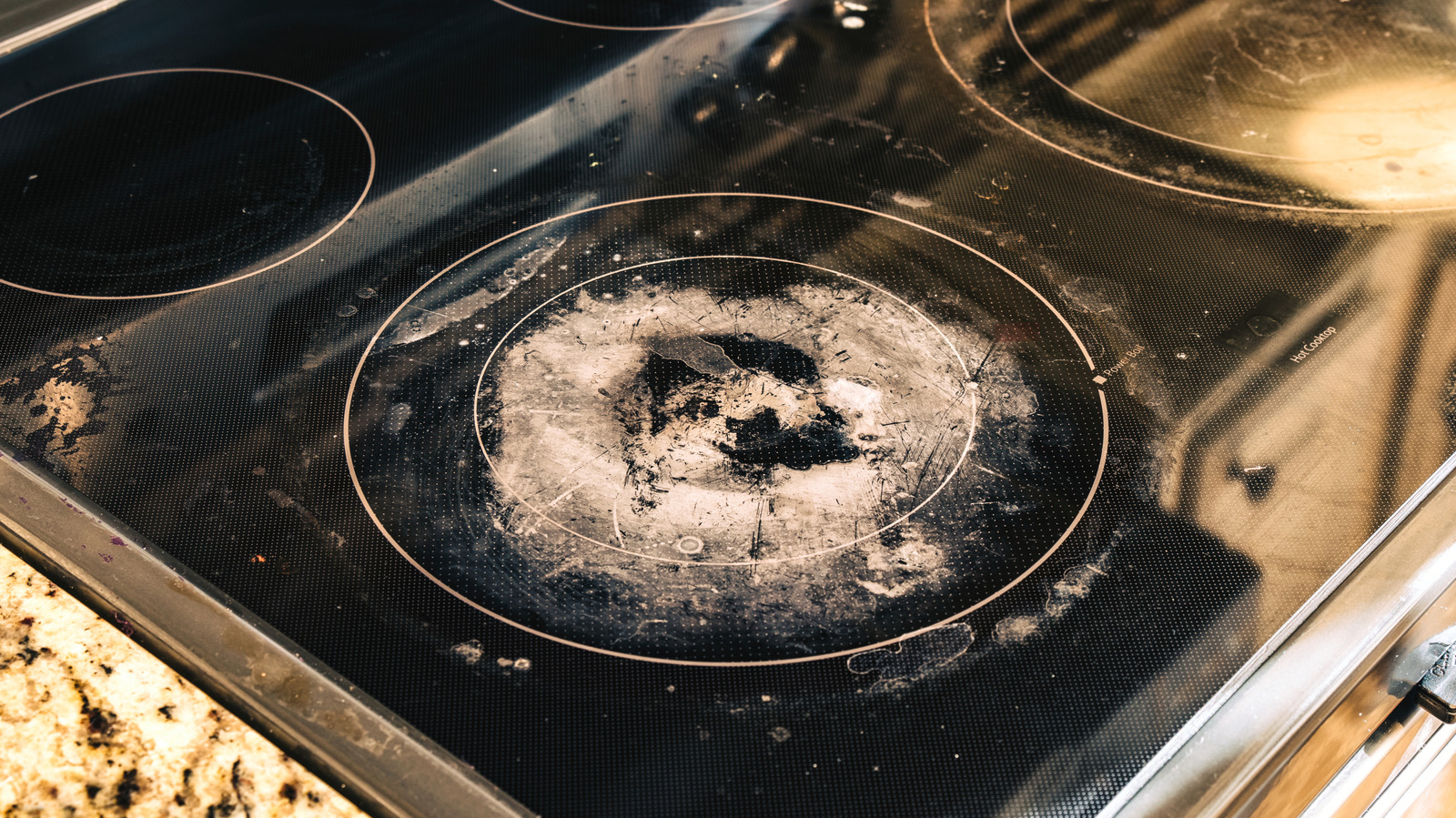
A scratch on your glass cooktop can turn a sleek, modern kitchen centerpiece into an eyesore overnight. Whether it comes from sliding a heavy pan or using the wrong cleaner, scratches are common but not always permanent. The good news is that how to remove scratches from glass cooktop depends largely on their depth and cause, and many minor to moderate marks can be significantly reduced or even eliminated with the right method.
This guide walks you through proven, safe techniques, from household staples like baking soda to professional-grade repair kits, so you can restore your cooktop’s smooth, reflective finish. You will also learn when DIY fixes work, when to call a pro, and how to prevent future damage. Whether you are dealing with light scuffs or deeper grooves, this step-by-step approach helps you act confidently without risking further harm to your appliance.
Assess Scratch Depth Before Any Repair
Before grabbing any cleaning paste or tool, determine what you are dealing with. Not all scratches respond to DIY treatment.
Identify Surface vs. Deep Scratches
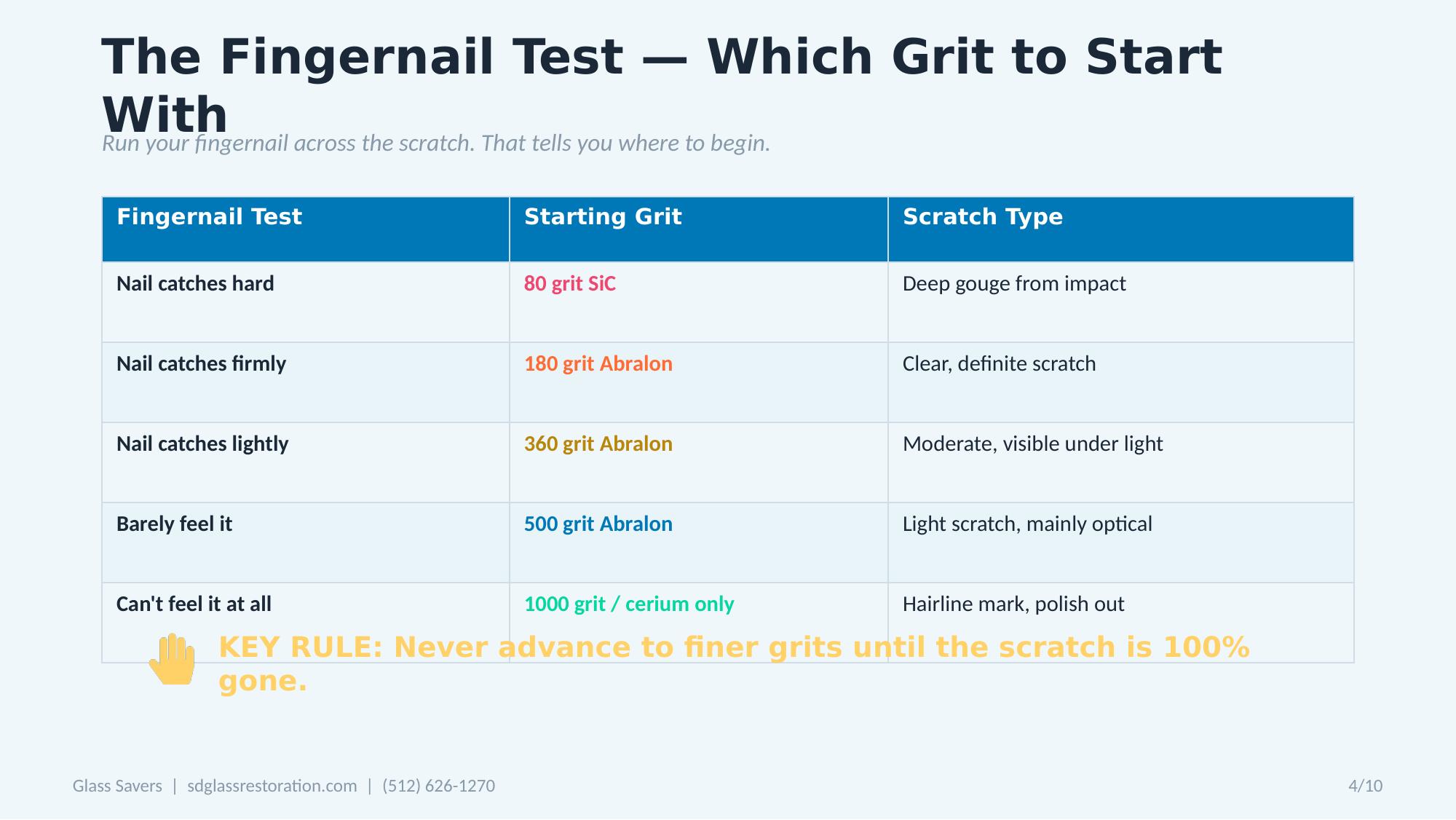
Run your fingernail across the scratch:
– Surface scratch: Your nail glides over it smoothly. These are cosmetic and respond well to polishing.
– Deep scratch or groove: Your nail catches or feels a ridge. These need more aggressive treatment or professional help.
Check for Safety Risks and Warranty Issues
- Cracks or spidering: Stop use immediately. A cracked cooktop is a fire and electrical hazard.
- Scratches over heating elements: May interfere with heat distribution. Avoid abrasive treatments and consult the manufacturer.
- Warranty status: Some methods, like razor blades, may void your warranty. Always check your user manual first.
Use Baking Soda Paste for Light Scratches

Best for: Minor scuffs and surface-level marks.
Baking soda is mildly abrasive and safe for glass-ceramic surfaces when used correctly. It is a go-to for quick fixes.
Apply Paste with Gentle Pressure
- Clean the area: Wipe with soapy water and dry completely.
- Mix paste: Combine 2 tsp baking soda with 1 tsp water. Aim for a thick, wet consistency. Never use dry baking soda or a runny mixture, as dry particles can cause further micro-scratches.
- Rub in circles: Use a soft sponge or microfiber cloth. Apply light pressure for 1–2 minutes.
- Let sit: 5–10 minutes. Do not let it dry completely.
- Wipe and dry: Remove with a damp cloth, rinse, then buff dry.
Repeat if Needed
One round may not erase deep scuffs. Repeat 2–3 times, checking progress. Most users see improvement after the second pass.
Pro tip: This method works best on white or light-colored scratches caused by metal utensils.
Try Whitening Toothpaste for Tactile Scratches
Best for: Slightly deeper marks you can feel.
Whitening toothpaste contains gentle abrasives that polish glass similarly to how they whiten teeth.
Choose the Right Toothpaste
- Use non-gel, whitening formula (e.g., Crest, Colgate).
- Avoid gel or sensitivity formulas, as they lack polishing agents.
Buff Out the Scratch
- Clean and dry the cooktop.
- Apply toothpaste directly to the scratch.
- Rub gently in small circles with a soft cloth for 1–2 minutes.
- Wait 5–10 minutes, then wipe with a damp cloth.
- Dry and inspect. Repeat if the scratch fades but remains.
Warning: Do not scrub hard. Excessive pressure can spread the scratch.
Apply Commercial Scratch Removers

Best for: Stubborn scratches that resist home remedies.
Store-bought products are formulated specifically for glass-ceramic surfaces and often deliver better results than DIY options.
Pick the Right Product
Look for:
– Cerama Bryte Cooktop Cleaning Polish
– Weiman Cooktop Scrub
– Last Touch Glass & Surface Restorer
Avoid generic scratch removers meant for cars or phones.
Follow Safe Application Steps
- Patch test in a corner first.
- Clean the surface thoroughly.
- Apply a dime-sized amount to a microfiber cloth.
- Buff in circles for 1–2 minutes.
- Wipe off residue with a clean, dry cloth.
Restore Shine After Treatment
Many removers leave an oily film. Finish with a glass cooktop cleaner to restore clarity and prevent smoke during cooking.
Use Razor Blade with Cerama Bryte for Deep Scratches
Best for: Burnt-in debris, rough edges, or deep grooves.
This method is powerful but high-risk. Use only if your manual allows it.
Confirm Compatibility First
Some cooktops prohibit blade use. Check your model’s guide before proceeding.
Scrape at 45 Degrees
- Apply Cerama Bryte cleaner to the area.
- Use a single-edge razor scraper (not a utility knife).
- Hold at a 45° angle, which is critical to avoid gouging.
- Scrape along the scratch, not across.
- Use minimal pressure. Let the blade glide.
- Wipe away dust immediately with a microfiber cloth.
Polish After Scraping
Reapply cleaner and buff the entire area to blend the surface and restore luster.
Never use on cracked glass or near cracked edges.
Restore with a Glass Repair Kit

Best for: Moderate scratches needing professional-grade results.
These kits include fine abrasives and polishing pads for deeper restoration.
Choose a Quality Kit
Look for:
– Diamond-based compounds
– Multiple grit pads (coarse to fine)
– Lint-free cloths
Examples include Rain-X Scratch Remover and NOVUS Plastic Polish, which works on glass-ceramic.
Polish in Stages
- Clean and dry the surface.
- Apply compound to the scratch.
- Buff with coarse pad using light circular motion.
- Switch to finer pad to smooth the area.
- Finish with polish for shine.
Work slowly, as overheating can damage glass.
Know When to Call a Pro or Replace
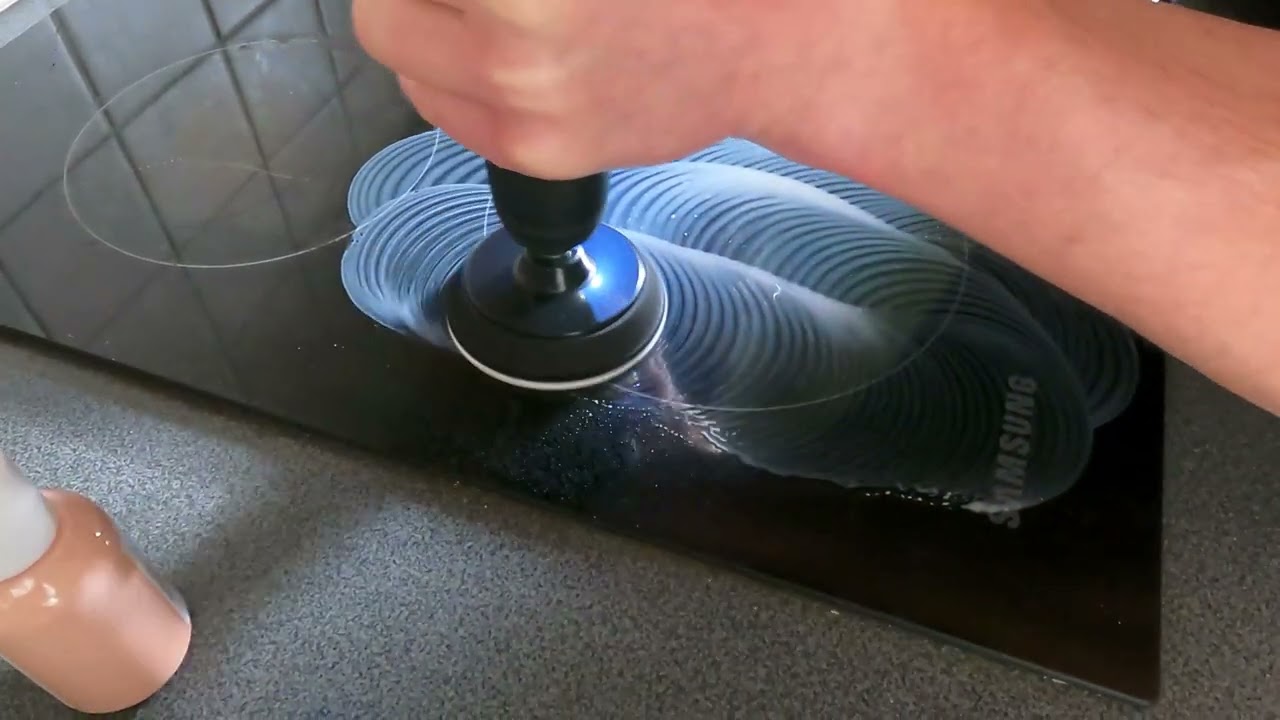
DIY methods have limits. Recognize when it is time for expert help.
Seek Professional Restoration
- Scratches are deep and widespread.
- You own a high-end model (e.g., Wolf, Miele).
- You want factory-level results without risk.
Professionals use rotary polishers with diamond pastes to level the surface safely.
Replace the Cooktop If
- Cracks are present, since even small ones can spread.
- Damage is over a burner, posing a risk of electrical failure.
- Glass feels unstable or has chipped edges.
- Scratches trap grime and cannot be sanitized.
Cost note: Replacement glass panels range from $150–$600, plus labor. Full unit replacement starts at $800+.
Prevent Future Scratches on Your Cooktop
:max_bytes(150000):strip_icc()/Cookware-Glass-Top-Stove-GK-72a1d6f6a1a74459acafcd0d7902dd11.jpg)
The best repair is no repair. Protect your cooktop with smart habits.
Use Scratch-Safe Cookware
- Best: Smooth-bottom stainless steel, enameled cast iron.
- Avoid: Rough cast iron, stoneware, or warped pans.
- Check regularly: Clean debris from pan bottoms.
Lift Pots, Don’t Slide
Never drag pots across the surface. Lift them when repositioning.
Use Trivets and Mats
- Silicone trivets protect when placing hot pans.
- Glass cooktop protectors (controversial): Only use if labeled safe, as some trap heat.
Clean Properly to Avoid Damage
Clean After Every Use
Burnt sugar, food, or plastic can etch glass. Wipe while warm (not hot) with a damp cloth.
Use the Right Tools
- Safe: Microfiber cloths, soft sponges, paper towels.
- Unsafe: Steel wool, scouring pads, Magic Erasers.
Myth: Magic Erasers seem effective but contain melamine foam, a fine abrasive that causes micro-scratches over time.
Choose Cooktop-Safe Cleaners
- Use: Cerama Bryte, Weiman, or manufacturer-recommended cleaners.
- Avoid: Ammonia-based or regular glass cleaners, since they degrade coatings.
Frequently Asked Questions About Glass Cooktop Scratches
Can deep scratches be completely removed?
Not fully. DIY methods can smooth edges and reduce visibility, but deep grooves often remain. Professional polishing may help.
Is a scratched cooktop safe to use?
Surface scratches are safe. Cracks or deep grooves over burners are not. Stop use and consult a technician.
Does vinegar remove scratches?
No. Vinegar cleans stains and mineral deposits but lacks abrasives to polish glass.
Are Magic Erasers safe for glass cooktops?
No. They scratch the surface over time. Avoid them.
How often should I clean my cooktop?
After every use. Immediate cleaning prevents buildup and reduces scrubbing.
What is the difference between scratch-resistant and scratch-proof?
Scratch-resistant means better than standard glass but still vulnerable. Scratch-proof is a marketing myth. No glass cooktop is immune to scratches.
Can I use regular glass cleaner?
Not recommended. Many contain chemicals that damage the glass-ceramic coating or leave burnable residue.
Key Takeaways for Removing Glass Cooktop Scratches
Most light scratches on a glass cooktop can be minimized or removed with baking soda, whitening toothpaste, or commercial polish. Deep or risky damage requires professional assessment, and cracked glass always calls for replacement.
Start by assessing the scratch with your fingernail to choose the right method. Always patch test commercial products, avoid abrasive tools like Magic Erasers, and never use a razor blade without checking your warranty first. With the right technique and consistent care, your cooktop can stay smooth and shiny for years.