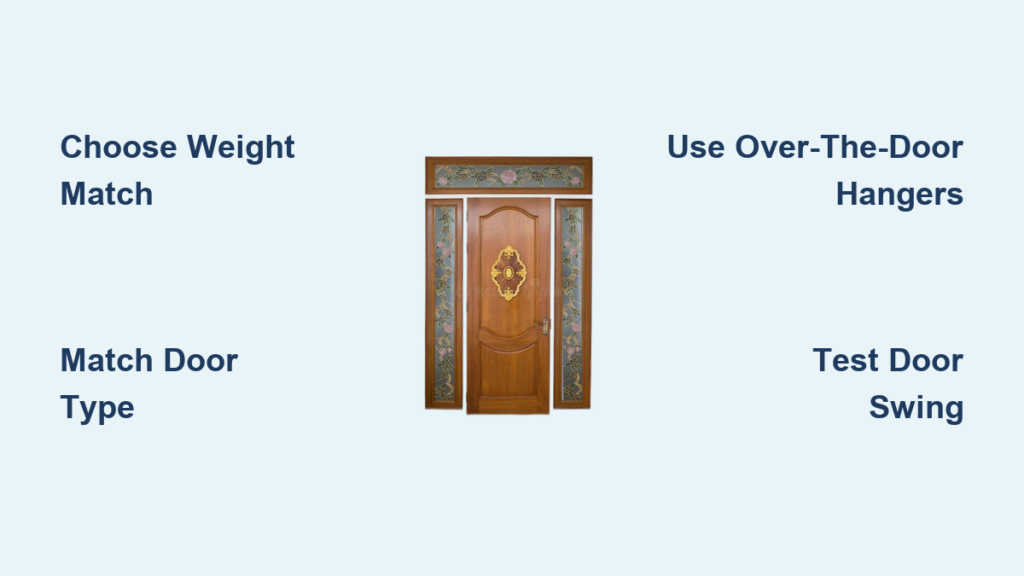
Mounting a mirror on a door is a practical solution for small apartments, closets, and entryways where wall space is limited. Whether you’re installing a lightweight decorative piece or a full-length dressing mirror, choosing the right mounting method ensures a secure, damage-free installation. This guide covers every option from adhesive strips to over-the-door hangers, helping you hang your mirror safely and level.
Choose Based on Mirror Weight
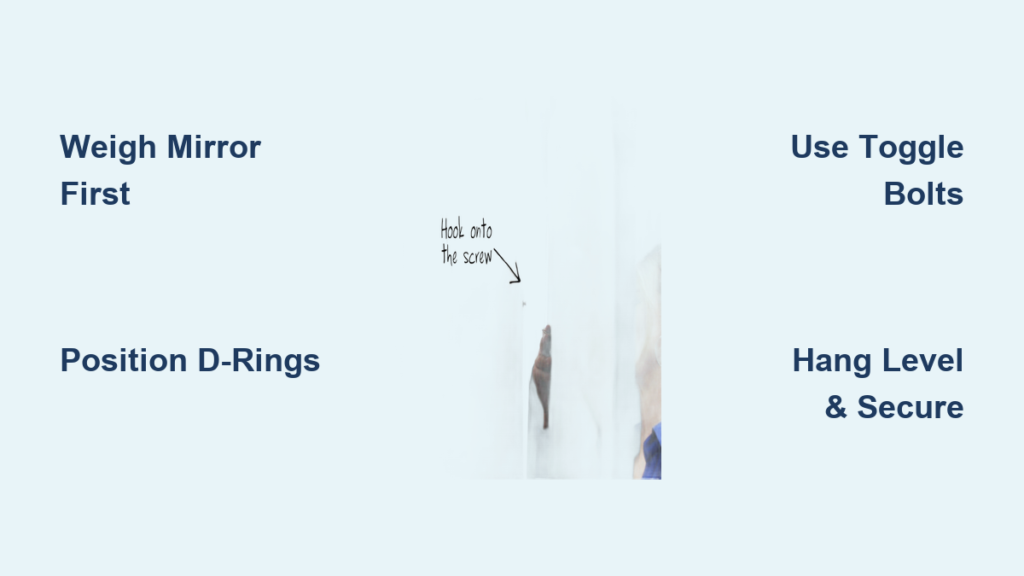
The first step in learning how to put a mirror on a door is determining its weight. This single factor dictates which mounting method will hold safely.
Lightweight Mirrors Under 10 lbs
Ideal for adhesive strips, Velcro tape, or double-sided mounting pads. These mirrors include small round vanity mirrors, framed accent pieces, or thin plastic-backed models.
Best method involves using 3M Command Strips with at least two strips on each side for even weight distribution. Always clean the surface with alcohol before applying. Avoid placing in humid areas like bathrooms unless strips are moisture-rated.
Medium-Weight Mirrors 10 to 20 lbs
Typical of full-length framed mirrors or larger frameless glass panels. These require stronger support.
Best method involves over-the-door hangers with adhesive stabilizers. You can also use heavy-duty Velcro or industrial double-sided tape if no top clearance exists. Always check for door compatibility, especially on hollow-core doors.
Heavy Mirrors Over 20 lbs
Not recommended for DIY adhesive or hanger-only methods unless specifically designed for this weight category.
Best method involves professional installation or reinforced over-the-door aluminum brackets. Avoid standard Command products for these heavier units. If drilling is allowed, use E-Z Anchors with screw-mounted clips.
Match Method to Door Type
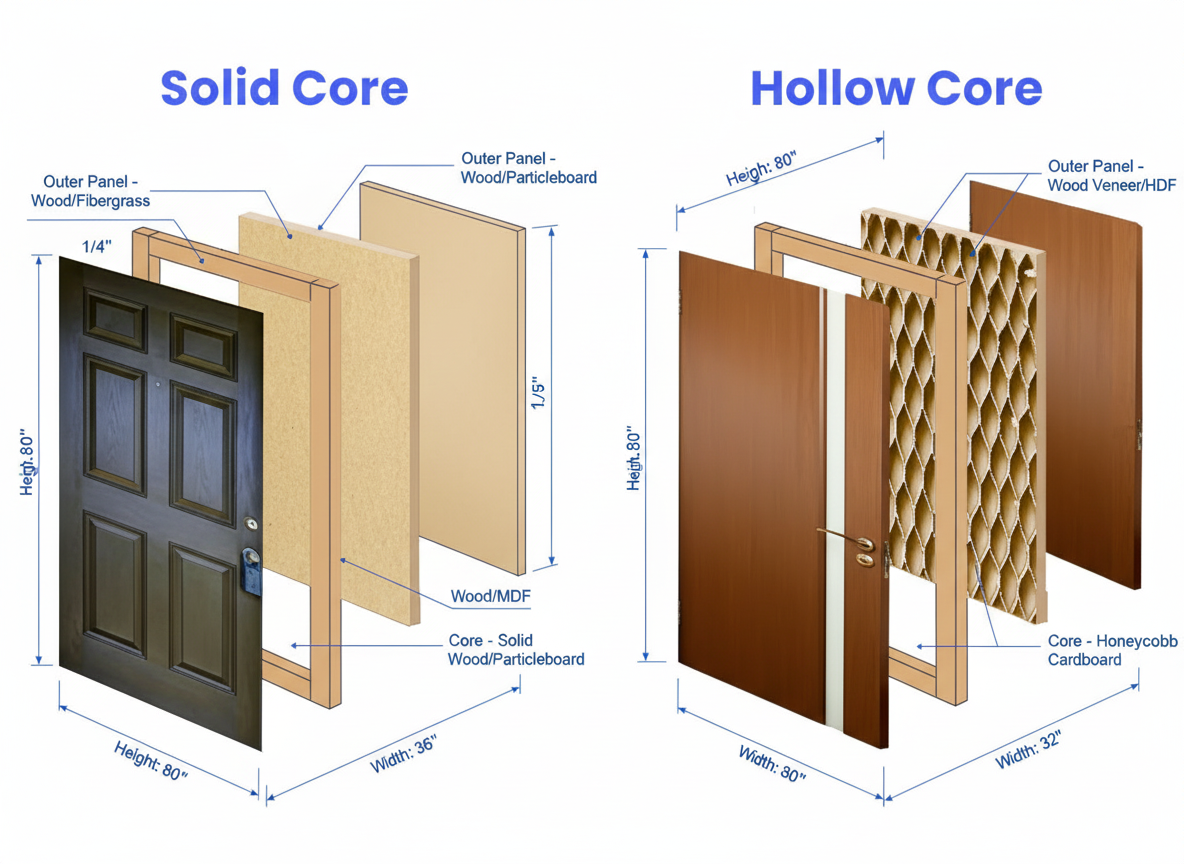
Your door’s material and structure determine what will hold and what might fail.
Solid Wood Doors
Strong and stable, ideal for any mounting method.
Safe for screws, clips, epoxy, or heavy-duty tape. Pre-drill holes to avoid splitting. Use mirror clips for frameless glass and brackets for framed units.
Hollow Core Doors
Common in interior rooms, weak at the edges and top.
Avoid standard screws without anchors. Best method involves over-the-door hangers with no drilling required. If using adhesives, ensure full contact and clean, dry surfaces. Use E-Z Anchors if screws are necessary, as they provide toggle-like support.
Metal or Glass Doors
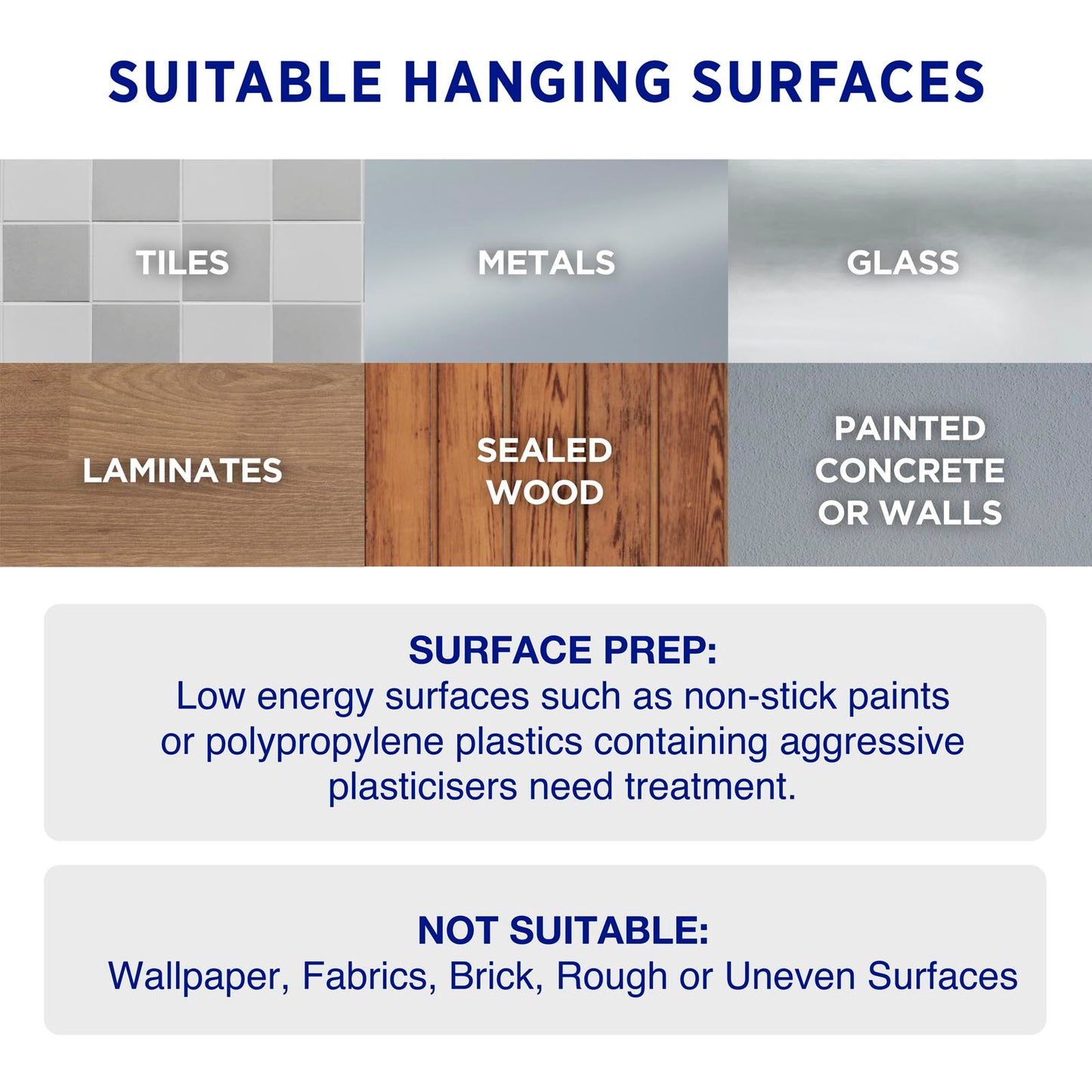
Non-porous surfaces require special adhesives.
Use 3M VHB tape or mirror-safe RTV silicone. Clean with isopropyl alcohol before application. Test a small area first to ensure adhesion.
Painted or Laminated Doors
Adhesives may peel finish when removed.
Always test in a hidden corner first. Use Command Strips designed for clean removal. For renters, avoid permanent tapes or glue.
Install with Over-the-Door Hangers
Most full-length mirrors use this method. It is the standard approach for how to put a mirror on a door without causing damage.
Attach Brackets to Mirror
Lay mirror face-down on a soft blanket. Locate alignment dots or Position to Drill marks on the back frame. Hold metal bracket in place and insert one screw at a time using a hand drill. Repeat for the second bracket on the opposite side.
Use a hand drill because manual screwdrivers often strip the screws.
Hang and Stabilize
Lift mirror and hook brackets over the top of the door. Ensure hooks face backward so the mirror hangs forward. Press adhesive pads onto inner lower corners of the frame. These pads prevent swaying and reduce noise when the door moves.
Add Command strips to the bottom sides for extra stability.
Check Clearance
Open and close the door slowly. Ensure mirror does not hit the wall, jamb, or adjacent furniture. If door won’t close, consider a slimmer-profile hanger or reposition the mirror.
Secure with Adhesive Strips
Great for renters or lightweight mirrors. No tools required and no damage to the door.
Use 3M Command Strips
Clean mirror back and door with alcohol wipe. Cut strips to fit edge or use pre-sized versions. Press firmly for 30 seconds after attachment. Wait one hour before hanging per manufacturer instructions.
Calculate How Many You Need
Standard strip handles 4 lbs. Large hook strip handles 7.5 lbs. Jumbo strip handles 16 lbs.
Formula: Mirror weight divided by 16 equals minimum number of jumbo strips. Round up to the nearest even number for balance.
Example: 12-lb mirror equals 12 divided by 16 equals 0.75. Use 2 strips, one per side.
Apply Heavy-Duty Double-Sided Tape
For semi-permanent or high-hold installations where removal is not a priority.
Use 3M VHB Tape
This is not regular tape. Very High Bond tape is required. It can hold over 100 lbs with sufficient surface area. Ideal for flat, frameless mirrors on smooth doors.
Application Steps
Cut tape to match mirror edge. Apply to clean, dry surface on mirror back. Peel liner and press firmly onto door. Use a roller or squeegee to eliminate air bubbles. Wait 24 to 72 hours for full bond strength.
VHB is nearly permanent. Removal may damage paint or leave residue.
Mount with Mirror Clips
Best for frameless or minimalist mirrors on solid doors.
Install Plastic or Metal Clips
Mark three points per side on mirror edge, including top, middle, and bottom. Transfer marks to door using a level. Pre-screw clips into door but leave slightly loose. Slide mirror into place, then tighten gently.
Avoid overtightening, which can crack glass edges.
Clip Quantity Guide
Small mirrors require 4 clips, one per corner. Full-length mirrors require 6 clips, three per side. Heavy mirrors require metal clips for durability.
Use Velcro for Reversible Hold
Surprisingly strong when done correctly. Especially useful for renters.
Apply 3M Velcro Tape
Cut Velcro to fit top and sides of mirror back. Apply more tape to the upper half, which handles most of the load. On the door, press only the ends of Velcro first. Align mirror using a level, then press fully into place.
The advantage is fully removable with minimal residue. The limitation is that few Velcro products exceed 10 to 20 lbs capacity. Check specs carefully before purchasing.
Restore Antique Rabbet-Mounted Mirrors
For vintage cabinets, wardrobes, or built-in closet doors.
Fit Into Rabbet Groove
Measure rabbet depth, typically 3/8 inch. Ensure mirror fits snugly with room for stops or adhesive. Place acid-free paper or cardboard behind mirror to prevent scratching.
Secure Without Visible Hardware
Use glue blocks, which are small wood wedges glued into rabbet corners. Use a backboard, which is a plywood sheet screwed over the entire back. Use mirror mastic, which is non-acidic adhesive applied in beads around edges.
Paint the rabbet to match surrounding wood. This hides gaps in the reflection.
Combine Methods for Maximum Security
Do not rely on one method for medium or heavy mirrors.
Hanger Plus Adhesive Combo
Use over-the-door bracket as primary support. Add Command strips or VHB tape at bottom and sides. This prevents swaying and lateral movement.
This combination works best for full-length mirrors on hollow-core doors.
Tools You Will Actually Need
You do not need a full toolbox. Just a few essentials.
Tape measure confirms mirror and door dimensions. A level is critical for straight installation. A hand drill prevents stripped screws in brackets. Alcohol wipes clean surfaces for adhesives. A pencil marks alignment points lightly. Gloves and eye protection provide safety first with glass.
Use painter’s tape on mirror back to transfer screw positions accurately.
Avoid Common Mistakes
Even simple projects can go wrong without attention to detail.
Skipping the Level
A tilted mirror is instantly noticeable. Always use a 4-foot level for full-length units.
Overloading Adhesives
One user applied standard tape to a 20-lb mirror. It fell in 3 weeks. Always check weight ratings before proceeding.
Ignoring Door Clearance
A mirror that hits the wall when the door opens will eventually crack. Test swing range before finalizing position.
Using Non-Mirror-Safe Adhesive
Some glues contain acid that corrodes the silver backing. Use only RTV silicone or mirror mastic.
When to Hire a Professional
Consider a handyman if the mirror weighs over 20 lbs. Also hire help if door structure is uncertain, whether hollow, warped, or old. Finally, seek professional help if you are uncomfortable with tools or glass handling.
Benefits include proper anchors, perfect leveling, and long-term safety.
Final Tips for Long-Term Success
Inspect mounts every 6 to 12 months for loosening. Avoid bathrooms with poor ventilation because humidity weakens adhesives. Use safety-backed mirrors in homes with kids or pets. Paint rabbets in antique restorations for a seamless look.
Frequently Asked Questions About Putting a Mirror on a Door
Can I mount a mirror on a door without drilling?
Yes, you can use over-the-door hangers, adhesive strips like 3M Command Strips, or Velcro tape. These methods work well for renters or anyone avoiding permanent holes in their door.
What is the strongest adhesive for mounting a mirror on a door?
3M VHB tape is the strongest option, capable of holding over 100 lbs. However, it is nearly permanent and difficult to remove without damaging the surface. For lighter mirrors, Command Strips offer strong holding power with easy removal.
How much weight can Command Strips hold for mirror mounting?
Standard Command Strips hold up to 4 lbs. Large hooks hold 7.5 lbs. Jumbo strips hold 16 lbs each. Calculate how many you need by dividing your mirror weight by 16 and rounding up to an even number.
Can I put a heavy mirror over 20 lbs on a door?
Standard adhesive methods are not recommended for mirrors over 20 lbs. Use reinforced over-the-door hangers designed for heavy mirrors, or hire a professional for safe installation.
Will adhesive strips damage my door when removed?
3M Command Strips are designed for clean removal. However, other adhesives, especially VHB tape, may damage paint or leave residue. Always test in an inconspicuous area first, especially on painted or laminated doors.
Key Takeaways for Putting a Mirror on a Door
Knowing how to put a mirror on a door safely and securely comes down to three things: weight, method, and surface prep. Always weigh your mirror first and choose a mounting solution that exceeds that weight capacity. Lightweight mirrors under 10 lbs work well with Command Strips or Velcro. Medium mirrors from 10 to 20 lbs need over-the-door hangers with adhesive stabilization. Heavy mirrors over 20 lbs require professional installation or reinforced hardware.
Match your mounting method to your door type. Solid wood doors accept screws and clips. Hollow core doors require over-the-door solutions or E-Z Anchors. Metal and glass doors need special adhesives like VHB tape. Clean all surfaces thoroughly with alcohol before applying any adhesive.
Test the door swing after installation to ensure the mirror clears all obstacles. Inspect your mounting every 6 to 12 months to catch any loosening before a fall occurs. With the right approach, your door-mounted mirror will provide years of reliable service while saving valuable floor and wall space.