A loose or hanging side mirror isn’t just an eyesore, it’s a safety hazard that compromises your rear visibility on the road. Whether your mirror dangles after a parking lot bump or came loose from years of vibration, fixing a hanging side mirror with glue is a fast, affordable solution that can save you hundreds of dollars versus professional repair. With the right adhesive and proper technique, you can restore full functionality and safety without visiting a mechanic.
This guide walks you through choosing the right glue, step-by-step repair methods, and pro tips to ensure your fix lasts for years. From simple glass reattachment to structural reinforcement of cracked housings, you will learn exactly how to repair your mirror and avoid common mistakes that lead to bond failure.
Choose the Right Adhesive for Your Mirror Repair
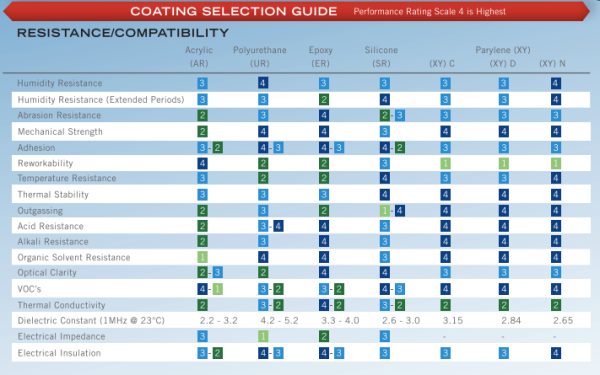
Not all glues work for car mirrors. The wrong adhesive cracks under heat, fails in rain, or breaks from road vibrations. Your success depends entirely on selecting an adhesive suited to your specific damage type.
Best Adhesives for Structural Repairs
Two-part epoxy ranks as the top choice when the mirror housing is cracked or the support arm broke. JB Weld offers tensile strength up to 5,020 psi and withstands temperatures from -67°F to 500°F. Full cure takes 15 to 24 hours, and it bonds effectively to plastic, metal, and ceramic surfaces.
PL Premium polyurethane adhesive works excellently for reattaching entire mirror assemblies. This budget option costs around $5, cures in 24 hours, and provides excellent weather resistance. Apply it in a thin bead using a caulk gun.
Best Adhesives for Mirror Glass Reattachment
Use automotive silicone adhesive when the glass popped off but the housing remains intact. Products like Permatex or 3M Automotive Mirror Adhesive remain rubbery after curing, which absorbs vibrations effectively. This type cures in 24 hours and creates a nearly invisible bond when applied cleanly.
Adhesives to Avoid
Gorilla Glue expands up to 4 times during cure and can misalign mirror components. Super glue becomes brittle and fails under vibration and heat. Hot glue melts in sunlight and offers zero structural strength. Craft glue dissolves in rain and lacks weatherproofing.
Fix a Loose Mirror Glass with Adhesive
Use this method when the mirror glass detached but the housing and wiring remain intact. This repair typically costs under $15 and takes a weekend to complete.
Tools and Materials Needed
Gather safety gloves and goggles, a plastic trim tool or flat screwdriver, isopropyl alcohol, automotive mirror adhesive, masking tape, and a damp cloth. A heat gun is optional but helps soften old adhesive.
Step-by-Step Glass Reattachment
First, wear gloves and eye protection. Use a heat gun for 30 to 60 seconds to soften old adhesive, then gently pry the glass out using a plastic tool to avoid scratching the housing. Place broken glass in a sealed container for disposal.
Next, clean both the mirror back and housing with isopropyl alcohol. Remove all grease, dust, and old adhesive residue. Lightly sand smooth plastic with fine-grit sandpaper to improve adhesion.
Apply the adhesive in a half-inch-wide bead around the edge or in a zig-zag pattern on the mirror back. Do not overapply, as excess can ooze into your view.
Press the glass firmly into place and align correctly for clear rear visibility. Wipe away squeeze-out immediately with a damp cloth. Secure with masking tape overnight.
Wait at least 24 hours before driving or using power adjustment motors. Premature use breaks the bond before it reaches full strength.
Repair a Cracked or Hanging Mirror Housing
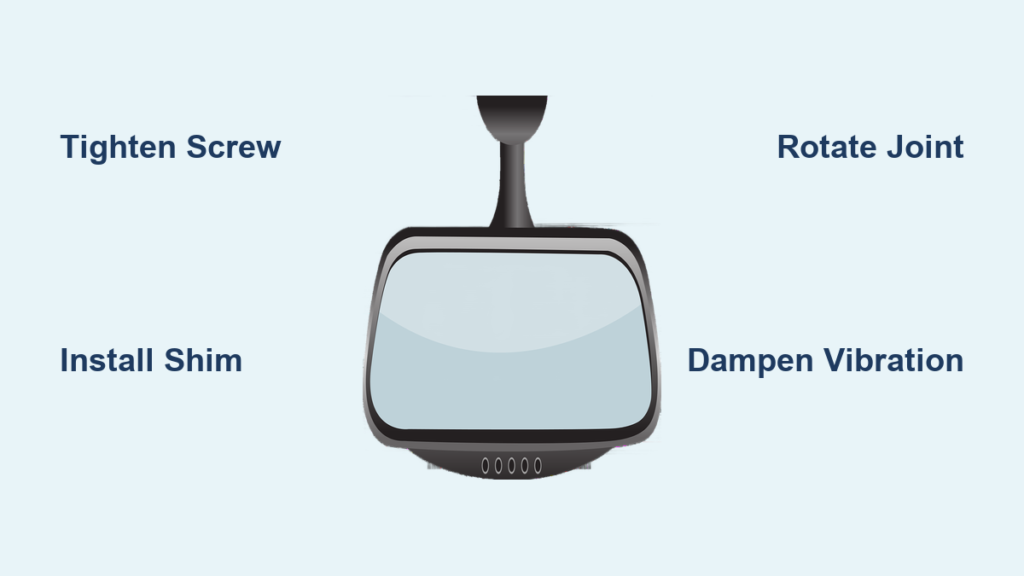
When the mirror hangs due to a broken plastic arm or cracked base, glue alone is insufficient. You need mechanical reinforcement combining epoxy, screws, and a mending plate for a permanent fix.
Materials Required
Gather JB Weld or Loctite Clear Epoxy, a two-and-a-half-inch four-hole mending plate in steel or aluminum, matching screws, a drill with an eighth-inch bit, wide washers, outdoor-rated black silicone caulk, and optional touch-up paint.
Reinforcement Repair Procedure
Clean the broken area with alcohol. If the housing is cracked, drill eighth-inch pilot holes at each end to stop the crack from spreading. Remove all debris and let the area dry completely.
Bend the mending plate slightly to match the mirror curvature. Position it over the break so it spans both sides of the fracture. Mark screw points through the plate holes and drill pilot holes slightly smaller than your screw diameter.
Mix epoxy thoroughly and apply it to both the broken support surface and the back of the mending plate. This creates a dual bond combining chemical adhesion with mechanical strength from the screws.
Insert screws with wide washers under the heads. Tighten snugly but avoid stripping the plastic. Do not fully torque until the epoxy sets.
Apply silicone caulk around all screw heads, plate edges, and any gaps to seal against water intrusion. Smooth with a finger for a clean finish. Paint the cured caulk if desired to match your car color.
Reconnect any loose wires by hand and insulate with electrical tape or heat shrink tubing. No soldering is required if the connectors remain intact.
Prevent Future Mirror Failures
A hanging mirror often returns if moisture, vibration, or poor surface prep weakens the bond. Take these steps to avoid repeat repairs.
Add a Backup Retention System
Even the strongest glue can eventually fail. Install a safety net by threading a thin wire or zip tie through existing holes and attaching it to a solid point behind the housing. This prevents total detachment if the glue lets go.
Allow Proper Cure Time
Wait a minimum of 24 hours before driving. Avoid adjusting the mirror or touching the bonded area during curing. Cold or humid weather extends necessary cure time, so add extra hours in adverse conditions.
Inspect Regularly
Check the mirror every few weeks for wobble, water inside the housing, or cracks in the adhesive. Reseal with silicone immediately if you notice any degradation.
When to Skip DIY Repair
Some mirror issues require professional replacement rather than glued repair.
Replace Instead If Your Mirror Has
Blind-spot sensors, cameras, or folding motors often require professional recalibration. Damaged electrical connectors need expert attention. A housing too shattered to support screws cannot be repaired effectively. If you cannot access the backside for reinforcement, professional help is needed.
Alternative Options
Buy a used mirror from salvage yards or eBay for $20 to $100. Contact the manufacturer for potential goodwill replacements. Visit an auto glass shop and ask about leftover urethane adhesive at a discount.
Compare Repair Methods
| Method | Lifespan | Strength | Cost |
|---|---|---|---|
| Epoxy Only | 2+ years | High | $10 |
| PL Premium | Years | High | $5 |
| Silicone Glass | 1-3 years | Moderate | $10 |
| Super Glue | 1-6 months | Low | Under $10 |
| Plate + Epoxy + Screws | 3+ years | Very High | Under $15 |
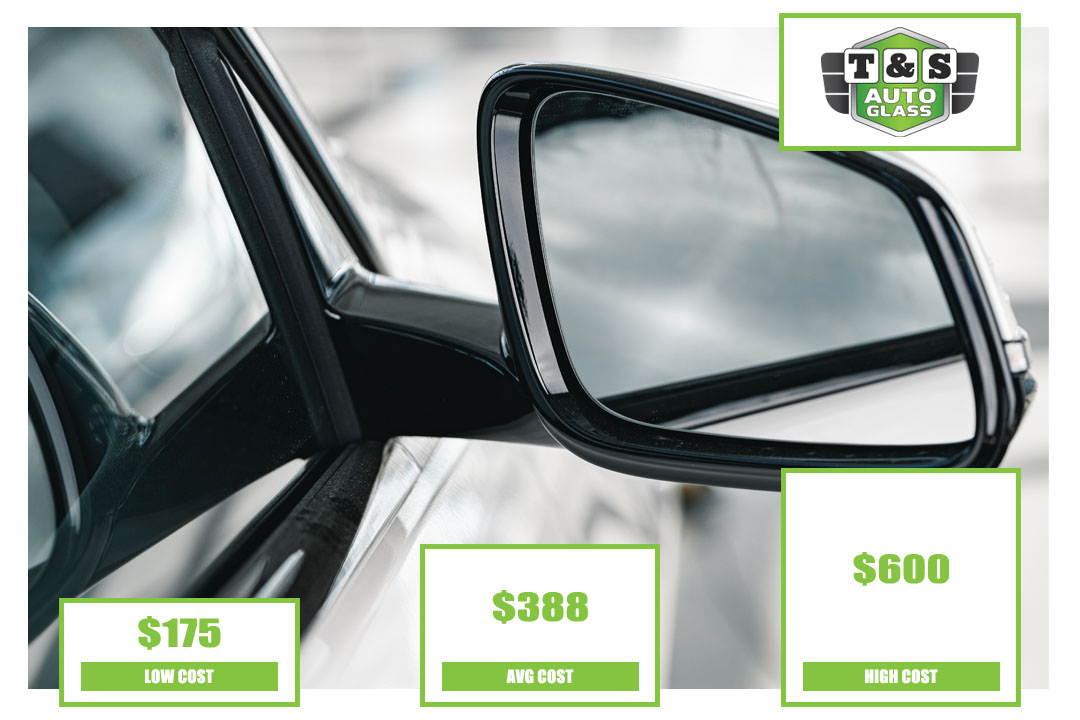
| OEM Replacement | 5-10+ years | Factory | $250+ |
DIY repairs save up to 98% compared to dealership costs while providing lasting results when done correctly.
Frequently Asked Questions About Fixing a Hanging Side Mirror with Glue
Can I use regular Gorilla Glue to fix my side mirror?
No. Gorilla Glue expands up to 4 times its volume during curing, which pushes components out of alignment and creates a messy bond. This expansion can damage surrounding areas and misalign your mirror. Use JB Weld or automotive silicone instead.
How long does mirror adhesive take to cure?
Most adhesives require 24 hours for full cure before driving. Silicone adhesives skin over in 1 to 2 hours but need the full day to reach maximum strength. Epoxies set in 4 to 6 hours but take 15 to 24 hours for full tensile strength.
Will my repaired mirror survive highway speeds?
Yes, when properly repaired with epoxy and mechanical reinforcement. Users report that JB Weld repairs with mending plates last for years even at highway speeds. The key is allowing full cure time and sealing all gaps against moisture.
Can I repair a mirror with heating elements myself?
You can, but disconnect the battery before starting to prevent electrical shorts. Reconnect any heating element wires carefully and insulate with electrical tape. If the heating element itself is damaged, professional replacement is recommended.
What is the best glue for reattaching mirror glass specifically?
Automotive silicone adhesive like Permatex or 3M Automotive Mirror Adhesive works best for glass reattachment. It remains flexible after curing, absorbs vibrations, and creates a nearly invisible bond. Standard silicone caulk is too difficult to remove cleanly.
Key Takeaways for Fixing Your Hanging Side Mirror

Fixing a hanging side mirror with glue works when you select the right adhesive for your specific damage. Use two-part epoxy like JB Weld for structural repairs involving cracked housings or broken arms. Use automotive silicone adhesive for mirror glass reattachment. Always clean surfaces thoroughly with isopropyl alcohol before applying any adhesive.
Mechanical reinforcement with a mending plate and screws provides the most durable repair, potentially lasting the life of your vehicle. Seal all screw joints with silicone caulk to prevent water intrusion and corrosion. Wait the full 24 hours cure time before driving, and consider adding a backup retention system like a zip tie for extra safety.
With proper prep and the right materials, your DIY repair can match or exceed factory durability while saving hundreds of dollars. Gather your tools, choose your adhesive, and complete this repair over a weekend for reliable results.