If you’ve ever driven at night and flipped the lever on your rear view mirror to reduce glare from headlights behind, you’ve used one of the most cleverly engineered safety tools in your car. The rear view mirror may look like a simple piece of glass, but it is actually a precision optical device designed to enhance visibility, reduce eye strain, and prevent accidents. Whether manual or automatic, modern rear view mirrors use physics, materials science, and electronics to keep drivers aware and safe. In this guide, you will learn exactly how rear view mirrors work, from the basic wedge-shaped glass in older models to today’s smart electrochromic systems that dim automatically.
Manual Rear View Mirror Design and Optical Principles

The traditional manual rear view mirror relies on a surprisingly elegant optical trick to switch between bright day mode and dim night mode, and no electronics are required.
Wedge-Shaped Glass Explained
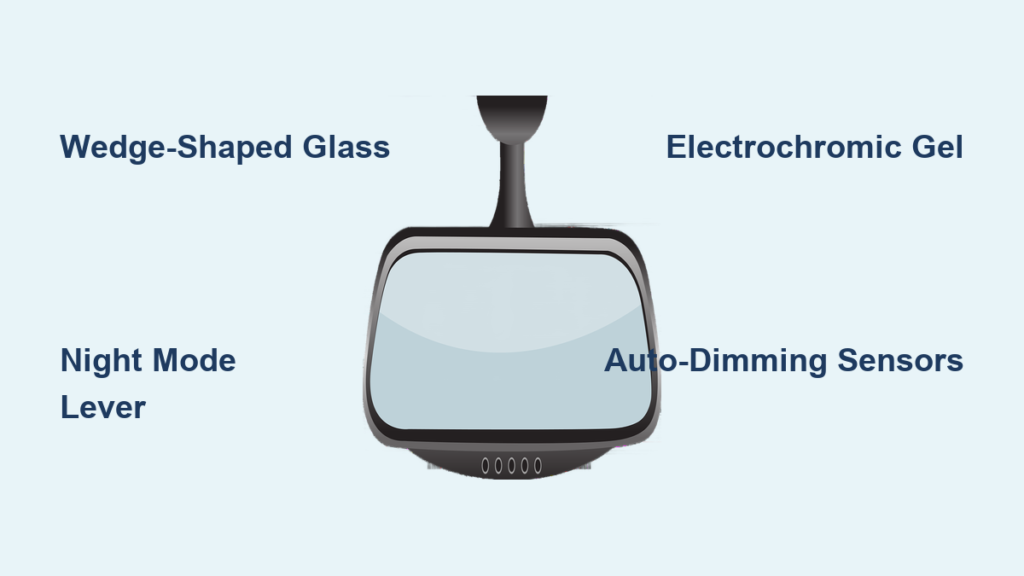
At the heart of every manual dimming mirror is a wedge-shaped piece of glass, thicker at the top than at the bottom. This subtle design is critical for preventing double images, known as ghosting, when switching modes. The glass has two reflective surfaces.
The front surface is a clear glass-air interface that reflects about 4 to 10 percent of incoming light. The back surface is coated with a highly reflective metal layer, typically aluminum or silver, reflecting 90 to 98 percent of light. During daytime, the mirror is positioned so the driver sees the bright reflection from the back surface, giving a clear, full-strength view behind the vehicle.
How the Night Mode Lever Works
Flipping the lever does not remove or cover the mirror. Instead, it tilts the entire glass assembly upward by a precise angle. This redirects the driver’s line of sight. The high-reflectivity back surface now faces the ceiling, out of view. The driver instead sees the front-surface reflection, which is naturally dim due to low reflectivity. No coating changes or parts are removed. The dimming effect is purely optical redirection, achieved by simply looking at a weaker reflection.
Why Wedge Shape Prevents Ghosting
If the glass were flat, both reflections from the front and back surfaces would overlap, creating a ghost image. The wedge shape creates angular separation between the two reflection paths, ensuring only one image reaches the driver’s eye at a time, resulting in a clean and sharp view.
Auto-Dimming Electrochromic Mirror Technology
Modern vehicles increasingly use auto-dimming rear view mirrors that adjust reflectivity automatically, eliminating the need for manual levers.
Dual-Sensor System Operation
These mirrors rely on two small but powerful sensors. The rear-facing sensor detects brightness of headlights behind the vehicle. The front-facing sensor measures cabin ambient light to determine if it is night. When bright light hits the rear sensor and the front sensor detects darkness, the system activates dimming.
Electrochromic Gel Reaction Process
Sandwiched between two layers of glass is a thin electrochromic gel. When triggered, the process works as follows.
A small 12-volt current flows through the gel. This causes an electrochemical oxidation reaction. The gel darkens progressively, absorbing excess light. Reflection intensity drops by up to 90 percent. Once the bright vehicle passes, the current stops and the gel slowly returns to clear over 30 seconds to 2 minutes.
Unlike photochromic lenses like transition sunglasses, electrochromic tech is electrically controlled, allowing faster and more predictable response.
Benefits Over Manual Mirrors
Auto-dimming mirrors offer hands-free operation, so there is no need to reach for a lever. They provide gradual dimming for a smoother transition that reduces visual disruption. They deliver consistent performance that works equally well for all drivers. They are ideal for fast-changing conditions, especially useful on winding roads with frequent oncoming traffic.
Mounting and Adjustment Features
Even the best mirror will not help if it is not properly positioned. Rear view mirrors are designed for quick and secure adjustment.
Ball-Joint Mount Mechanism
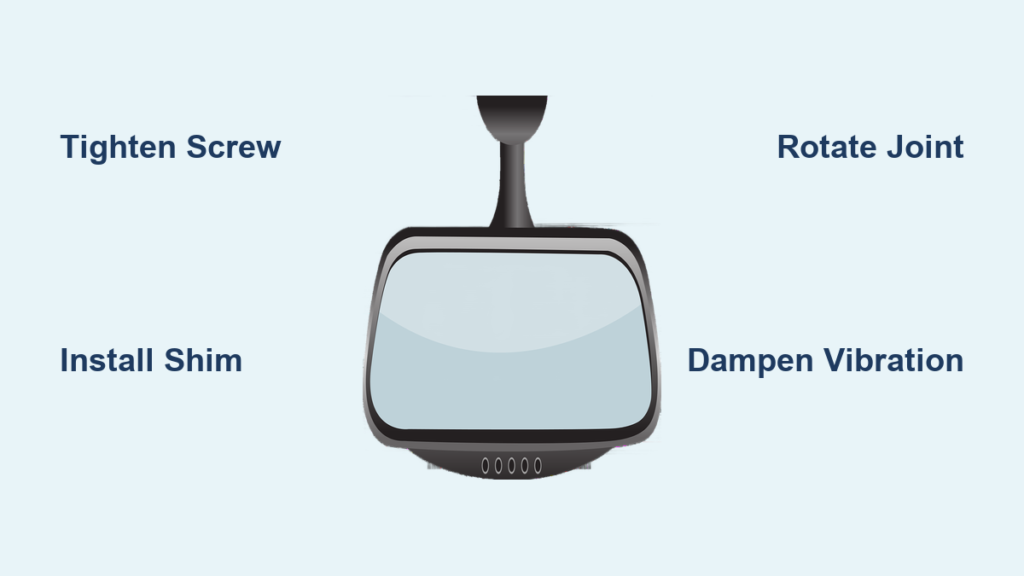
Most mirrors attach via a double-swivel ball joint mounted at the top center of the windshield. This allows vertical tilt up and down and horizontal rotation side to side. The joint is held in place by a star-shaped washer that grips tightly while still permitting smooth manual adjustment.
Optimal Mirror Positioning
To get the optimal view, sit in your normal driving position first. Adjust the mirror so you see the entire rear window with minimal head movement. Avoid pointing it too low, which shows the back seat, or too high, which shows the ceiling. This ensures maximum coverage of the area behind your vehicle.
Common Misconceptions Debunked
Despite their widespread use, many people misunderstand how rear view mirrors actually work.
Myth: Night Mode Covers the Mirror
Flipping the lever does not add a dark cover or block the mirror. The truth is that it simply changes which reflective surface you see, from the bright back coating to the dim front glass surface.
Myth: Auto-Dimming Mirrors Use Photochromic Tech
Auto-dimming mirrors are not like sunglasses that darken in sunlight. The truth is that they use electrochromic technology, activated by electricity and sensors, not UV light.
Myth: All Mirrors Have a Lever
Many modern cars with auto-dimming systems have no lever at all. The truth is that dimming happens automatically, though some models may have a button to disable the feature.
Digital Rear View Mirrors and Camera Alternatives
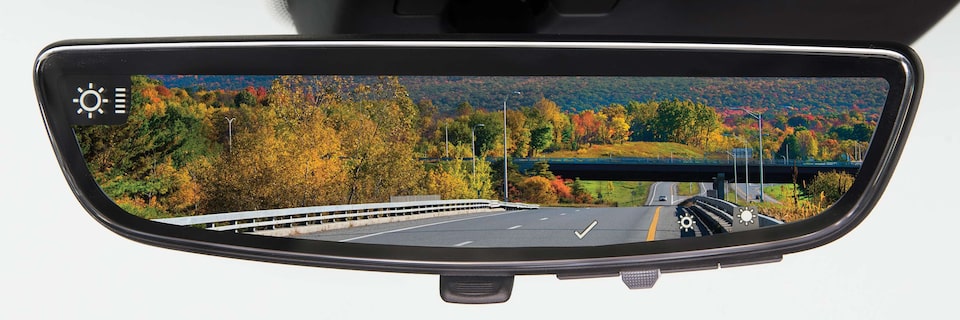
As vehicle design evolves, so do solutions for rear visibility.
How Digital Mirror Systems Work
Some luxury and newer models from manufacturers like Cadillac, Hyundai, and Lexus replace the physical mirror with a live video feed from a rear-mounted camera. These systems offer several advantages. They provide an unobstructed view even with rear passengers, cargo, or tinted windows. They offer a wider field of view than traditional mirrors. They can integrate zoom or night-vision modes. However, they are dependent on camera cleanliness and power, and slight video lag is possible in low-light conditions.
Backup Cameras as Complements
Since 2018, U.S. law requires all new vehicles under 10,000 pounds to have rearview backup cameras. These cameras are designed to eliminate blind zones immediately behind the car, typically 3 to 5 meters. They are especially critical for preventing backover accidents involving children or pets. The footage is displayed on a dashboard screen, supplementing rather than replacing the rear view mirror.
Vehicle-Specific Mirror Applications
Rear visibility needs vary widely across vehicle types.
Trucks and Buses
Rear windows are often blocked by cargo or structure, so primary reliance is on side mirrors. These vehicles use spot mirrors, which are convex, to reduce blind spots. Mirrors are subject to strict regulations and are exempt from vehicle width limits as safety equipment.
Motorcycles
Rear view mirrors are required on street-legal bikes but are often omitted on off-road models. They are mounted on handlebars or even integrated into helmets, such as the Reevu MSX1 periscope system. They must provide a usable field of view despite vibration and wind exposure.
Bicycles
Mirrors are optional but highly recommended for urban riders. Mounting options include handlebars, helmet, or glasses frame. They enable constant traffic monitoring without turning the head, which is critical for safety.
Historical Evolution of the Rear View Mirror
The rear view mirror predates the automobile and has evolved through key innovations.
Early Developments
In 1904, Ray Harroun was inspired by a horse-drawn carriage mirror. In 1911, Harroun used a mirror on the Marmon Wasp during the first Indianapolis 500, though vibration made it nearly useless on the rough brick track. In 1921, Elmer Berger patented the first mass-produced rear view mirror, marketing it as the Cop-Spotter to help drivers avoid speeding tickets.
First Auto-Dimming Attempts
In the 1940s, Jacob Rabinow designed an early automatic system using light sensors. From 1959 to 1961, Chrysler introduced Mirror-Matic, an electromechanical solenoid that flipped a prismatic mirror. It had an adjustable sensitivity dial and was discontinued due to complexity and limited demand. In 1983, electrochromic mirrors were reintroduced, and by the late 1980s to 2000s, they saw rapid adoption in luxury vehicles. Today, auto-dimming mirrors are available even in entry-level SUVs.
Safety and Legal Considerations
Despite their purpose, rear view mirrors can become safety hazards if misused.
Dangers of Hanging Objects
Many drivers hang air fresheners, fuzzy dice, prayer beads, or lucky charms from their mirrors. These items can block forward vision, create distractions, and swing into view during braking or turning. In many U.S. states and other countries, hanging objects from the mirror is illegal under obstructed view laws.
Maintenance for Longevity
For manual mirrors, use a microfiber cloth to avoid scratches and clean with ammonia-free glass cleaner to prevent coating damage. Check the lever mechanism for smooth operation over time. For auto-dimming mirrors, keep sensor windows clean since smudges or dirt can impair function. Do not place stickers or objects near the mirror face. After 7 to 10 years, electrochromic gel may darken unevenly, fail to clear completely, or develop permanent tint.
Integrated Features in Modern Mirrors
Today’s rear view mirrors are more than just reflective surfaces. They are multifunctional hubs that commonly include Homelink garage door openers, compass and temperature displays, Bluetooth microphones for hands-free calls, turn signal indicators, and blind spot warning lights. These features consolidate controls and reduce dashboard clutter.
Key Takeaways for Understanding Rear View Mirrors
The rear view mirror is a deceptively simple yet highly engineered device that integrates mechanical precision, optical science, and electronic intelligence to enhance driver safety. From its origins in early 20th-century racing innovation to today’s electrochromic auto-dimming systems and digital camera integration, the evolution of the rear view mirror reflects broader trends in automotive safety and technology.
Whether manually adjusted or electronically controlled, its core purpose remains unchanged: to give drivers a clear, glare-free view of what lies behind them, enabling safer navigation in all driving conditions. The dual-reflection mechanism in manual mirrors and the dynamic light absorption in auto-dimming systems exemplify how even the most basic components are optimized for performance, comfort, and long-term reliability.
Frequently Asked Questions About Rear View Mirrors
How does the night mode lever on a rear view mirror reduce glare?
Flipping the night mode lever tilts the entire mirror assembly upward. This changes your line of sight from the high-reflectivity back surface of the glass to the low-reflectivity front surface, reducing glare without any electronic components.
What is the difference between electrochromic and photochromic mirror technology?
Electrochromic mirrors use an electrical current to darken a gel layer between glass panes. Photochromic lenses, like transition sunglasses, darken when exposed to UV light. Auto-dimming car mirrors use electrochromic technology because it responds faster and is more controllable.
How long do auto-dimming rear view mirrors last?
Auto-dimming mirrors typically last 7 to 10 years before the electrochromic gel begins to degrade. Signs of degradation include uneven darkening, failure to clear completely, or permanent tinting.
Do all new cars have auto-dimming mirrors?
No, not all new cars have auto-dimming mirrors. This feature is more common in mid-tier and luxury vehicles, though it is increasingly available in entry-level models. Manual prismatic mirrors remain standard in many affordable vehicles.
Can I hang air fresheners from my rear view mirror?
In most U.S. states and many other countries, hanging objects from the rear view mirror is illegal because it can obstruct the driver’s view. Air fresheners, fuzzy dice, and other decorations pose safety risks and may result in fines.
Do backup cameras replace the need for a rear view mirror?
No, backup cameras complement rather than replace rear view mirrors. Backup cameras eliminate blind zones directly behind the vehicle, while rear view mirrors provide continuous visibility of the area behind while driving. Both are essential safety features.