You’re sitting by the window on a sunny day, enjoying the warmth of sunlight streaming through the glass—but are you actually protected from harmful UV rays? The answer isn’t as straightforward as you might think. While glass does block UV rays, it doesn’t stop all types equally. Standard windows may filter out sunburn-causing UVB rays, yet a significant amount of skin-damaging UVA radiation still passes through. This means you could face long-term skin risks even while indoors or inside a car.
Understanding how different glass types filter UV radiation is essential for protecting both your skin and your interior furnishings. In this guide, you’ll learn exactly how much UV protection standard, laminated, and treated glass provide, plus practical steps you can take to maximize your safety.
How Glass Filters UV Radiation
Glass interacts differently with the two main types of ultraviolet light: UVA and UVB. Recognizing these differences is critical when evaluating real-world protection in your home, office, or vehicle.
UVB vs. UVA: What Glass Actually Blocks
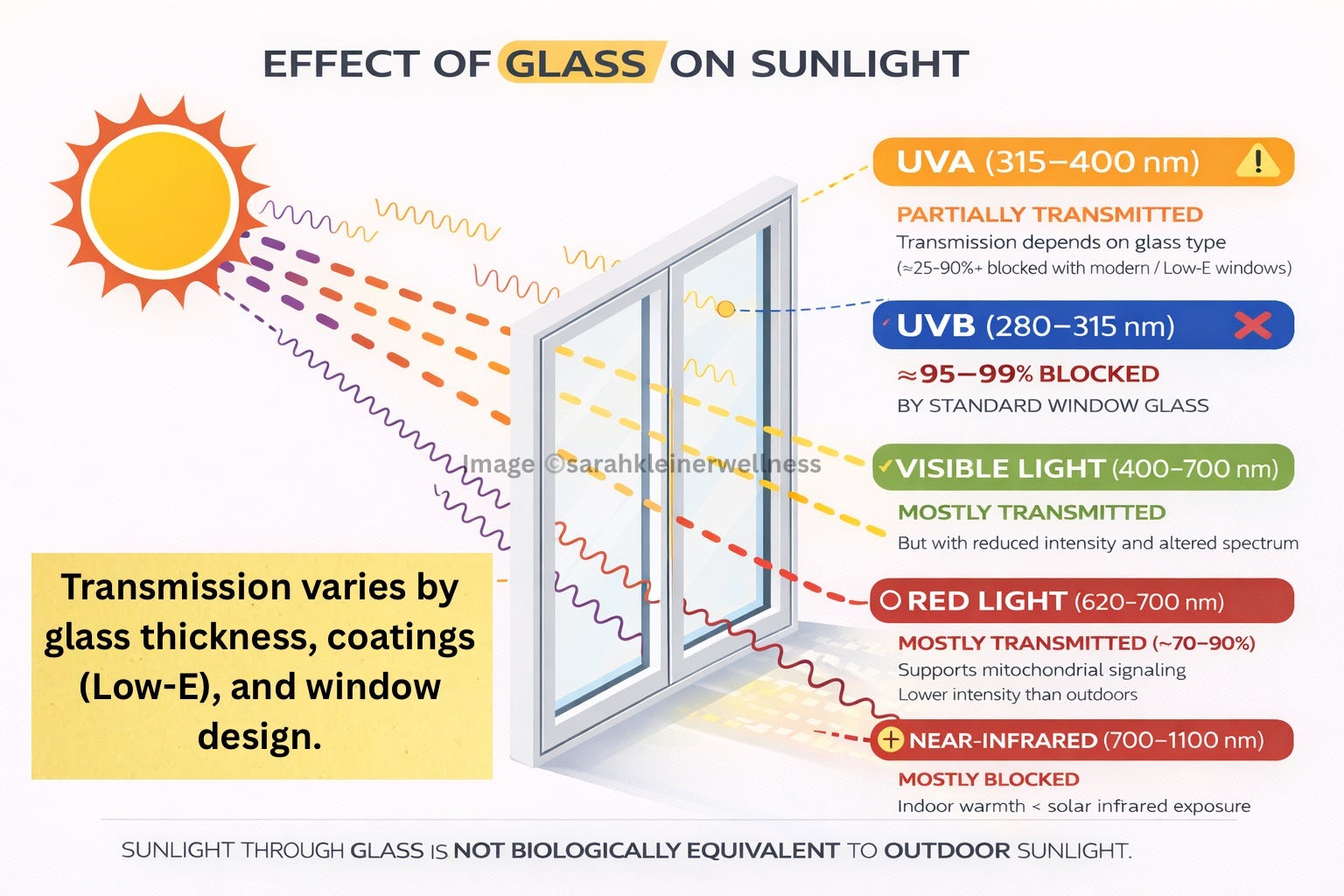
UVB rays (280–315 nm) are shorter and more energetic. They’re responsible for sunburns and direct DNA damage, and most are absorbed by standard glass. UVA rays (315–400 nm) are longer and penetrate deeper into the skin, contributing to premature aging and long-term cancer risk. These pass through regular glass much more easily.
This distinction explains why you won’t get sunburned behind a window, yet can still experience photoaging or skin damage over months and years of repeated exposure.
Why UVA Penetrates Standard Glass
Standard annealed glass contains materials that naturally absorb shorter wavelengths like UVB. However, its molecular structure allows longer UVA wavelengths to pass through. Think of it like a sieve: it catches the bigger particles (UVB) but lets the smaller ones (UVA) slip right through.
This partial protection creates a false sense of security, especially for people who spend hours near sunny windows, such as drivers or office workers in sun-facing cubicles.
Standard Window Glass Performance

Most homes and offices use standard float glass, which offers limited UV protection. While better than no barrier at all, it falls far short of complete defense.
Blocks Most UVB Rays
Standard glass blocks 90% to 99% of UVB radiation, effectively preventing sunburn during typical indoor exposure. This is why you don’t come home with red, irritated skin after sitting by the living room window for an afternoon.
However, this high UVB blockage shouldn’t be mistaken for full UV defense across all wavelengths.
Only Partial UVA Protection
When it comes to UVA, standard glass stops only 50% to 75%. That means up to half of aging and cancer-linked radiation enters your living or working space. Over months and years, this cumulative exposure adds up, especially in sun-exposed areas like car interiors or south-facing rooms with large windows.
Real-World Risk: Driving and Sun Exposure
Drivers often show more UV-related skin damage on the left side of their face (in countries where drivers sit on the left). The reason? Car side windows are usually made of tempered glass rather than laminated, allowing more UVA penetration. Windshields, however, are laminated and offer far better protection, highlighting how dramatically glass type affects your exposure.
Laminated Glass: Superior UV Defense
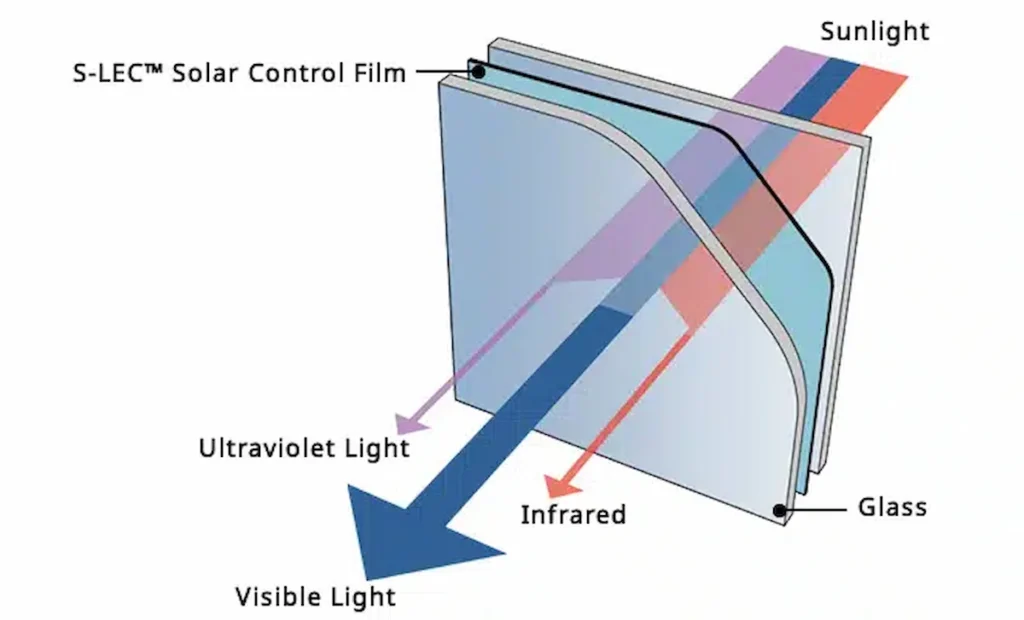
If you want strong UV protection, laminated glass is one of the best options available for both vehicles and buildings.
Built-In UV Blocking Layer
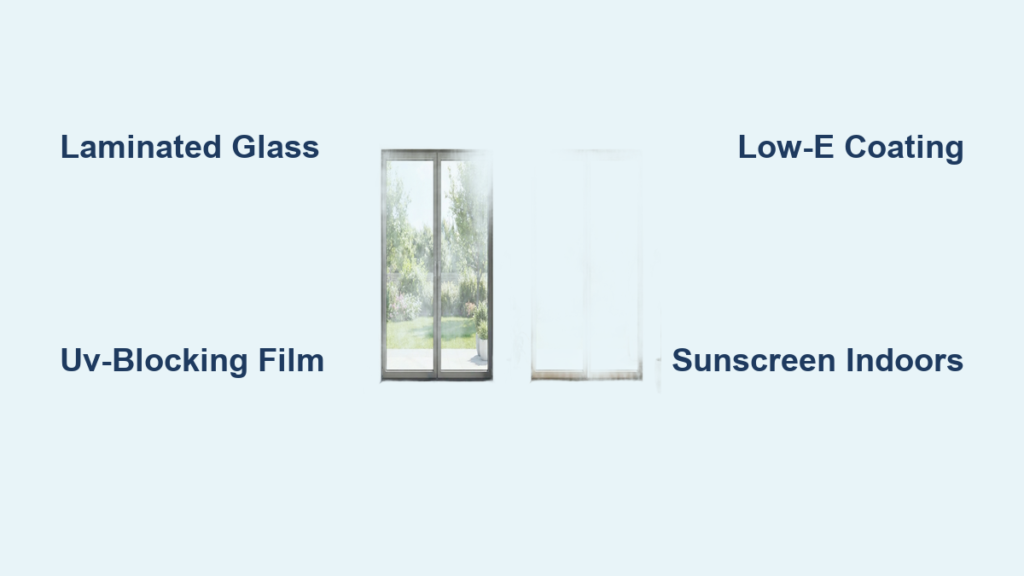
Laminated glass consists of two glass layers bonded with a polyvinyl butyral (PVB) or ethylene-vinyl acetate (EVA) interlayer. This thin plastic sheet absorbs over 99% of both UVA and UVB rays, making it highly effective for health and safety applications.
Standard in Car Windshields
Because of its strength and UV-blocking properties, laminated glass is standard in automotive windshields. It not only resists shattering on impact but also shields occupants from nearly all UV radiation, even during long drives in bright sunlight.
Ideal for High-Sunlight Interiors
Homes, offices, and museums in sunny climates often use laminated glass to protect occupants and prevent fading of furniture, artwork, and flooring. If you’re renovating or building new construction, specifying laminated glass adds both safety and UV protection in one upgrade.
Tinted and Coated Glass Solutions
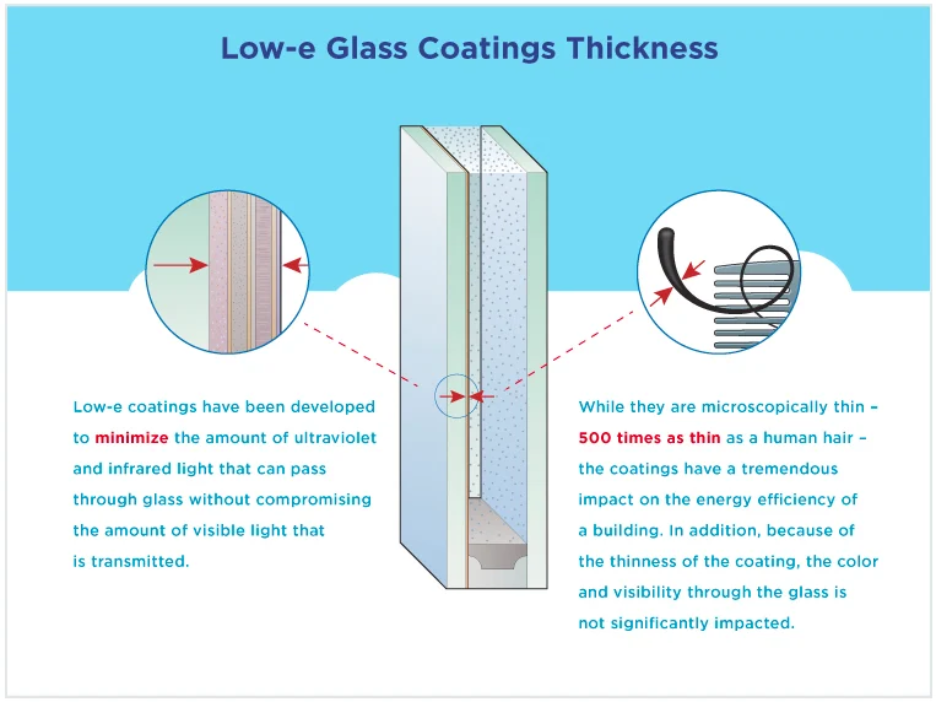
You don’t need to replace all your windows to improve UV protection. Tinted and coated glass options offer enhanced filtering without major structural changes.
Low-E Glass: Energy and UV Efficiency
Low-emissivity (Low-E) glass has a microscopically thin metallic coating that reflects heat and blocks UV radiation. While primarily designed for insulation, most Low-E windows also block a significant portion of UV rays, providing a major upgrade over standard glass.
These coatings are nearly invisible, so they don’t darken rooms or alter your view.
UV-Blocking Window Films
One of the most cost-effective solutions is applying UV-blocking window film to existing glass. These adhesive films can block up to 99% of UV radiation, rivaling laminated glass performance at a fraction of the cost.
Available in clear, tinted, or reflective finishes, they’re ideal for renters or homeowners who can’t replace their windows outright.
How to Choose the Right Film
When selecting a window film, look for:
– UV rejection rate of 99% or higher
– Non-distorting clarity if visibility matters
– Professional installation options for bubble-free results
– Warranties against fading or peeling over time
Many high-quality films also reduce glare and heat, improving comfort and lowering cooling costs during summer months.
Comparing UV Protection by Glass Type

Here’s how common glass types stack up against UV radiation:
| Glass Type | UVB Blocked | UVA Blocked | Best Use Case |
|---|---|---|---|
| Standard Annealed | 90–99% | 50–75% | General windows with minimal UV risk |
| Tempered Glass | 90–95% | 50–60% | Car side windows, shower doors |
| Laminated Glass | Over 99% | Over 99% | Windshields, sunrooms, museums |
| Low-E Coated Glass | Around 95% | Around 90% | Energy-efficient homes and offices |
| Tinted with UV Film | Up to 99% | Up to 99% | Retrofits and high-exposure areas |
This comparison shows that only laminated, coated, or film-treated glass provides near-complete UV protection.
Can You Get Sun Damage Through Windows?
Yes. Prolonged exposure behind glass can lead to measurable skin damage over time.
Cumulative UVA Exposure Risks
Even without visible sunburn, daily exposure to UVA rays through windows contributes to:
– Premature skin aging, including wrinkles and sunspots
– Loss of skin elasticity
– Increased risk of skin cancer, including melanoma
Dermatologists often observe asymmetric facial aging in patients with regular sun exposure through car or office windows.
Who’s Most at Risk?
- Frequent drivers who spend hours behind the wheel
- Office workers seated near large windows
- People with photosensitive conditions such as lupus
- Individuals with a personal history of skin cancer
For these groups, adding UV protection is more than a comfort upgrade. It’s a health necessity.
How to Test Your Window’s UV Protection
You don’t need laboratory equipment to estimate your window’s UV shielding capability.
Use a UV Indicator Card
A simple UV-sensitive card changes color when exposed to ultraviolet light. Place it behind the glass in direct sunlight and compare the reaction to one placed in full open sun. If the card still darkens significantly behind the glass, UVA rays are getting through.
Check for Window Film Labels
Look for labels indicating:
– “Blocks 99% of UV”
– “UV400 protection”
– “Meets ASTM G154 standards”
These signals mean your glass or film offers strong protection.
Consult Manufacturer Specifications
If you know your window model or film brand, check the technical data sheet online. Reputable products list spectral transmittance, which is a graph showing how much UV light passes through at different wavelengths.
Boosting UV Protection: Practical Tips

Even if you can’t replace your windows right now, you can reduce UV exposure today with a few simple steps.
Apply UV-Blocking Film
Window films are affordable and effective. DIY kits cost as little as $20 per window and can be installed in under an hour.
Pro Tip: Choose ceramic or carbon-based films. They reject UV and heat without interfering with phone or GPS signals.
Install UV-Blocking Curtains or Blinds
Specialty window treatments made with tightly woven, UV-absorbing fabrics can block up to 98% of UV rays. Look for products labeled “UPF 50+” (Ultraviolet Protection Factor).
These work well for bedrooms, nurseries, or rooms where people spend many daylight hours.
Wear Sunscreen Indoors Near Windows
If you sit within three feet of a sunny window for more than 30 minutes daily, apply broad-spectrum sunscreen. Focus on your face, neck, and hands, which are common areas for window-related photoaging.
Dermatologists recommend SPF 30 or higher, even indoors, for high-exposure situations.
Long-Term Benefits of UV-Protected Glass
Beyond skin health, blocking UV rays preserves your environment and protects your investments.
Prevents Furniture and Fabric Fading
UVA radiation breaks down dyes and weakens fibers. Over time, this causes faded carpets and upholstery, cracked leather, and yellowed artwork or photographs.
Using UV-blocking glass or film can extend the life of interior furnishings by several years.
Maintains Home Value
Well-protected interiors stay vibrant longer, boosting curb appeal and resale value. Energy-efficient, UV-protected windows also lower utility bills, making them a smart long-term investment.
Frequently Asked Questions About Glass and UV Rays
Does regular window glass block UV rays completely?
No. Standard annealed glass blocks 90% to 99% of UVB rays but only 50% to 75% of UVA rays. This means a significant portion of skin-damaging UVA radiation still passes through.
Can you get sunburned through a window?
Typically no, because standard glass blocks most UVB rays, which cause sunburn. However, UVA rays that contribute to aging and skin cancer can still penetrate, so long-term damage is possible without proper protection.
What type of glass blocks the most UV rays?
Laminated glass blocks over 99% of both UVA and UVB rays, making it the most effective option. UV-blocking window films applied to existing glass can achieve similar protection levels.
Do car windows protect against UV rays?
Windshields are made of laminated glass and block over 99% of UV rays. Side and rear windows are typically tempered glass, which allows more UVA radiation through, putting drivers at risk for asymmetric skin damage.
How can I add UV protection to my existing windows?
Apply UV-blocking window film, install UPF 50+ curtains or blinds, or wear broad-spectrum sunscreen when spending extended time near sunny windows.
Is Low-E glass good for UV protection?
Yes. Low-E glass has a metallic coating that blocks a significant portion of UV radiation while also improving energy efficiency. It’s an excellent upgrade for homes and offices.
Key Takeaways for Understanding UV Protection Through Glass
Glass does block UV rays, but not all types equally. Standard windows stop sunburn-causing UVB yet allow skin-damaging UVA to pass through. For true protection, laminated glass, Low-E coatings, or UV-blocking films offer the best defense. Whether you’re safeguarding your skin, your car’s interior, or your home’s décor, upgrading your UV protection is a simple, effective step toward long-term health and preservation. Start by testing your current windows with a UV indicator card, then consider adding film or upgrading to laminated glass where you spend the most time in direct sunlight.