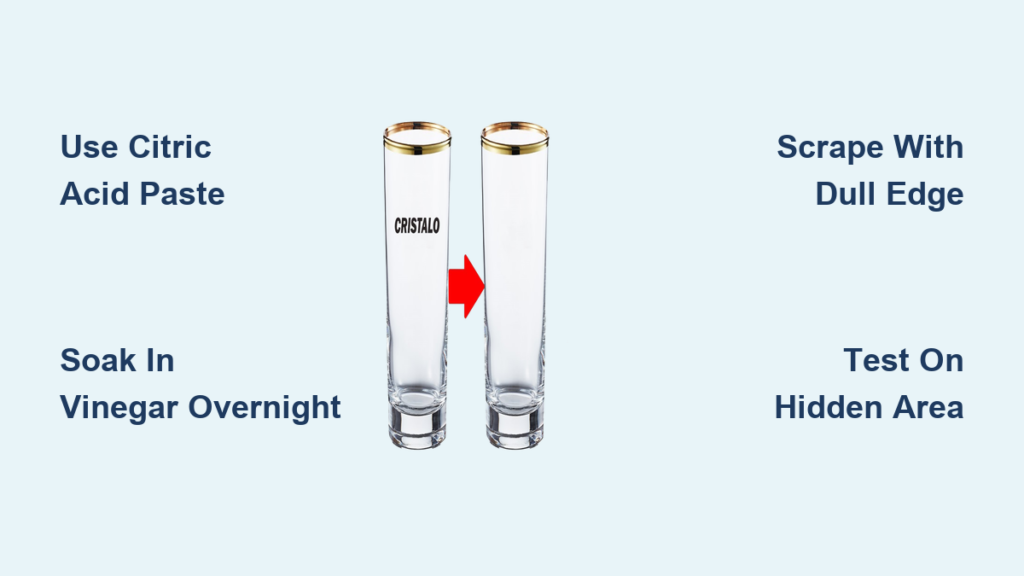
You grab a beautiful glass bottle, ready to repurpose it as a vase, only to find that stubborn logo staring back at you. Scrubbing makes no difference. Soaking in water does nothing. The print feels like it has become part of the glass itself. This is because printed ink on glass is chemically bonded through screen printing, digital printing, or thermal fusing, not simply stuck on like a paper label.
The solution lies in weak acids that break the ink’s molecular bond without harming the glass surface. This guide walks you through three proven methods using common household items, plus how to troubleshoot stubborn cases and avoid costly mistakes.
Choose the Right Acid Method

The secret to removing print from glass is selecting a weak acid strong enough to dissolve ink adhesion but gentle enough to preserve the silica structure of glass. Strong chemicals like hydrochloric acid or paint strippers can etch glass permanently and release toxic fumes.
Your two best options are:
– Acetic acid (vinegar) for passive, overnight soaking
– Citric acid (powder or fresh citrus) for faster, more aggressive treatment
Why Citric Acid Outperforms Vinegar
Citric acid donates three protons per molecule, while acetic acid donates only one. This makes citric acid chemically more effective at breaking ink bonds, especially on digital prints or thick, layered inks. It also comes in powder form, allowing you to create a concentrated paste that clings to vertical surfaces without dripping.
Avoid These Harmful Alternatives
Many common solvents fail or cause damage:
– Acetone and nail polish remover: Work on adhesive residue but not fused ink
– Paint strippers: Release dangerous fumes and do not dissolve glass-bonded ink
– Steel wool and scouring pads: Scratch glass and leave permanent swirl marks
– Warm water alone: Removes paper labels but has zero effect on printed ink
Soak in Vinegar Overnight
Best for white lettering, delicate glass, or batch processing multiple items.
This hands-off method uses apple cider or white vinegar to gently loosen printed ink over an extended period.
Step 1: Fill a Container and Submerge the Glass
Place your glass item in a bowl or container large enough to cover the printed area completely. Pour in enough apple cider vinegar to fully submerge the inked section.
Step 2: Wait 1 to 24 Hours
Let the glass soak for at least one hour. For best results, leave it overnight. The longer the soak, the deeper the acetic acid penetrates the ink layer, weakening its grip on the glass.
Step 3: Wipe the Ink Away
Remove the glass and wipe the printed area with a cloth or sponge. White ink should lift off with minimal effort. If a dark outline remains, you may be dealing with a multi-layer print or thermal fusing.
Pro Tip: For bottles with narrow necks, pour vinegar inside the bottle and tilt it occasionally to keep the print area submerged.
Use Citric Acid Paste

Best for stubborn prints, vertical surfaces, and fast results in under 20 minutes.
This method delivers concentrated citric acid directly to the ink using a thick paste that stays in place.
Step 1: Mix Powder and Hot Water
In a non-metallic bowl, combine 1 tablespoon of citric acid powder with 2 tablespoons of very hot water. Stir until fully dissolved. You can find citric acid powder in the canning section of most grocery stores (Ball brand is common).
Step 2: Add Flour to Thicken
Gradually mix in all-purpose flour until you achieve a thick, toothpaste-like consistency. The paste must be sturdy enough to cling to vertical glass without dripping.
Step 3: Apply and Wait 5–20 Minutes
Spread the paste generously over the printed area, ensuring complete coverage. Let it sit for 5 to 15 minutes. You will notice the paste beginning to dry and harden, a sign it is reacting with the ink.
For extreme cases: Leave the paste on overnight. Many users report complete removal after extended dwell time.
Step 4: Scrape and Wipe Clean
Use the back (dull) side of a razor blade, a spoon, or a fork to scrape off the paste and ink. Wipe with a damp microfiber cloth. The print should lift cleanly within seconds. Reapply to any stubborn spots.
Warning: Never use the sharp edge of a razor blade. Always maintain a low angle to avoid scratching the glass or cutting yourself.
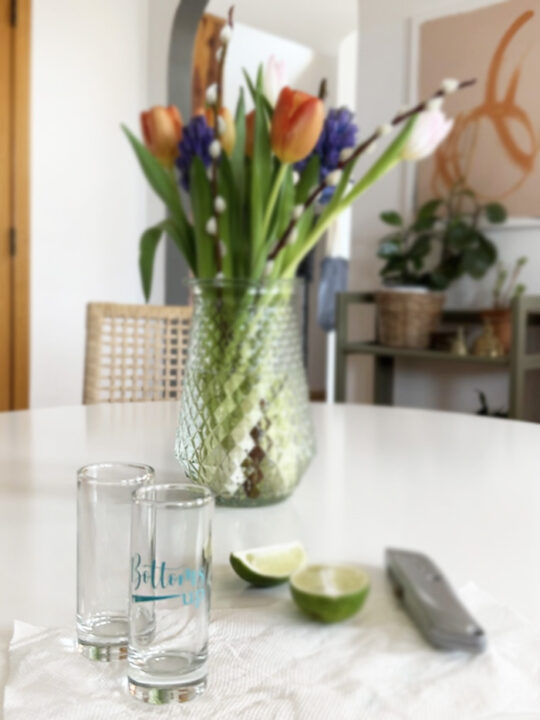
Rub with Fresh Lime or Lemon
Best for small areas, quick fixes, or when you have no other supplies on hand.
Fresh citrus delivers natural citric acid for immediate action without any mixing required.
Step 1: Cut and Saturate the Print
Slice a lime or lemon in half. Rub the cut side vigorously over the printed area for about one minute, ensuring the juice fully saturates the ink.
Step 2: Let It Sit 5–10 Minutes
Do not wipe the juice away. Allow the natural acid to dwell on the surface and break down the ink bond.
Step 3: Scrape with a Dull Edge
Using the back of a spoon or razor blade, gently scrape the print starting from one corner. The ink should flake or slide off. Wipe clean with a paper towel.
Expert Note: For enhanced results, sprinkle a small amount of salt on the cut fruit before rubbing. This adds mild abrasion without scratching the glass.
Handle Stubborn or Thermal Print

Some prints resist even strong acid treatments due to how they were manufactured.
When White Ink Removes but an Outline Stays
This usually means multi-layer printing where the outline uses a different, more resistant ink. Reapply citric acid paste with an extended dwell time of 15–30 minutes. If the outline persists, it may be thermally fused.
When Thermal Print Will Not Budge
Certain premium bottles, such as Bombay Sapphire, use thermally fused ink that is baked into the glass during production. This ink becomes part of the glass matrix itself, making it nearly impossible to remove without damaging the surface.
In these cases, your best options are:
– Accept the design as part of the bottle’s character
– Repurpose the container where the label is hidden (inside a lamp base, behind a planter, etc.)
Clean Residue After Ink Removal
Even after the print lifts, you may encounter sticky or oily residue from underlying adhesive layers.
Target Adhesive Left Behind
Sometimes a paper label with adhesive sits beneath the printed ink. When you remove the ink, this sticky layer remains exposed.
Use Alcohol or Lighter Fluid
Dampen a cloth with rubbing alcohol, vodka, or lighter fluid. Press it onto the residue for 15 minutes to dissolve the adhesive, then wipe clean with a microfiber cloth.
For plastic containers (PET1): Avoid acetone, which can melt or etch plastic. Use high-proof alcohol like Everclear instead.
Ensure Safety and Surface Compatibility
Protect yourself and your materials by following these best practices.
Work in a Ventilated Area
Vinegar and citric acid have mild odors, but stronger alternatives like toilet bowl cleaners release harmful fumes. Open windows or work near a fan.
Wear Gloves and Eye Protection
Concentrated citric acid can irritate skin. When scraping, wear safety glasses to guard against glass chips or chemical splashes.
Test on a Hidden Area First
For antique, colored, or frosted glass, apply a small amount of acid to an inconspicuous spot. Wait 10 minutes, then rinse and inspect for any reaction.
Confirm Glass Type Safety
- Clear and frosted glass: Safe for all acid methods
- Colored glass: Generally safe, but test first
- Plastic (PET1): Use alcohol for adhesive; citric acid is less effective on plastic-bonded ink
Compare Methods at a Glance

| Feature | Vinegar Soak | Citric Acid Paste | Fresh Citrus Rub |
|---|---|---|---|
| Best For | White ink, delicate items | Stubborn prints, vertical glass | Small areas, quick jobs |
| Time Required | 1 hour to overnight | 5–20 minutes | 5–15 minutes |
| Effort Level | Low (passive) | Low (apply and scrape) | Medium (vigorous rubbing) |
| Effectiveness | High on white ink | Very high on digital print | Moderate to high |
| Cost | Very low | Low | Low |
| Availability | High | Medium (canning aisle) | High |
Bottom Line: Start with vinegar. If it fails, escalate to citric acid paste for maximum power.
Prevent Damage and Maximize Success
Follow these expert-backed tips to ensure flawless results every time.
Do Not Rush the Process
Impatience is the most common reason for failure. If the ink does not lift after 10 minutes, extend the dwell time. Acids need time to penetrate. Overnight soaks often solve what seems like a stubborn case.
Never Use Sharp Razor Edges
Always scrape with the back (dull) side of a razor blade. Using the sharp edge increases the risk of deep scratches and personal injury. Maintain a low angle to the glass surface.
Avoid Abrasive Cleaners
Steel wool, scouring pads, and harsh polishes will not remove bonded ink and can permanently mar the glass. Stick to chemical action, not abrasion.
Rinse Thoroughly After Treatment
After removing the print, rinse the glass thoroughly with water. All weak acids are food-safe once rinsed, making the container suitable for flowers, storage, or drinking.
Bonus Tip: Repurposed glass jars can be reused indefinitely. Label-free bottles make elegant vases or DIY candle holders.
Frequently Asked Questions About Removing Print from Glass
Does vinegar really remove print from glass?
Yes, vinegar (acetic acid) works well on white lettering and less stubborn prints. Submerge the printed area for at least one hour, or overnight for best results. The acetic acid breaks down the ink’s bond with the glass.
What is the fastest way to remove print from glass?
The citric acid paste method is the fastest, typically working in 5 to 20 minutes. Mix 1 tablespoon citric acid powder with 2 tablespoons hot water, thicken with flour, apply, wait, then scrape.
Can I remove thermally fused print from a Bombay Sapphire bottle?
Thermally fused ink is baked into the glass during manufacturing and is nearly impossible to remove without damaging the surface. Standard acids and solvents will not work. Your best option is to repurpose the bottle where the label is hidden.
Will citric acid scratch or damage glass?
No. Citric acid is a weak acid that breaks down ink bonds without affecting the silica structure of glass. It is safe for clear, frosted, and most colored glass. Always test on antique or unusual glass first.
How do I remove sticky residue after the ink is gone?
Dampen a cloth with rubbing alcohol, vodka, or lighter fluid and press it onto the residue for 15 minutes. Then wipe clean. For plastic containers, use high-proof alcohol like Everclear instead of acetone.
Is it safe to drink from glass after using these methods?
Yes. After treatment, rinse the glass thoroughly with water. All weak acids (vinegar and citric acid) are food-safe once rinsed, making the vessel safe for drinking, food storage, or flowers.
Final Thoughts on Removing Print from Glass
Removing print from glass does not require dangerous chemicals or expensive specialty products. With vinegar, citric acid, or fresh citrus, you can safely strip away stubborn ink using science-backed methods that preserve the glass surface.
The key is matching the method to your situation: soak for simplicity, paste for power, or citrus for speed. Remember that thermally fused prints are permanent, but for most screen-printed or digitally printed labels, these acid treatments deliver flawless results.
Your next step is simple. Grab a bottle you have been meaning to repurpose, choose your method based on the print type, and allow enough dwell time. Within hours, you will have a pristine, label-free glass container ready for its second life.