You’ve just changed lenses and noticed something clouding your viewfinder—smudges, streaks, or oily spots blocking the clear view through your DSLR or film SLR. The culprit is likely a dirty camera mirror. But before you grab any cloth or cotton swab, understand this: the mirror in your SLR or DSLR is nothing like a bathroom mirror. It’s an ultra-sensitive front-surface reflector, and improper cleaning can permanently damage it.
The good news is you can clean it safely if you follow the right steps, use proper tools, and respect its fragility. This guide walks you through when cleaning is actually necessary, what tools to use, and step-by-step methods used by experienced photographers and technicians. Most importantly, you’ll learn how to clean your camera mirror without scratching it and when to leave the job to a professional.
Check If Cleaning Is Actually Necessary
Before touching your mirror, understand that dust, light smudges, or specks on the mirror do not appear in your photographs. The mirror reflects light only to the viewfinder, not to the sensor or film. Only sensor dust causes visible spots in your images, especially at small apertures like f/16 or f/22.
Clean your camera mirror only when viewfinder clarity is significantly impaired. This includes oily fingerprints, water spots, haze, or residue left after replacing mirror bumper foam. If you see only light dust and your camera works fine, skip cleaning entirely. The risks often outweigh the benefits when only cosmetic debris is present.
To verify your sensor is clean, photograph a blank white wall at f/22. If you don’t see dark spots in the image, your photos are unaffected—the mirror’s condition only impacts your viewfinder experience.
Why Camera Mirrors Are So Fragile
The mirror in your DSLR or SLR is a front-surface mirror, meaning the aluminum or silver coating sits directly on the glass surface, not behind it like household mirrors. This design prevents internal reflections but makes the coating extremely soft and scratch-prone.
Scratches on the mirror are permanent and appear as dark lines in your viewfinder. The coating can be damaged by cotton swabs, paper towels, or even microfiber cloths if grit is trapped beneath them. Some cameras like the Nikon F3 have perforated mirrors for light metering, and liquids can clog these holes permanently.
Professional technicians consistently warn that mirrors are more delicate than sensors or lens glass. The coating is so soft that minimal pressure causes damage. This fragility is why many experts recommend never touching the mirror with anything but air.
Gather Safe Cleaning Tools

Using the right tools minimizes risk when cleaning your camera mirror. Always use optics-safe, low-lint materials designed for delicate surfaces.
Recommended tools include a rocket blower for removing loose dust, foam-tipped swabs or sensor swabs for gentle cleaning, 99% isopropyl alcohol or Eclipse cleaning solution for dissolving oils, and lint-free lens tissues like Kimwipes or Pec-Pads. Microfiber cloths work for dry cleaning only if they’re completely clean and dedicated to optics use.
Tools to avoid include cotton swabs (Q-tips) which shed fibers and can be abrasive, compressed air cans that may spray propellant or moisture, paper towels and tissues that carry oils and grit, and household cleaners like Windex that leave residue and damage coatings. The cloth itself isn’t the problem—it’s the dust trapped under it that scratches the mirror.
| Tool | Purpose | Recommended Brands |
|---|---|---|
| Rocket blower | Remove loose dust before touching | Giottos, VisibleDust |
| Foam-tipped swabs | Gentle wet cleaning | Eclipse, VisibleDust |
| Sensor swabs | Full-width mirror swipe | Eclipse, Photographic Solutions |
| 99% Isopropyl alcohol | Dissolve oils, evaporates cleanly | Any brand, pure formula |
| Lens tissues | Single-use, lint-free wipe | Kimwipes, Pec-Pads |
Prepare Your Camera for Mirror Access
To clean the mirror safely, you must flip it up and lock it in place. This protects the mechanism and gives you access to the reflective surface.
For DSLRs, turn on the camera and navigate to Menu, then Clean Image Sensor or Setup menu, and select Lock Mirror Up. The exact path varies by brand. Confirm and wait for the mirror to rise. For film SLRs, set the camera to Bulb (B) mode, press and hold the shutter button open manually, and use a lens cap to protect the chamber.
Ensure your battery is fully charged before starting. A dying battery during cleaning can cause the mirror to drop unexpectedly, potentially causing damage. Work in a clean environment away from fans and open windows, and hold the camera pointed downward so debris falls out rather than in.
If your camera has a removable pentaprism and focusing screen, remove these first for safer access. This step is especially recommended for Nikon F series and similar vintage cameras.
Step-by-Step Mirror Cleaning Process
Blow Off Loose Dust First
Start with a rocket blower to remove all loose particles. Squeeze the blower away from the camera first to expel any internal dust, then use short bursts while holding the camera downward. Inspect with a bright flashlight afterward. Even if the mirror looks clean, microscopic grit causes scratches if trapped under cleaning tools.
Dry Clean If Needed
If smudges remain after blowing, use a dry sensor swab or clean microfiber cloth. Lightly drag across the mirror in one direction only, using zero pressure. Never rub back and forth—this redeposits debris and increases scratch risk. Let the weight of the swab do the work.
Wet Clean for Stubborn Residue
For fingerprints, oil, or haze, dampen a foam-tipped swab with one drop of 99% IPA or Eclipse solution. Do not soak the swab—just moisten it. Gently drag across the mirror in one direction, then immediately follow with a dry swab to remove excess fluid. Let the mirror air dry completely before lowering it back into position.
Never pool liquid in the mirror chamber. Drips can damage the shutter mechanism or mirror actuation system. Use swabs sized appropriately for your mirror to ensure full coverage without overextending into delicate areas.
Advanced Cleaning for Removable Mirrors
Medium format cameras like Bronica or Hasselblad often have removable mirrors. If you’re experienced, remove the mirror assembly carefully and clean it in distilled water with Photo-Flo or use an ultrasonic cleaner. Rinse thoroughly and pat dry with a lint-free cloth before reinstalling. This method is not recommended for 35mm SLRs unless you have technical experience.
Special Considerations for Different Camera Models
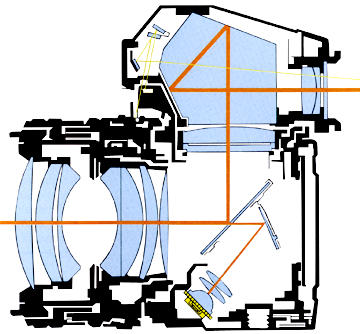
Nikon F Series
Remove the pentaprism and focusing screen first for safe access. The Nikon F3 has a perforated mirror for metering, so avoid liquids entirely that may clog the holes. Use dry swabs or air only for F3 models.
Canon DSLRs
Use the built-in mirror lock-up mode found in the menu system. Avoid touching the focusing screen edges, as these scratch easily and are even more fragile than the mirror itself.
Pentax, Minolta, Olympus
Post-1980s models often have protective mirror coatings that allow limited cleaning with IPA and foam swabs if done gently. These coatings increase durability but still require careful technique.
Medium Format Cameras
Hasselblad and Bronica mirrors are removable, allowing external cleaning or ultrasonic treatment. Many users report success with VisibleDust swabs and proper technique on these systems.
Mistakes That Will Damage Your Mirror
Several common errors cause permanent damage when cleaning camera mirrors. Skipping the blower traps grit under your cleaning tool, leading to scratches. Using Q-tips sheds fibers and can be abrasive despite feeling soft. Applying pressure scratches the coating instantly—the aluminum layer is extremely soft.
Over-wetting causes liquid to drip into the shutter or mirror mechanism, potentially causing electrical damage or mechanical failure. Cleaning too often increases your risk of accidental damage with each contact.
| Mistake | Risk | Solution |
|---|---|---|
| Skipping the blower | Grit scratches coating | Always blow first |
| Using Q-tips | Fiber shedding, abrasiveness | Use foam or sensor swabs |
| Applying pressure | Instant scratching | Use zero pressure |
| Over-wetting | Liquid damages mechanism | Dampen, don’t soak |
| Cleaning too often | Increased damage risk | Clean only when necessary |
When to Seek Professional Help
Some situations call for expert service rather than DIY cleaning. If your camera is vintage, rare, or valuable, a professional technician has the experience to handle delicate components properly.
Cameras with perforated mirrors, special coatings, or pellicle-type mirrors require specialized knowledge. If you’re not confident in your tools or technique, professional service is worth the cost. Many cameras also need CLA (Clean, Lubricate, Adjust) service for other issues, so combining mirror cleaning with professional maintenance makes sense.
For reference, a mid to late 1960s Nikon plain prism F with a 50mm f/2 might be a $200–$250 camera. If the body matches the age of the lens, professional service is worth the investment to preserve value.
Related Maintenance: Mirror Bumper Foam
Mirror bumper foam degrades over time, crumbling into sticky residue or shedding particles onto the mirror and shutter. This maintenance is often done during mirror cleaning and prevents future contamination.
To replace the foam, remove the pentaprism and focusing screen first. Use a plastic tool or bamboo skewer to pry off old foam, then clean residue with IPA or naphtha on a cotton swab. Cut new foam to size (available from photography supply sources) and apply with light adhesive. Some users lightly lick the adhesive to reduce initial stickiness for easier alignment.
Complete this foam replacement before mirror cleaning to avoid contaminating a clean mirror with debris from the old foam removal.
Key Takeaways for Cleaning Your Camera Mirror
Cleaning a camera mirror is not required for most users. Dust doesn’t affect your photos, and the risks often outweigh the benefits for minor viewfinder debris. However, if viewfinder clarity is significantly impaired, careful and infrequent cleaning with proper tools is safe and effective.
Always assess whether cleaning is truly necessary before proceeding. Use a rocket blower first to remove all loose dust before any contact. Choose proper tools like sensor swabs, foam tips, and 99% IPA rather than household materials. Apply zero pressure and swipe in one direction only. Let the fluid and surface tension do the work rather than forcing the swab across the surface.
Know your limits. When in doubt, seek professional help, especially for vintage, rare, or valuable cameras. The mirror coating is extremely delicate, and permanent damage from improper cleaning is devastating. Use this guide to clean confidently, safely, and only when necessary.
Frequently Asked Questions About Cleaning Camera Mirrors
Does dust on the camera mirror affect my photos?
No. Dust, smudges, or debris on the mirror only affects what you see in the viewfinder, not your captured images. The mirror reflects light only to your eye, not to the sensor or film. Only sensor dust appears in photographs.
Can I use Q-tips to clean my camera mirror?
While many users report success with Q-tips, professionals recommend avoiding them. Q-tips shed fibers and can be more abrasive than they appear. Foam-tipped swabs or sensor swabs are safer alternatives that won’t leave debris or scratch the coating.
How often should I clean my camera mirror?
Clean the mirror only when necessary—typically when viewfinder clarity is significantly impaired by fingerprints, oil, or haze. Light dust is common and doesn’t require cleaning. Over-cleaning increases your risk of accidental damage with each contact.
What happens if I scratch my camera mirror?
Scratches on the mirror are permanent and appear as dark lines visible in your viewfinder. The only solution is replacing the entire mirror assembly, which can be expensive, especially for vintage or professional cameras. Prevention through careful technique is far better than repair.
Can I use compressed air to clean the mirror?
Avoid compressed air cans. They may release propellants or moisture that can damage the mirror coating or drip into the camera mechanism. A manual rocket blower is the safer choice for removing loose dust.
Should I clean my camera mirror myself or hire a professional?
For most users, a rocket blower is sufficient. For valuable, vintage, or rare cameras, or if you’re unsure about your technique, professional service is recommended. The cost of professional cleaning is far less than repairing accidental damage from improper DIY cleaning.