
A blackened or hazy fireplace glass can turn a cozy evening into a frustrating chore. When soot builds up, it blocks the view of the flames, dulls your fireplace’s appeal, and signals inefficient burning. The good news? With the right methods, you can restore that crystal-clear finish safely and effectively. This guide covers how to clean fireplace glass using proven techniques, from razor-sharp scraping to natural ash pastes, while avoiding common mistakes that damage surfaces.
Cool Down Before Cleaning
Confirm Glass Is Completely Cold
Never clean your fireplace glass while it’s warm. Glass-ceramic materials retain heat for hours, and applying liquids or pressure to hot surfaces risks thermal shock, which can crack or shatter the glass. Always wait until the fireplace has cooled to room temperature. Perform a tactile check by placing the back of your hand near the glass for several seconds. If you feel any warmth, wait longer.
Wait Times After Use
After a fire, allow 6–12 hours for full cooling, depending on burn intensity and fireplace insulation. Rushing this step compromises safety and can ruin an expensive glass panel. Patience here protects both you and your appliance.
Avoid Damaging Cleaners and Tools
Skip Standard Glass Cleaners
Household window sprays often contain ammonia or chemicals that degrade special coatings on fireplace glass. These coatings resist soot and heat, and once damaged, the glass becomes harder to clean and more prone to staining. Stick to fireplace-safe solutions only.
No Abrasives or Sandy Ash
Even seemingly gentle tools can scratch. Avoid steel wool, abrasive pads, or ash contaminated with sand, since microscopic particles act like sandpaper. Scratches trap soot, making future cleaning harder and permanently marring clarity.
Check Frame Material Compatibility
If using Bar Keepers Friend (BKF), ensure your frame isn’t made of uncoated iron. BKF is safe on brass, copper, and steel but can corrode iron. When in doubt, test on a small area or opt for a gentler method.
Remove Glass for Deep Cleaning
Safely Extract the Glass Panel
For best results, remove the glass door from the fireplace. This gives full access to both sides and prevents accidental slips during scrubbing. Follow your manufacturer’s instructions for removal, since most panels slide out or unclip easily.
Protect During Cleaning
Place the glass on a soft surface like newspapers or a trash bag to prevent scratches. Work in a well-ventilated area, especially when using chemical cleaners. Once cleaned, dry thoroughly before reinstalling to avoid steam or fogging when you light the next fire.
Scrape Thick Soot With a Razor Blade

Use Proper Blade Angle
For heavy carbon buildup, a razor blade is the most effective tool. Hold it at a 40-degree angle to the glass surface. This minimizes scratching while maximizing lift. Wrap the blade handle in cloth or wear gloves to prevent cuts.
Step-by-Step Scraping Process
- Wipe the glass with a dry microfiber cloth to remove loose ash.
- Gently push the blade across the surface without pressing down hard.
- Work in one direction, overlapping strokes slightly.
- Collect residue with a damp cloth afterward.
- Finish with a polish using a clean microfiber towel.
This method removes 80–90% of stubborn grime quickly and sets the stage for final cleaning.
Use Vinegar Solutions for Soot Removal
Mix a Safe DIY Cleaner
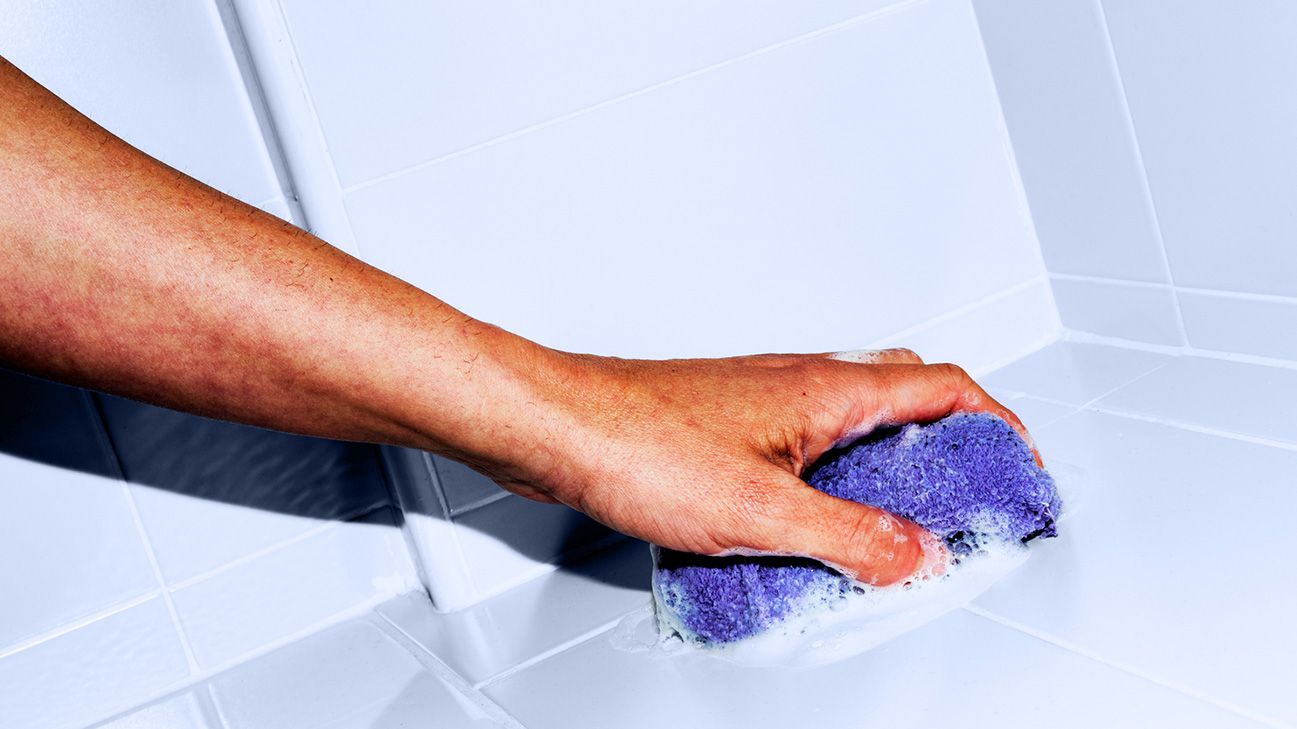
A 1:1 mix of white vinegar and water cuts through soot naturally. For tougher jobs, add a tablespoon of cornstarch to create a mild abrasive paste. You can also add a small amount of ammonia or rubbing alcohol for increased efficacy. Avoid ammonia unless specified, since some formulations can leave streaks or fumes.
Apply and Scrub Correctly
- Spray or apply the solution to the glass.
- Let it sit for 1–2 minutes to loosen deposits.
- Scrub in circular motions with a non-scratch pad or microfiber cloth.
- Rinse with warm water if needed.
- Dry completely.
This method works well after scraping or for light weekly maintenance.
Try Ash and Newspaper Paste

Make a Traditional Cleaning Paste
Use cool, sand-free wood ash from your fireplace. Dip a damp newspaper into the ash to form a gritty paste. The alkaline content helps dissolve soot, while the paper provides gentle scrubbing action.
Scrub Without Scratches
Use circular motions instead of back-and-forth strokes to prevent fine scratches. Focus on stained areas, re-dipping as needed. Once clean, wipe residue with a damp cloth and dry thoroughly.
Pro Tip: Test this method on a small area first. If you burn bark-heavy wood, the ash may be too coarse, so opt for commercial cleaners instead.
Apply Specialized Fireplace Cleaners

Choose the Right Product
When DIY methods fail, use a commercial fireplace glass cleaner. Products like Bar Keepers Friend Soft Cleanser (for light soiling) or the original powder (for heavy buildup) are formulated for high-temperature glass.
Follow Dwell Time Instructions
- Spray or apply cleaner to cool glass.
- Wait 15–20 seconds, which allows active ingredients to break down resins and soot.
- Wipe with a clean cloth. Repeat if necessary.
- Rinse with a damp cloth and dry.
These cleaners restore clarity without scratching when used correctly.
Prevent Future Soot Buildup

Burn Seasoned Wood Only
Wet or green wood has over 30% moisture, leading to incomplete combustion and thick soot. Use seasoned wood with ~15% moisture, which you can verify with a moisture meter. Dry wood burns hotter and cleaner.
Optimize Airflow Settings
Adjust combustion air vents to maintain a bright, lively flame. A lazy, smoky fire means poor oxygen flow, which increases soot. You should see flames dancing rather than just smoldering.
Maintain High Burn Temperatures
Start fires hot and keep them there. Low, slow burns produce more smoke and stickier residue. A hot fire vaporizes particles before they settle on glass.
Position Logs Carefully
Never let logs roll against the glass. Direct contact causes permanent discoloration or milky haze that no cleaner can fix. Arrange wood toward the back of the chamber.
Clean Weekly to Avoid Heavy Buildup
Stick to a Routine
Clean the glass at least once a week during active use. Quick wipe-downs after cooling prevent crusty layers from forming. The easier it is to maintain, the more you’ll enjoy the view.
Post-Use Interior Cleaning
Wipe down the firebox interior after each burn. Ash and creosote accumulation affect airflow and contribute to glass soiling. A quick cleanup supports overall efficiency.
Troubleshoot Stubborn Stains
Handle Permanent Discoloration
If the glass has a cloudy or milky haze, it may be from logs burning directly against it. This damage is often permanent and cannot be cleaned. In such cases, glass replacement may be necessary.
Address Scratches Properly
Scratches from sand or abrasives trap soot and worsen over time. Once scratched, avoid any further abrasive use. Clean gently with vinegar or commercial sprays to minimize visibility.
When to Call a Pro
If multiple cleaning attempts fail, consult a professional fireplace technician. They have industrial tools and cleaning systems not available to consumers.
Maintain Tools and Surroundings
Clean Brass and Steel Tools
Use Bar Keepers Friend MORE Spray + Foam on metal tools. Spray, wait 15–20 seconds, scrub lightly, rinse, and buff with a soft cloth. This keeps tongs, pokers, and shovels looking like new.
Polish Stone Mantles and Hearths
For granite, marble, or polished stone, use BKF Granite & Stone Cleaner. Spray on, wait 15–20 seconds, scrub gently with a non-abrasive pad, wipe with a damp cloth, and dry immediately to prevent water spots.
Frequently Asked Questions About Cleaning Fireplace Glass
Can I use Windex on fireplace glass?
No. Standard household glass cleaners like Windex contain ammonia and other chemicals that can damage the protective coatings on fireplace glass-ceramics. Use fireplace-safe solutions such as a vinegar and water mix or specialized commercial cleaners instead.
How long should I wait after a fire before cleaning the glass?
Wait 6–12 hours after your last fire for the glass to cool completely to room temperature. Cleaning warm glass risks thermal shock, which can cause cracks or shattering. Always perform a tactile check before applying any liquids.
What removes black soot from fireplace glass?
A razor blade held at a 40-degree angle is the most effective tool for thick soot buildup. Follow up with a 1:1 vinegar and water solution, or use a commercial cleaner like Bar Keepers Friend for stubborn residue.
Will vinegar damage fireplace glass?
No. A 1:1 mix of white vinegar and water is safe and effective for cleaning fireplace glass. For tougher jobs, add a tablespoon of cornstarch to create a gentle abrasive paste. Always dry the glass thoroughly after cleaning.
Why does my fireplace glass turn black so quickly?
Blackening is caused by incomplete combustion, usually from wet or unseasoned wood, insufficient airflow, or low burn temperatures. Burning seasoned wood (around 15% moisture) and maintaining proper air vent settings will significantly reduce soot buildup.
Can I clean fireplace glass with baking soda?
Yes. Mix baking powder with a small amount of water to form a thick paste. Apply it to soot deposits, scrub gently, and wipe clean. This serves as a gentle abrasive alternative to ash-based methods.
Final Thoughts on Cleaning Fireplace Glass Safely
Keeping your fireplace glass clean goes beyond aesthetics; it supports performance, safety, and efficiency. A clear view lets you monitor flame behavior, adjust airflow in real time, and catch irregularities early before they become hazards.
The most important steps to remember are simple: always let the glass cool completely, avoid household cleaners that damage coatings, scrape heavy buildup first with a razor blade, then polish with vinegar or a specialized product. Weekly maintenance prevents the crusty layers that make cleaning feel like a chore.
Your next step: Schedule a weekly glass cleaning into your fireplace routine, stock a vinegar spray bottle and microfiber cloth nearby, and check your wood moisture levels before the next burn. With these habits, you’ll enjoy unobstructed warmth and a pristine view all season long.