A scratched mirror can be frustrating, especially when it sits in a high-traffic area like a bathroom or bedroom. Whether the damage came from cleaning with a harsh tool, accidental contact with metal, or simple wear over time, you are likely wondering if a scratched mirror can be fixed. The answer depends on the scratch depth and location. While deep, tactile scratches are nearly impossible to fully remove, light surface marks may be reduced or concealed using simple DIY methods. This guide walks you through proven techniques, from toothpaste to professional polishes, and helps you decide when repair is possible and when replacement is the smarter choice.
Assess Scratch Depth Before Trying Any Fix
Before attempting to fix a scratched mirror, you must determine if the damage is repairable. Not all scratches can be treated the same way, and some methods will only waste your time on damage that requires replacement.
Run the Fingernail Test
Gently drag your fingernail across the scratch to assess its depth. If your fingernail catches on the scratch, it is a deep scratch that penetrates below the surface. If your fingernail glides smoothly without catching, the scratch is superficial and may respond to polishing treatments. This simple test saves you from wasting effort on damage that cannot be fixed with home remedies.
Check for Back Coating Damage
Look closely at the mirror for black spots or streaks. If the mark appears to be behind the glass surface, the silvered reflective layer has been damaged. When the backing is compromised, surface fixes will not work. This type of damage requires re-backing or complete mirror replacement.
Fix Light Scratches with Polishing
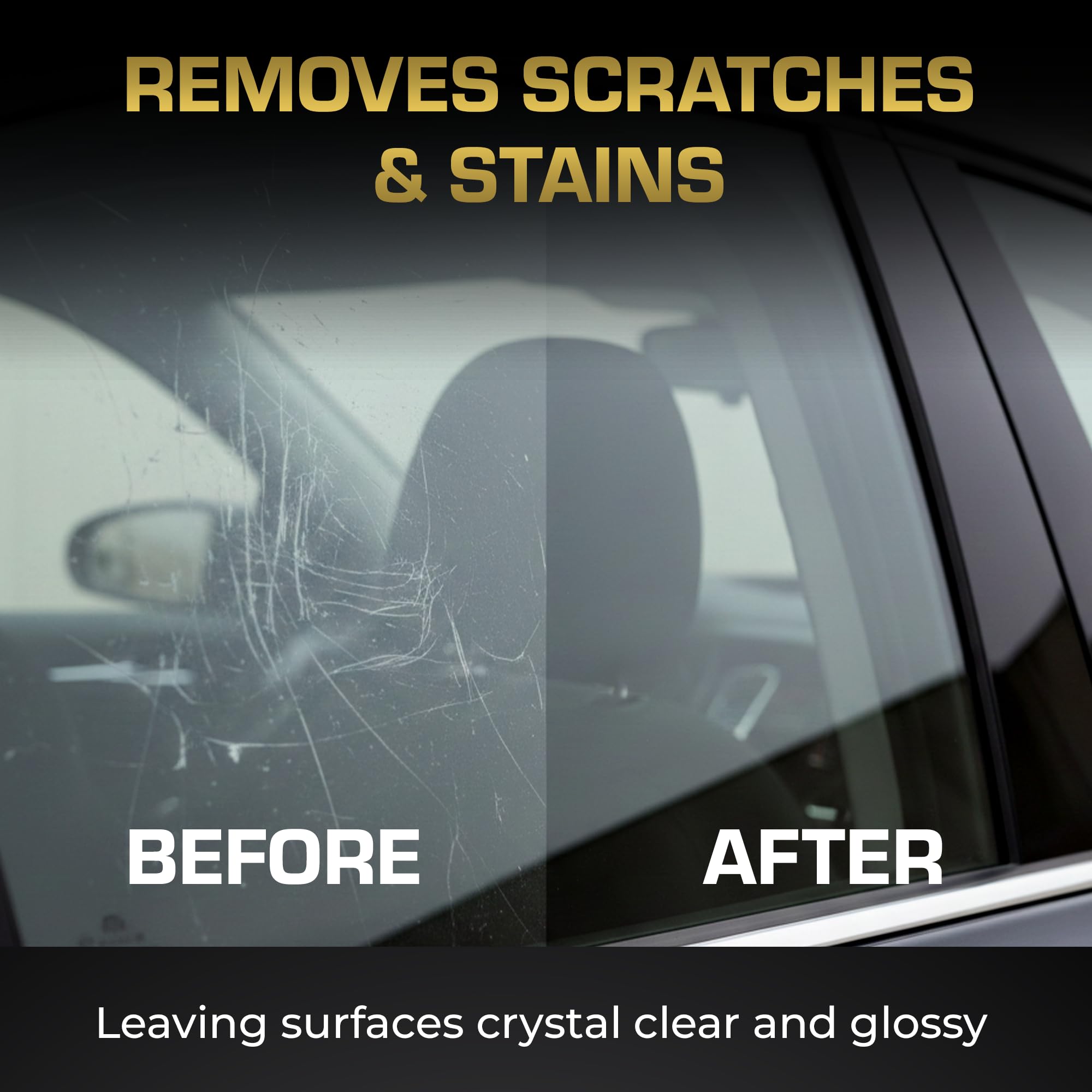
For shallow scratches that do not catch on your fingernail, abrasives can smooth the edges and reduce visibility. These methods work by polishing the surrounding glass to blend with the scratch depth.
Use Non-Gel Toothpaste
Toothpaste contains mild abrasives that can polish micro-scratches on a scratched mirror.
Steps to apply toothpaste:
- Choose white, non-gel toothpaste (regular fluoride paste works best)
- Apply a pea-sized amount to a soft, lint-free cloth
- Rub in small circular motions over the scratch for 30 to 60 seconds
- Wipe clean with a damp cloth, then dry thoroughly
Repeat this process 2 to 3 times if needed. This method works best on very fine surface marks and may not produce noticeable results on deeper damage.
Try Metal or Jewelry Polish
Cerium oxide, also known as jeweler’s rouge, is stronger than toothpaste and commonly used in glass restoration. This polish can yield better results on light to moderate scratches.
Recommended products include:
- CarPro Ceriglass Glass Polish
- 3M Glass Polishing Compound
- Glass Rescue (professional-grade, used by glaziers)
Apply the polish to a microfiber pad and buff the scratch in circular motions for 2 to 5 minutes. Wipe residue with a clean, damp cloth. For even results, use a low-speed rotary tool or drill with a buffing pad, but work slowly to avoid generating heat that could cause uneven wear.
Fill Scratches Cosmetically
If polishing does not fully remove the scratch, filling it with a transparent substance can hide the damage by matching light refraction. This approach does not repair the glass but makes the scratch less visible.
Apply Clear Nail Polish
Clear nail polish works best for narrow, shallow scratches on a scratched mirror.
Steps to apply nail polish:
- Clean the mirror with alcohol
- Apply a thin layer of clear nail polish directly into the scratch
- Let dry completely, about 10 to 15 minutes
- Gently scrape excess polish with a razor blade at a low angle
Note that nail polish may yellow over time. Reapply every few months to maintain the appearance.
Use Super Glue for Deeper Grooves
Cyanoacrylate glue is stronger and clearer than nail polish, making it ideal for deeper but narrow grooves.
Steps to apply super glue:
- Clean and dry the area thoroughly
- Dab a thin layer of super glue into the scratch
- Wait 5 to 10 minutes to cure completely
- Use a razor blade to carefully level the surface
Work in a ventilated area and avoid skin contact with the glue.
DIY Pastes That Work and Those That Do Not
Not all home remedies deliver results. Understanding which methods have limited success helps you avoid wasting time.
Baking Soda Paste Has Limited Success
Mix 2 parts baking soda with 1 part water to form a thick paste. Apply to the scratch with a soft cloth using gentle circular motions, then wipe clean. Baking soda is a mild abrasive, but users report it often fails on anything beyond surface haze. One user tested it on a deep scratch and reported no improvement.
Vinegar Cleans But Does Not Repair
Dilute white vinegar with water in a 1 to 1 ratio. Apply to a cloth and rub gently. Vinegar removes grime and mineral deposits but cannot fix scratches. Use it to clean the mirror after polishing to enhance clarity.
Furniture Paste Wax Provides Temporary Cover
Furniture paste wax can temporarily fill micro-grooves and improve reflection.
Steps to apply wax:
- Apply a thin coat over the scratch
- Let dry completely
- Buff with a clean cloth
The limitation is that wax washes off during cleaning. This method works well for short-term cosmetic concealment but requires reapplication.
Advanced Methods: When to Call a Professional

For deeper damage, consumer tools often fall short. Understanding what professionals use helps you decide whether to proceed or replace.
Glass Buffing with Industrial Equipment
Professional glass repair involves grinding the surface down to the scratch level using progressive abrasives, orbital or rotary polishers, and cerium oxide slurry. This process takes hours and carries significant risks.
Major risks include:
- Optical distortion from uneven material removal, creating wavy reflections
- Thinning the glass, which weakens structural integrity
- Results that may make the mirror unusable
One professional noted that after hours of polishing, they replaced the mirror anyway because wavy reflections are unacceptable.
Scratch Repair Kits Are Not Ideal for Mirrors
Auto windshield repair kits use UV resin for chips in laminated glass. These kits fail on mirrors because mirrors lack the protective layer that holds resin. The resin does not bond well to smooth glass surfaces, and results are often cloudy or uneven.
Replace the Mirror: The Smart Choice
In most cases, replacing the mirror is faster, cheaper, and more effective than repair attempts.
When to Replace a Scratched Mirror
Replace the mirror if the scratch is deep and catches your fingernail, the back coating is damaged with black spots, there are multiple scratches, the mirror is old or wavy, or DIY fixes have failed. A new mirror costs as little as $20 to $50 depending on size, and local glass shops can cut replacement glass to your exact specifications.
How to Replace Mirror Glass
- Remove the frame or backing carefully
- Take out the old glass
- Clean the frame and edges thoroughly
- Order cut-to-size glass from a local shop
- Insert the new glass and reassemble
This DIY approach eliminates the frustration of ineffective repairs and gives you a flawless reflection.
Conceal Scratches Without Replacement
If you cannot replace the mirror immediately, several methods can hide the damage temporarily.
Apply Protective Film
Anti-graffiti or clear window film reduces scratch visibility and adds a protective layer. These self-adhesive polyester films are easy to install and remove, making them a practical option for masking fine lines and scuffs.
Use Mirror Foil
Apply reflective foil to the back of the glass to refresh dull areas. This works well for mirrors with oxidized backing and provides a budget-friendly refresh without full glass replacement.
Try Vaseline for Temporary Fix
For a quick cosmetic fix, apply petroleum jelly over the scratch and cover with clear plastic wrap. Smooth with a finger or card. This washes off easily, making it ideal for temporary use before photos or events.
Prevent Future Scratches
Avoid repeat damage by adopting safe cleaning habits and protective measures.
Clean Safely
Use microfiber cloths and avoid paper towels or rough sponges. Skip ammonia-based cleaners with abrasive particles, and spray cleaner on the cloth rather than directly on the mirror.
Keep Sharp Objects Away
Do not store razors, tools, or metal decor near the mirror surface. Install bumpers on cabinet doors that swing near mirrors to prevent accidental contact.
Install Protective Coating
Consider nano-coating sprays designed for glass. These products repel water and reduce scratch risk, extending the life of your mirror.
Summary: Best Fixes by Scratch Type
| Scratch Type | Recommended Fix | Expected Outcome |
|---|---|---|
| Light, not tactile | Toothpaste or metal polish | Reduced visibility |
| Shallow, narrow | Super glue or nail polish fill | Cosmetic concealment |
| Deep, tactile | Replacement | Permanent solution |
| Back coating damaged | Re-back or replace | Only viable long-term fix |
| Multiple scratches | Replace or film cover | Cost-effective clarity |
Final Tips: What to Do Now
- Test the scratch with the fingernail test first
- Try toothpaste or cerium oxide polish if the scratch is light
- Fill with super glue if polishing fails
- Skip power tools unless you have experience, as they risk causing distortion
- Call a local glass shop for a replacement quote, which is often cheaper than repair
- Use film or wax for temporary cover while you decide
In most cases, a new mirror beats endless polishing. Save time, avoid frustration, and enjoy a flawless reflection again without the wavy, distorted results of over-processed glass.
Frequently Asked Questions About Fixing a Scratched Mirror
Can you fix a scratched mirror at home?
Yes, you can fix light scratches at home using toothpaste, metal polish, or filling agents like super glue. However, deep scratches that catch your fingernail cannot be fully removed with home methods.
Does toothpaste really work on mirror scratches?
Toothpaste can reduce the appearance of very fine, superficial scratches because it contains mild abrasives. It works best on marks that do not catch your fingernail, and results vary.
What is the best product to remove scratches from a mirror?
Cerium oxide-based polishes like CarPro Ceriglass or 3M Glass Polishing Compound are more effective than toothpaste. These products are used by professionals and work better on light to moderate scratches.
Should I replace a scratched mirror instead of repairing it?
In most cases, replacement is the smarter choice. If the scratch is deep, the back coating is damaged, or multiple scratches exist, a new mirror costs less than hours of frustrating repair work.
How much does it cost to replace a mirror?
Local glass shops typically charge $20 to $50 for replacement mirror glass, depending on size. This is often less expensive than purchasing specialized tools and products for repair attempts.
Can I prevent my mirror from getting scratched?
Yes. Use microfiber cloths for cleaning, avoid harsh cleaners, keep sharp objects away from the mirror surface, and consider applying a protective nano-coating to reduce future damage.
Key Takeaways for Fixing a Scratched Mirror
The most important step is assessing scratch depth using the fingernail test before attempting any repair. Light, non-tactical scratches may respond to polishing with toothpaste or cerium oxide, while deeper damage requires filling with super glue or complete replacement. Professional glass polishing carries a high risk of distortion and is rarely worth the time and cost. When in doubt, replacing the mirror is the most practical solution that delivers a flawless result.