
Stepping on broken glass is a sharp, unexpected pain that can stop you in your tracks. Whether it’s a tiny shard from a dropped drinking glass or a sliver from a shattered window, glass embedded in your foot needs quick and careful attention. The good news is that most small, visible pieces can be removed safely at home with the right tools and clean technique. Knowing what to do in the first few minutes makes all the difference in preventing infection and speeding up healing.
This guide covers everything you need to know about how to get glass out of foot safely. You’ll learn the step-by-step removal process, how to soak the area to soften skin, proper tool sterilization, and post-removal wound care. We’ll also explain when home treatment isn’t enough and you should see a doctor, plus how to prevent future injuries.
Wash Hands and Clean the Injured Foot

Before touching the wound, wash your hands thoroughly with soap and warm water. Dirty hands are one of the fastest ways to introduce bacteria into an open wound. Once your hands are clean, gently rinse the injured foot with mild soap and warm water to remove surface dirt. Avoid scrubbing directly over the glass, as this can push it deeper into the skin. Pat the area dry with a clean towel once finished.
Inspect the Wound Under Good Lighting
After cleaning, examine the foot carefully using bright light and a magnifying glass if needed. Only proceed with home removal if the glass is clearly visible and sitting close to the surface. If you can’t see the shard or only feel a hard lump beneath the skin, do not dig for it. Blind probing can push the glass deeper, damage nerves, or cause serious bleeding.
Soak the Foot to Soften the Skin

Soaking is one of the most effective ways to prepare the skin for glass removal. It softens the outer layer of skin, reduces swelling, and may even help shallow splinters work their way to the surface.
Best Soaking Solutions
Fill a basin with warm water and add one of the following:
– 1 to 2 tablespoons of Epsom salts
– Baking soda
– Hydrogen peroxide (diluted)
– Mild antibacterial soap
Soak your foot for about 20 minutes per session. You can repeat this once daily if the glass doesn’t come out right away. Soaking works best for tiny, near-surface fragments and areas where the skin has started to close over the splinter.
When to Skip Soaking
Avoid soaking if the wound is actively bleeding heavily or shows clear signs of infection such as redness, pus, or warmth. In these cases, seek medical care instead of treating at home.
Sterilize Your Tools Before Removal

Using unclean tweezers or needles is a leading cause of wound infection. Before attempting any extraction, take time to properly sterilize your tools.
How to Sterilize Tweezers and Needles
You have two reliable options:
– Alcohol method: Wipe the tools thoroughly with rubbing alcohol and let them air dry completely.
– Heat method: Dip the tools in boiling water for at least one minute, then rinse them with rubbing alcohol.
Use tweezers to grip the glass and a sterilized needle only if you need to gently lift the skin edge for better access. Avoid using rusty, dull, or dirty tools under any circumstances.
Remove the Glass at the Correct Angle
Once the skin is soft and your tools are clean, you’re ready to remove the glass. This step requires patience and a steady hand.
Step-by-Step Extraction
- Gently grasp the exposed end of the glass with your sterilized tweezers.
- Pull the shard out slowly and at the exact same angle it entered the skin.
- Avoid twisting or changing direction, as this can break the glass or tear surrounding tissue.
Stop If You Feel Resistance
If the glass doesn’t slide out easily, do not force it. Forcing a stubborn shard can break it into smaller pieces or push it deeper into your foot. Leave it in place and seek medical help. A partially broken fragment is much harder to locate and remove than an intact one.
Clean and Protect the Wound After Removal

Once the glass is out, your job isn’t finished. Proper wound care prevents infection and supports fast healing.
Apply Antiseptic and Bandage
Follow these steps after successful removal:
– Wash the area again with soap and warm water
– Apply an antibiotic ointment such as Neosporin
– Cover with a clean, sterile bandage
Change the bandage daily or any time it gets wet or dirty.
Watch for Infection Over the Next 3–5 Days
Monitor the wound closely during the healing period. Common signs of infection include:
– Increasing redness or swelling
– Warmth around the wound
– Pus or foul-smelling discharge
– Throbbing pain or fever
If any of these symptoms appear, see a doctor right away.
When to See a Doctor for Glass in Foot
Some glass injuries require professional medical treatment. Knowing the warning signs can prevent serious complications.
Deep, Invisible, or Painful Glass
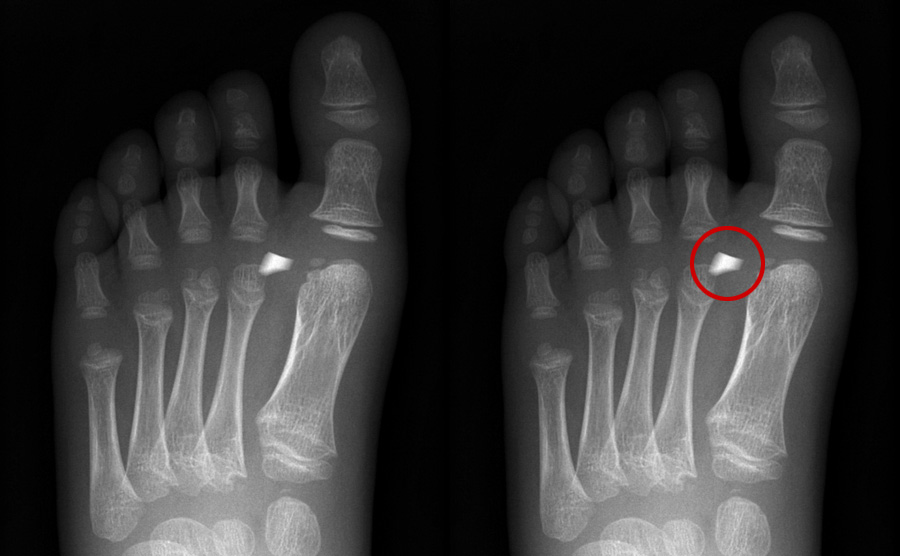
If the glass is not visible, feels deep under the skin, or causes severe pain, do not attempt home removal. Doctors use imaging tools like X-rays and CT scans to locate hidden shards. X-rays work for most glass, while CT scans provide more detail for very small or deeply embedded pieces.
High-Risk Individuals
People with the following conditions should see a doctor immediately for any foot puncture:
– Diabetes
– Peripheral neuropathy
– Poor circulation
– Weakened immune system
Even minor injuries can escalate quickly in these individuals, leading to ulcers, abscesses, or in severe cases, amputation.
Tetanus Prevention
Glass wounds are high-risk for tetanus, a serious bacterial infection. Full protection requires 5 doses of the tetanus vaccine. If your last booster was more than 10 years ago, or if you’re unsure of your vaccination status, ask your doctor about getting a tetanus shot after the injury.
Let the Body Push Out Small Shards Naturally
For very tiny, shallow glass pieces, the body can sometimes expel the fragment on its own. Skin regenerates constantly, and mild inflammation can push small shards toward the surface over a few days. A small pimple-like bump may form before the glass appears.
How to Support Natural Expulsion
To help your body work through the process:
– Soak the foot daily for 20 minutes
– Keep the area clean and dry between soaks
– Avoid tight shoes that press on the wound
Do not pick or squeeze the area, as this can introduce bacteria and cause infection. If the glass hasn’t surfaced within 2–5 days, or if infection signs develop, switch to medical care.
Prevent Future Glass Injuries at Home
Most glass injuries happen barefoot indoors. A few simple habits can protect you and your family.
Indoor Foot Protection and Cleanup
Wear slippers or sandals inside the house, especially in kitchens and dining areas. After any glass breakage, clean thoroughly with a damp paper towel, since glass dust is nearly invisible. A black light can help you spot tiny shards on carpets and floors.
Child and Pet Safety
Keep glass bottles and decorative items out of high-traffic areas. Store them in secure cabinets or closed containers. Always sweep and vacuum after a breakage, even if the area looks clean. Children and pets are especially vulnerable to hidden glass on floors.
Frequently Asked Questions About Getting Glass Out of Foot
Can a small piece of glass work its way out of your foot naturally?
Yes, very small and shallow glass shards can be pushed out by the body’s natural skin regeneration process. This typically takes 2–5 days and may involve a small pimple-like bump forming before the shard surfaces. Daily soaking can help speed up the process.
How do you remove a glass splinter you can’t see?
Do not attempt to dig for invisible glass. Blind probing can push the shard deeper or damage nerves. Instead, see a doctor who can use an X-ray or CT scan to locate the glass and remove it safely with medical tools.
What happens if glass stays in your foot?
Leaving glass in your foot can lead to infection, nerve damage, chronic pain, and migration of the shard deeper into tissue. In severe cases, untreated injuries can cause abscesses, granulomas, or even require surgical removal.
Should I soak my foot in Epsom salt or hydrogen peroxide?
Both work well for soaking. Epsom salt helps reduce inflammation and soften skin, while hydrogen peroxide offers mild antibacterial benefits. Use warm water with 1–2 tablespoons of either agent and soak for about 20 minutes.
When should a diabetic see a doctor for glass in the foot?
Immediately. Diabetics should never attempt home removal or use the wait-and-see method for foot injuries. Reduced sensation and poor circulation increase the risk of undetected infection, ulcers, and serious complications.
How do I know if my foot is infected after removing glass?
Watch for redness, swelling, warmth, pus, foul odor, or fever above 100.4°F (38°C). Increasing pain or red streaks spreading from the wound are also warning signs. If any of these occur, seek medical care promptly.
Key Takeaways for Safe Glass Removal from Your Foot
Knowing how to get glass out of foot quickly and safely can prevent infection and speed up healing. Start by washing your hands and cleaning the wound, then soak the foot for 20 minutes to soften the skin. Sterilize your tweezers with rubbing alcohol or boiling water, and pull the glass out at the exact angle it entered. Clean the wound again, apply antibiotic ointment, and cover it with a bandage.
Most importantly, recognize when home treatment isn’t enough. Deep, invisible, or painful glass requires professional removal, especially for people with diabetes or weakened immune systems. If you’ve stepped on glass and aren’t sure how serious it is, err on the side of caution and consult a healthcare provider.