
Frosted glass brings privacy and elegance to bathrooms, kitchens, and office spaces, but its textured surface behaves very differently from standard glass. Tiny pits and crevices created during acid etching or sandblasting trap dust, grease, and fingerprints deep within the finish. Over time, this buildup can make the glass look patchy or even partially transparent, defeating its purpose entirely.
Knowing how to clean frosted glass the right way protects the delicate etched surface while restoring its soft, translucent appearance. The wrong tools or harsh chemicals can permanently scratch the texture or strip protective coatings. This guide walks you through safe tools, proven cleaning solutions, stain removal techniques, and long-term protection strategies used by professionals.
Gather the Right Tools for Frosted Glass
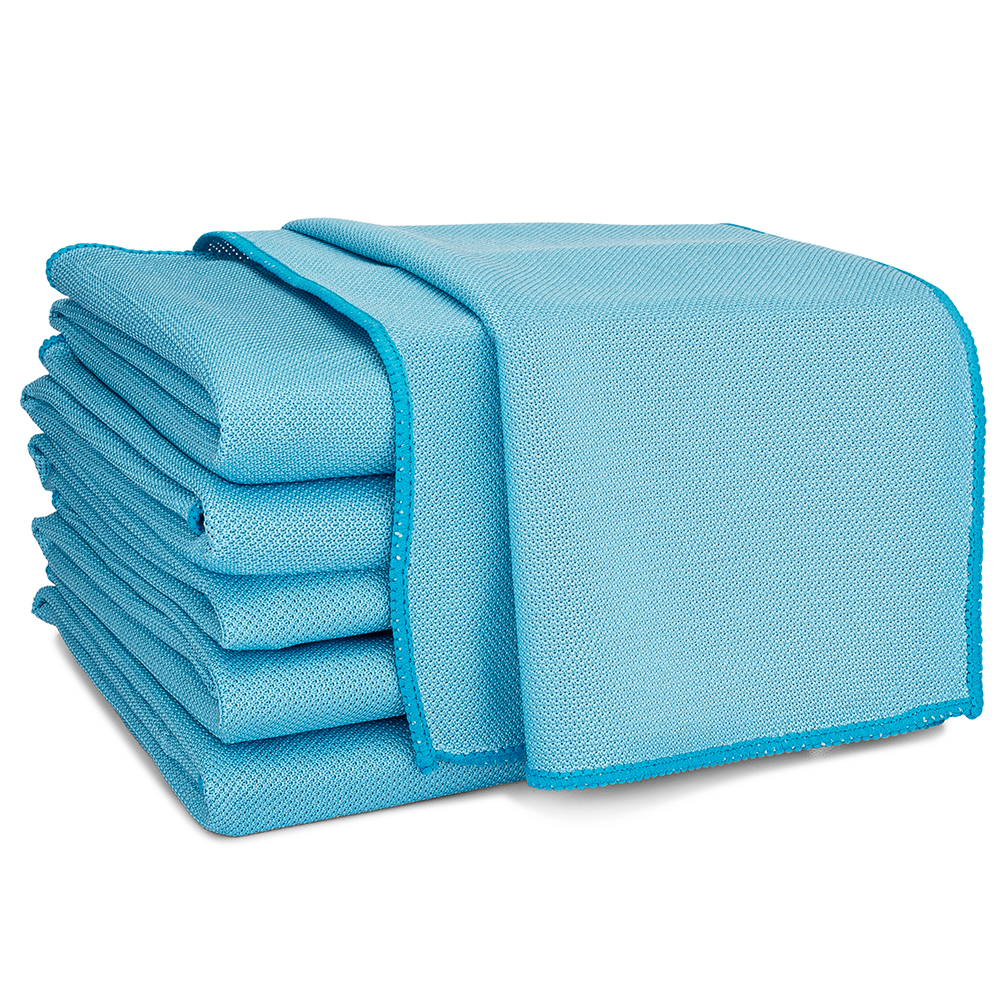
Choose Lint-Free Microfiber Cloths
Microfiber cloths are the single most important tool for cleaning frosted glass. Their ultra-fine fibers lift dirt from the pits without scratching and do not leave lint behind. Always keep at least two clean cloths on hand: one for washing and one for drying. Replace cloths frequently, since trapped grit can cause micro-scratches over time.
Pick Soft Application Tools
A soft sponge or chamois works well for applying cleaning solutions evenly. For large panels like shower doors or pantry doors, a squeegee removes excess liquid quickly and prevents streaks. A handheld vacuum with a soft brush attachment is invaluable for pulling dust from frames, tracks, and the textured surface itself before wet cleaning begins.
Wear Protective Gloves
Rubber gloves protect your hands from cleaning solutions and prevent fresh fingerprints from landing on the glass mid-clean. They also reduce the risk of cuts if a panel shifts or breaks during handling. When washing frosted glassware, line the sink with a soft towel to cushion any accidental drops.
Tools and Products to Avoid Completely
Skip Abrasive Scrubbers
Steel wool, scouring pads, and bristle brushes will permanently scratch the etched surface and ruin the uniform matte appearance. Scouring powders contain gritty particles that erode the texture and leave shiny streaks. Even kitchen sponges with rough green pads are too harsh for frosted glass.
Avoid Paper Towels and Linty Fabrics
Paper towels shed fibers that lodge inside the pits and become highly visible under light. Regular kitchen towels can leave behind tiny fibers that attract more dust. Stick strictly to lint-free microfiber for every wiping and drying step.
Mix Safe Cleaning Solutions at Home

Vinegar and Water Solution
Distilled white vinegar mixed with water is the safest and most effective cleaner for frosted glass. For routine cleaning, combine 1 part vinegar with 10 parts warm water. For tougher grease or hard water stains, use a 1:1 ratio. Vinegar cuts through oil, dissolves mineral deposits, and evaporates cleanly without leaving streaks.
Mild Dish Soap for Light Grime
A few drops of mild liquid dish soap in warm water handles fingerprints and light smudges well. Always rinse thoroughly afterward, because soap residue can leave a cloudy film that dulls the frosted finish. Use this method sparingly and follow with a clean water rinse.
Use Distilled Water for the Final Rinse
Tap water contains minerals that leave streaks and water spots, especially on textured surfaces. Keep a spray bottle of distilled water on hand for rinsing or as a final wipe. This single step eliminates most streaking problems.
Stay Away From Harsh Chemicals
Avoid Ammonia-Based Cleaners
Ammonia-based products like Windex can streak, dull the finish, or damage modern coatings over time. Use only ammonia-free, non-alkaline glass cleaners labeled safe for delicate surfaces. When in doubt, stick with the vinegar solution.
Never Use Bleach or Citrus Cleaners
Bleach is far too harsh and can corrode the glass surface. Citrus-based cleaners may degrade protective coatings and tend to be ineffective on textured finishes. Strong acids and heavy-duty degreasers should be reserved for restoring uncoated antique glass only.
Follow a Routine Cleaning Process
Dry Dust Before Wetting
Always begin by removing loose dust with a dry microfiber cloth or soft brush. Skipping this step turns dust into muddy residue when wet, making cleaning harder and increasing streak risk.
Apply Solution Lightly
Mist the vinegar solution lightly across the glass. Do not oversaturate, since excess liquid can seep into wooden frames and damage paint. Work in small sections for better control.
Wipe in Circular Motions
Use a clean microfiber cloth and wipe in small circular motions to lift grime evenly from the pits. Apply gentle pressure only. Aggressive scrubbing is unnecessary and risks damaging the texture.
Dry Immediately
Use a second dry microfiber cloth to dry the surface right after cleaning. Never let frosted glass air dry, as this is the leading cause of streaks and water spots. Inspect the surface from multiple angles under light to catch any missed areas.
Deep Clean for Heavy Buildup
Vacuum First
For seasonal deep cleaning, start with a handheld vacuum and soft brush nozzle. Hold the nozzle at an angle and move slowly across the glass, frames, and tracks to extract debris lodged deep in the pits.
Treat Grease and Soap Scum
In kitchens and bathrooms, apply a 1:1 vinegar-water mix to greasy or soapy areas. Let it sit for 5 minutes to dissolve buildup, then wipe gently with a soft cloth. For shower doors, a hydrogen peroxide gel applied after bathing helps prevent soap scum from forming.
Rinse and Polish
If using dish soap, rinse thoroughly with distilled water to remove all residue. Finish with a final wipe of ammonia-free glass cleaner or pure vinegar for a clear, streak-free result.
Clean Large Frosted Panels Efficiently
Use a Squeegee for Doors and Dividers
For pantry doors, shower enclosures, and room dividers, a squeegee delivers the fastest, cleanest results. Spray the solution lightly, then pull the squeegee down in straight, overlapping strokes. Wipe the blade with a cloth after every pass to avoid redepositing dirt.
Detail the Edges Immediately
Use a microfiber cloth to dry edges and corners right after squeegeeing. This prevents drips and ensures a polished, professional finish.
Remove Common Stains Safely

Fingerprints and Handprints
Wipe with a damp microfiber cloth using mild soapy water, then dry immediately with a second cloth to prevent water marks.
Grease and Oil Spots
Apply undiluted vinegar to a cloth (never directly on the glass). Let it sit for 2 to 3 minutes, then wipe gently. Rinse with distilled water and dry.
Hard Water Stains
Spray undiluted white vinegar on the affected area and wait 5 minutes. Wipe with a soft cloth and dry completely. Repeat for stubborn spots.
Metal Marks
Use wet-and-dry emery paper that matches the texture of your frosted glass. Wet the paper and rub gently in circles over the mark. Clean the area afterward with vinegar solution.
Sticky Residue
Spray distilled vinegar and let it sit for 5 minutes before wiping. For decal adhesive, dab a tiny bit of rubbing alcohol on a cotton swab and test in a hidden spot first.
Restore Antique Frosted Glass
Confirm the Glass Type
Before using strong solvents, verify the glass is acid-etched or sandblasted rather than coated. Antique glass from the late 1800s typically has permanent frosting integrated into the material, making it safe for stronger cleaners.
Test Solvents First
For stubborn grime on antique glass, test acetone or lacquer thinner on a hidden corner. If no damage occurs, apply to a cloth and gently rub the stained area. These solvents dissolve built-up residue trapped in the pits, restoring uniform opacity. Always clean with standard vinegar solution afterward to remove solvent traces.
Protect Frosted Glass Long-Term
Apply Protective Coatings
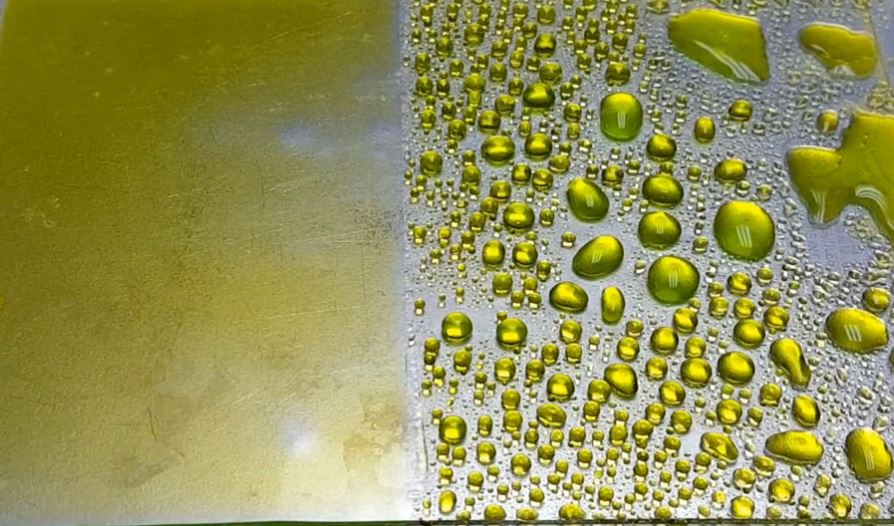
Extend time between cleanings by applying hydrophobic sprays to repel water, glass sealers once or twice a year to block oils, and anti-static coatings to reduce dust buildup. Water-repellent sprays work especially well in kitchens and bathrooms.
Use a Cornstarch Polish
Mix cornstarch and water into a thin paste, apply it to the glass, let it dry, then wipe off. This gentle home remedy polishes the surface and reduces static cling.
Prevent Future Stains
Wipe After Use
In bathrooms, wipe shower doors with a dry microfiber cloth after each use to prevent soap scum and condensation marks. In kitchens, clean pantry doors after cooking to avoid grease accumulation.
Maintain Frames and Tracks
Vacuum tracks and frames regularly, since dirt in these areas transfers back onto the glass. Keep wooden frames dry to prevent warping and paint damage.
Avoid These Common Mistakes
Do Not Use Tap Water
Hard water leaves mineral deposits that appear as streaks. Always clean and rinse with distilled water.
Never Air Dry
Air drying causes uneven evaporation and leaves spots. Always dry immediately with a clean microfiber cloth.
Avoid Direct Sunlight
Cleaning in bright sunlight causes solutions to dry too fast, increasing streak risk. Work in shaded or low-light conditions.
Do Not Oversaturate
Too much liquid damages frames and lengthens drying time. Mist lightly and work in sections.
Frequently Asked Questions About Cleaning Frosted Glass
Can You Use Windex on Frosted Glass?
Ammonia-based cleaners like Windex can streak, dull the finish, or damage protective coatings over time. Use only ammonia-free glass cleaners labeled safe for delicate surfaces, or stick with a vinegar and water solution.
What Is the Best Homemade Cleaner for Frosted Glass?
Distilled white vinegar mixed with water is the safest and most effective option. Use a 1:10 ratio for routine cleaning and a 1:1 ratio for tougher grease or hard water stains.
Why Does Frosted Glass Look Streaky After Cleaning?
Streaks usually come from using tap water, letting the glass air dry, using paper towels, or cleaning in direct sunlight. Switching to distilled water and drying immediately with microfiber eliminates most streaking issues.
How Do You Remove Hard Water Stains From Frosted Glass?
Spray undiluted white vinegar on the stains, wait 5 minutes, then wipe gently with a soft cloth. Dry completely and repeat if needed for stubborn spots.
Can You Use a Squeegee on Frosted Glass?
Yes, a squeegee works well on large frosted panels like shower doors and pantry doors. Pull it down in straight, overlapping strokes and wipe the blade after every pass to avoid redepositing dirt.
How Often Should You Deep Clean Frosted Glass?
Plan a deep cleaning every 3 to 6 months, including vacuuming tracks and treating any buildup. Weekly light cleaning and daily dusting in high-use areas prevent the need for heavy restoration.
Key Takeaways for Keeping Frosted Glass Pristine
Learning how to clean frosted glass comes down to three core principles: use only soft, lint-free tools, stick with gentle solutions like vinegar and distilled water, and always dry the surface immediately after washing. Avoid abrasives, ammonia, and tap water to protect the delicate etched texture from permanent damage.
Start by gathering microfiber cloths, a soft sponge, and a bottle of distilled white vinegar. Try the routine cleaning method on a small section of glass this week to see the difference proper technique makes. With consistent care, your frosted glass will stay streak-free, opaque, and beautiful for years to come.