Cleaning acrylic glass, often called Plexiglas, feels tricky because it behaves nothing like regular window glass. Acrylic is softer and far more vulnerable to scratches, chemical reactions, and permanent clouding. One wrong wipe with a paper towel or a spritz of Windex can leave haze, streaks, or even micro-cracks that never go away. If you have ever ruined a clear panel this way, you are definitely not alone.
This guide shows you exactly how to clean acrylic glass the safe way. You will learn which cleaners and cloths to avoid, the best solutions to use, and how to prevent static buildup that pulls dust back onto the surface. Whether you are caring for a display case, protective barrier, or 3D printer enclosure, these methods will keep your acrylic crystal clear for years.
Identify Your Plastic Type Before You Start

Before touching the surface, confirm you are working with acrylic (PMMA) and not a similar plastic. Each material reacts differently to cleaners, and using the wrong method can cause irreversible damage.
Acrylic vs. PETG vs. Polycarbonate
Acrylic is lightweight, shatter-resistant, and polishable, but it scratches easily. PETG, common in 3D printer enclosures, is even softer and scuffs constantly. It cannot be polished. Polycarbonate, used in visors and aircraft windows, resists impact but breaks down when exposed to certain solvents.
The Dangers of IPA and Harsh Solvents
Never use isopropyl alcohol (IPA) on acrylic. It causes crazing, a web of micro-cracks that permanently ruins clarity. Acetone, gasoline, and ammonia-based cleaners like Windex will cloud or crack the surface within seconds. These damages cannot be undone.
Use Only Safe Cleaning Tools
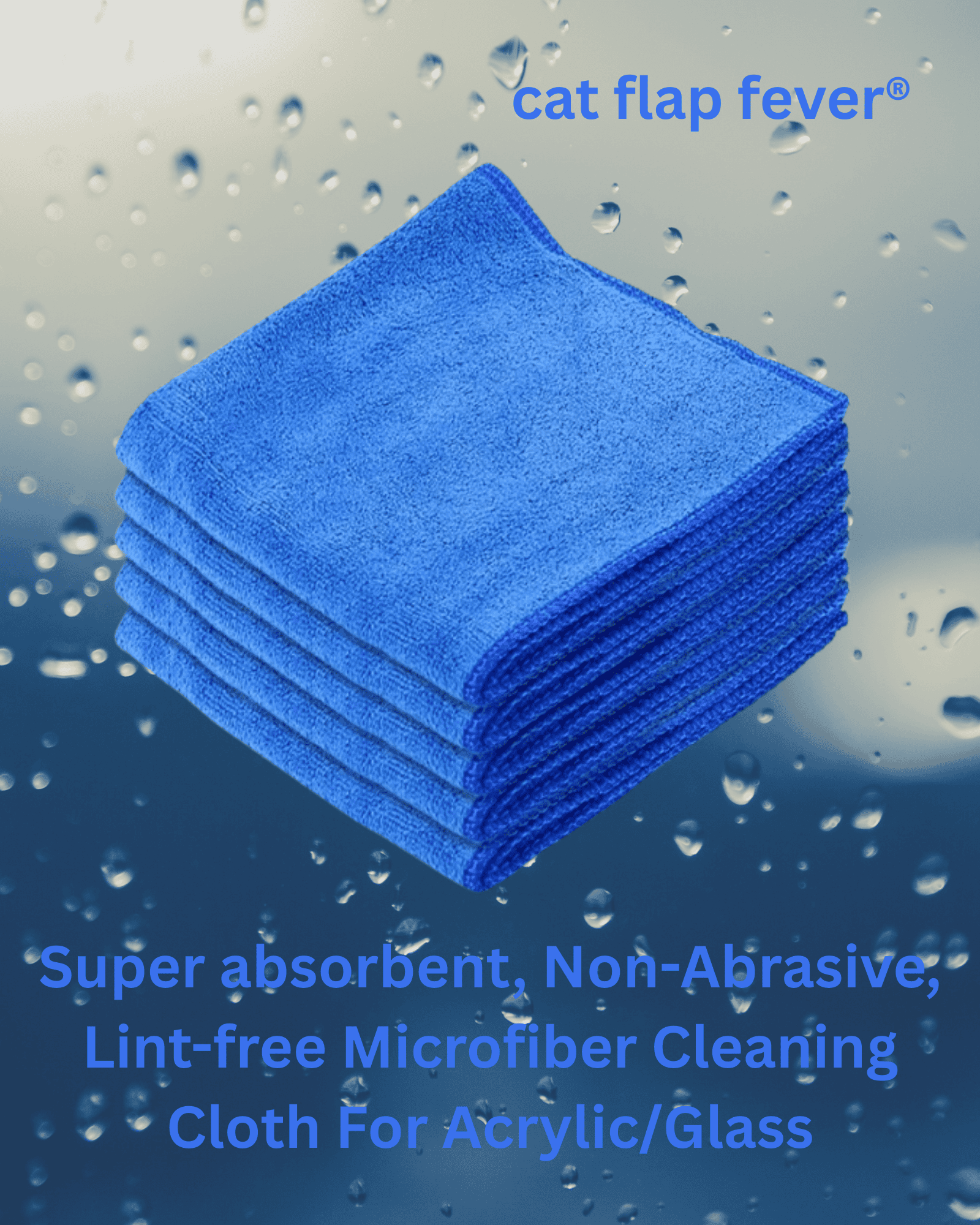
The wrong tool can scratch acrylic in a single pass. Always choose non-abrasive materials designed to lift debris rather than grind it into the surface.
Approved Tools for Acrylic
- Microfiber cloths: Must be soft, lint-free, and stored in sealed bags to prevent grit contamination.
- Compressed air: A handheld blower removes dust without any physical contact.
- Soft sponges: Only non-abrasive types, used with extreme gentleness.
- Spray bottles: For even application of your cleaning solution.
Tools You Must Never Use
- Paper towels, tissues, or napkins: Wood fibers scratch like fine sandpaper.
- Scouring pads or steel wool: Will gouge the surface instantly.
- Dry cloths: Wiping dry drags dust across the acrylic, leaving fine scratches.
- Brushes with trapped grit: Even soft brushes damage acrylic if contaminated.
Choose the Right Cleaning Solution
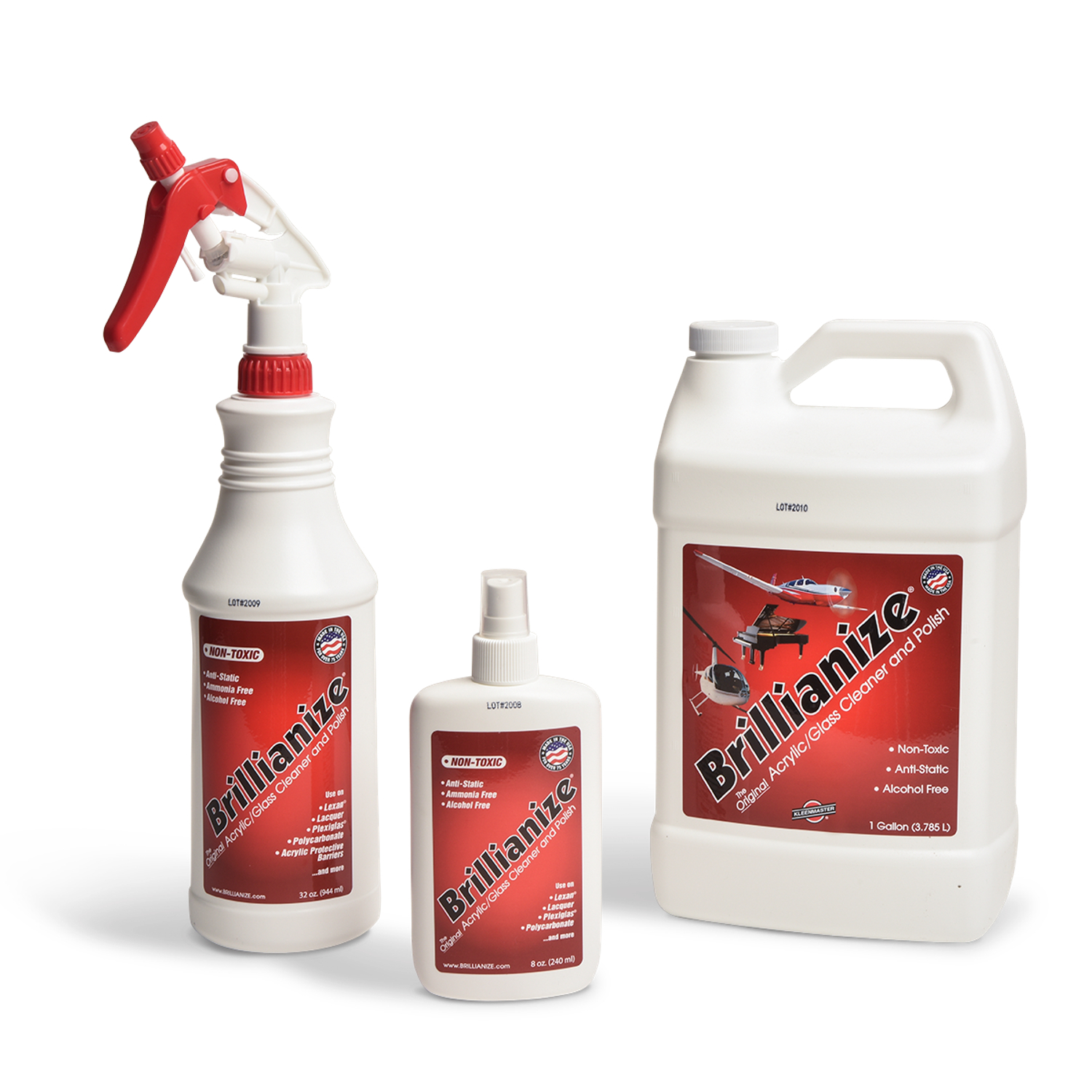
The safest everyday option is mild soap and water. For tougher jobs, specialized plastic cleaners deliver better results with added anti-static protection.
Mild Soap and Water Mix
Mix a few drops of mild dish soap, like Dawn, with distilled or filtered water in a spray bottle. Tap water leaves mineral spots, especially in humid environments where water takes longer to evaporate.
Pro Tip: Distilled water prevents water spots and the residue buildup that attracts dust over time.
Specialized Acrylic Cleaners
For best results and anti-static benefits, use one of these trusted products:
- Brillianize: Safe, streak-free shine with anti-static properties.
- Novus #1: Cleans while helping reduce the appearance of fine scratches.
- Plexus Plastic Cleaner: Popular for motorcycle visors; leaves a smudge-resistant finish.
Vinegar for Tough Residue
For grease or sticky buildup, mix white vinegar and water in a 50/50 ratio. It cuts through grime without harming acrylic. Apply with a damp microfiber cloth, then rinse with clean water.
Industrial Solvents (Use with Caution)
For tar, oil, or heavy grease, use hexane or kerosene sparingly. Apply, then immediately wipe with clean water and dry to avoid spotting. Always test in a hidden area first and work in a ventilated space.
Cleaning Agents to Avoid Completely
Keep these products far away from acrylic:
- Ammonia-based cleaners like Windex: Cause permanent clouding and hazing.
- Alcohol (IPA or ethanol): Leads to crazing and micro-cracks.
- Bleach: Gradually degrades the surface.
- Scented or all-purpose cleaners: Leave residue that attracts dust.
- Household glass sprays: Contain chemicals that fog and damage acrylic.
Step-by-Step Cleaning Process
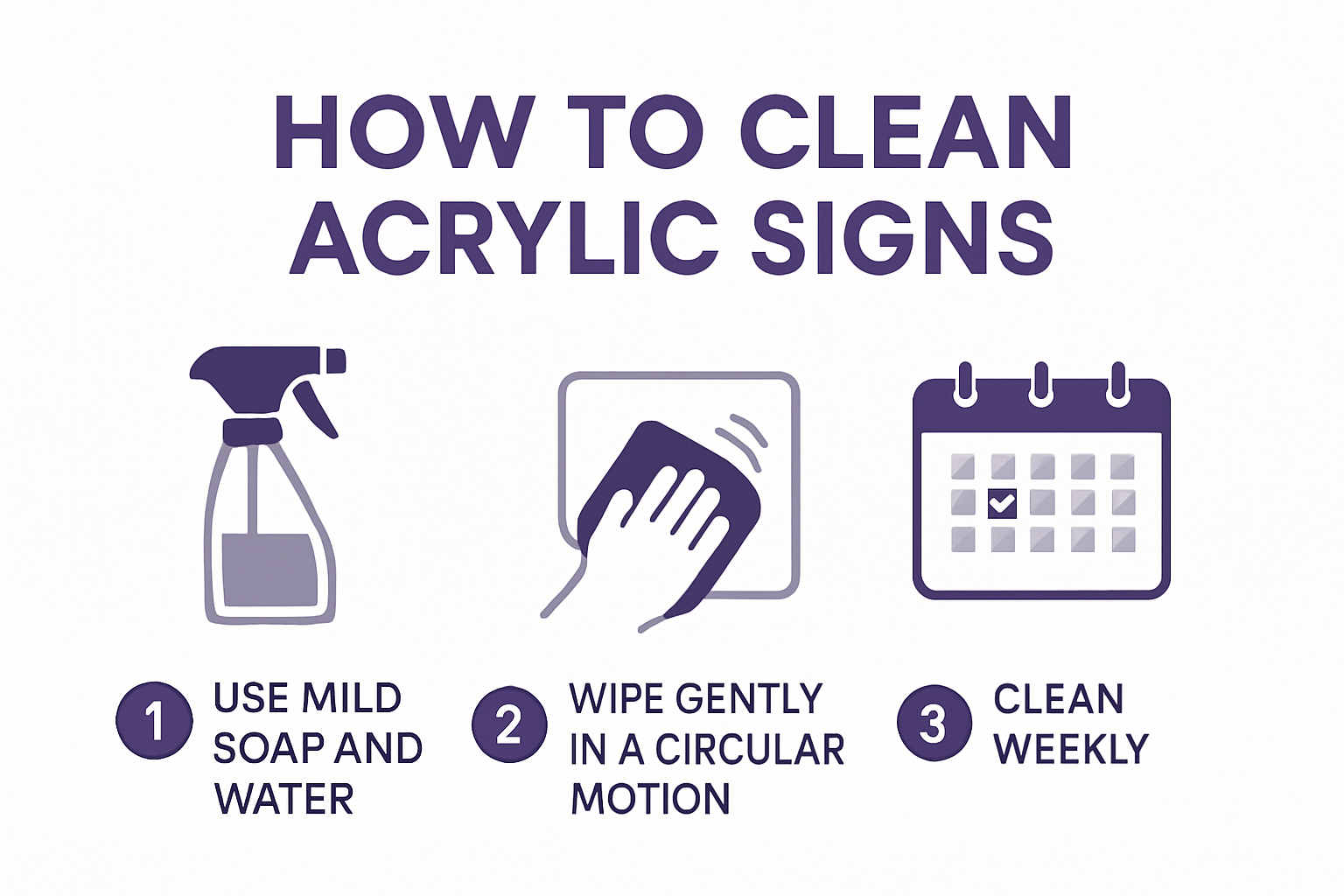
Follow this exact sequence to clean acrylic safely and achieve streak-free clarity.
Prepare the Environment
Clean in a cool, shaded area. Direct sunlight heats the surface, causing cleaners to dry too fast and leave streaks. Make sure the acrylic sits at room temperature to avoid warping.
Remove Dry Dust First
Always start with dry debris removal before introducing any liquid.
- Best method: Use compressed air to blow off dust completely.
- Alternative: Gently wipe with a clean, dry microfiber cloth if only lightly soiled.
- Cool blow dryer: Use on the “cool” setting to lift dust before wiping.
Skipping this step risks grinding particles into the surface during cleaning.
Apply Cleaner to the Cloth, Not the Surface
Never spray directly onto acrylic, especially near edges. Liquid can seep into seams and cause delamination.
Correct method: Spray the solution onto your microfiber cloth until damp, not soaking.
Wipe Gently in Circles
Use light pressure and a circular motion. Acrylic scratches easily, so let the cloth and solution do the work for you.
- Rinse the cloth frequently in clean water.
- Switch to a fresh cloth immediately if it feels gritty.
Rinse After Soapy Cleaners
If you used soap, rinse the cloth with clean water, wring it out, and wipe the surface again. This removes soap residue that attracts dust over time.
Dry Without Creating Static
- Best method: Air dry completely to prevent static buildup from friction.
- If buffing is needed: Use a second clean, dry microfiber cloth and buff gently.
- Warning: Drying with a cloth generates static, which pulls dust back onto the surface instantly.
Prevent Static and Dust Buildup
Acrylic naturally builds up static charge, acting like a magnet for airborne dust particles.
Use Anti-Static Sprays
After cleaning, apply an anti-static spray made specifically for plastics. These neutralize surface charge and dramatically reduce dust attraction.
Popular options include Brillianize, Novus Anti-Static Spray, and Plexus.
Why Air Drying Helps
Letting acrylic air dry minimizes friction, which reduces static. In dry environments, this single change makes a major difference in how quickly dust returns.
Store and Maintain Acrylic Properly
Proper care extends the life of your acrylic and keeps it looking clear.
Ideal Storage Conditions
- Keep temperatures below 100°F (38°C) to prevent warping.
- Avoid prolonged direct sunlight exposure.
- Store in a clean, dry place to prevent grit accumulation.
Cleaning Frequency
- Weekly wipe-downs work well for high-visibility panels.
- In dusty or high-touch areas, clean more often to prevent grime buildup that requires aggressive wiping later.
Fix Minor Scratches and Haze
If your acrylic has light scratches or cloudiness, restoration is often possible.
Can You Polish Acrylic?
Yes, but only cast acrylic. Avoid polishing PETG because it is too soft and will only worsen.
Use Acrylic-Specific Polish
Try one of these effective products:
- Novus #2 or #3
- Meguiar’s Acrylic Polish
- Non-abrasive automobile wax
Polishing Steps
- Apply a small amount to a clean microfiber cloth.
- Rub gently in circles over the scratch.
- Buff to a shine.
- Test first on a hidden area.
For Deep Scratches
Severe damage may require wet sanding with 1200 to 3000 grit sandpaper, followed by polishing. This is an advanced technique, so proceed carefully to avoid warping the surface.
Repair Cracks to Stop Them from Spreading
Small cracks can be stabilized with a simple fix:
- Drill 1/8″ holes at both ends of the crack to prevent further splitting.
- Fill with clear silicone sealant.
- Let cure fully before handling the panel.
This will not make the crack invisible, but it stops the damage from growing.
Upgrade for Better Long-Term Durability
For applications where scratch resistance matters most, consider better materials.
Scratch-Resistant Coated Acrylic
Available from suppliers like Alibaba and Taobao, this acrylic features a hard coating that resists scratches far better than standard sheets. It is ideal for high-traffic enclosures.
Ceramic Coating
Apply a ceramic protectant to acrylic or PETG panels:
- Increases scratch resistance slightly.
- Reduces static and makes cleaning easier.
- Effectiveness varies, so always test first.
Glass: Pros and Cons
- Pros: Extremely scratch-resistant and ultra-clear.
- Cons: Heavy, fragile, hard to cut, and expensive.
- Best for: Static displays where safety and weight are not concerns.
Troubleshoot Common Acrylic Problems
Cloudy or Hazy Surface
Cause: Ammonia, alcohol, or abrasive cleaners.
Fix: Irreversible. Prevent by using only safe cleaners from the start.
Micro-Cracks (Crazing)
Cause: IPA or solvent exposure.
Fix: Permanent. Never use alcohol on acrylic.
Streaks After Cleaning
Cause: Dirty cloths, scented cleaners, or tap water.
Fix: Use distilled water, clean microfiber, and air dry.
Dust Returns Immediately
Cause: Static buildup from dry wiping or friction.
Fix: Use anti-static spray and air dry instead of buffing.
Water Spots
Cause: Hard water minerals drying on the surface.
Fix: Use distilled water, blot dry quickly, and never let water sit.
Fogging or Warping
Cause: Cleaning in direct sun or high heat.
Fix: Always clean in shade at room temperature.
Frequently Asked Questions About Cleaning Acrylic Glass
Can I use Windex on acrylic glass?
No. Windex contains ammonia, which causes permanent clouding and crazing on acrylic. Use mild soap and distilled water or a cleaner specifically designed for plastics like Brillianize or Novus.
What is the best cloth for cleaning acrylic?
A clean, soft, lint-free microfiber cloth is the gold standard. Store unused cloths in sealed bags to keep them free of dust and grit that can scratch the surface.
How do I remove scratches from acrylic?
For light scratches on cast acrylic, use Novus #2 or #3, Meguiar’s Acrylic Polish, or non-abrasive automobile wax. Apply with a microfiber cloth, rub in circles, and buff to a shine. Always test on a hidden area first.
Why does my acrylic attract so much dust?
Acrylic naturally builds up static electricity, which acts like a magnet for airborne particles. Use an anti-static spray after cleaning and air dry instead of buffing to minimize friction and charge buildup.
Is it safe to use vinegar on acrylic?
Yes. A 50/50 mix of white vinegar and water safely removes grease and sticky residue without damaging acrylic. Apply with a damp microfiber cloth and rinse with clean water afterward.
Can I use paper towels on Plexiglas in an emergency?
No. Paper towels contain wood fibers that scratch acrylic like sandpaper. Even in a pinch, use a soft cloth or rinse with water and air dry instead.
Key Takeaways for Safe Acrylic Cleaning
Cleaning acrylic glass correctly comes down to three simple rules: avoid ammonia and alcohol, use only microfiber cloths, and never spray liquid directly onto the surface. Stick to mild dish soap with distilled water or a trusted plastic cleaner like Brillianize, Novus, or Plexus. Remove dust with compressed air before wiping, and always air dry to prevent static buildup.
Your next step is simple. Gather a clean microfiber cloth, distilled water, and a small bottle of acrylic-safe cleaner. Set aside your paper towels and Windex for good. Try this method on one panel today, and you will see the difference in clarity immediately.