Cleaning glass seems simple until you’re left with smudges, lint, or streaks that make the surface look worse than before. Whether it’s your home windows, shower doors, or car windshield, achieving that crystal-clear, professional finish requires more than just spraying and wiping. The key isn’t strength. It’s technique, timing, and the right tools working together.
Most people unknowingly sabotage their efforts by cleaning in direct sunlight, using tap water, or grabbing paper towels. These common mistakes leave behind residue, water spots, and frustrating streaks. With a few expert-backed adjustments, you can clean any glass surface quickly and flawlessly every single time.
This guide reveals the science-backed methods professionals use, from choosing distilled water to mastering the squeegee stroke. You’ll learn how to clean every type of glass safely, avoid costly damage to coatings and frames, and maintain clarity with minimal effort. No more guesswork, just spotless, streak-free results.
Clean Glass on Cloudy Days
Why Sunlight Causes Immediate Streaking
Cleaning glass in direct sunlight is the leading cause of streaks. When the sun heats the surface, your cleaning solution dries too fast, before you can wipe it away. This leaves behind mineral deposits and soap residue in uneven patches that are nearly impossible to fix.
Work on a cloudy or cool day, or choose early morning or late evening when the glass sits in shade. This gives you time to apply, agitate, and remove the solution evenly without premature drying. If you must clean in the sun, focus on one small section at a time and follow immediately with a squeegee or dry cloth. Never let the solution air-dry on the surface.
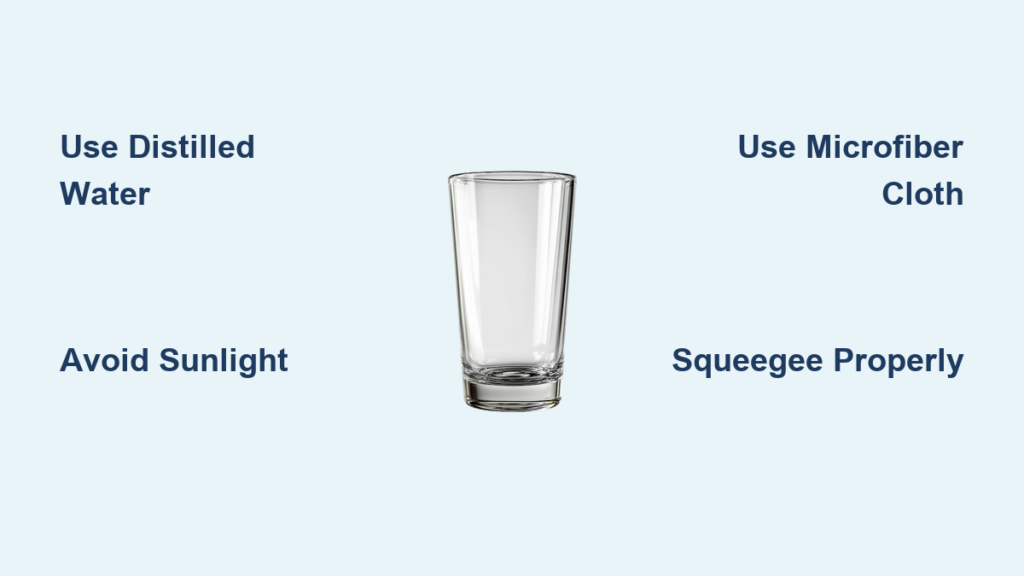
Switch to Distilled Water
Stop Mineral Spots Before They Form
Tap water contains calcium, magnesium, and other minerals that leave behind cloudy spots and a hazy film when it evaporates, especially on shower doors and windows. This residue is known as hard water buildup, and it ruins an otherwise perfect clean.
Always use distilled water in your cleaning solutions. It’s inexpensive, widely available, and ensures your glass dries completely clear. If you live in a hard water area and see white spots after cleaning, switch to distilled water immediately. Combine it with vinegar to dissolve any existing mineral deposits.
Mix the Right Cleaning Solution
Choose the Best Formula for Your Surface
Not all glass is the same, and neither are cleaning solutions. Using the wrong mix can damage coatings or leave a greasy film behind. Here are the top-performing recipes for every situation.
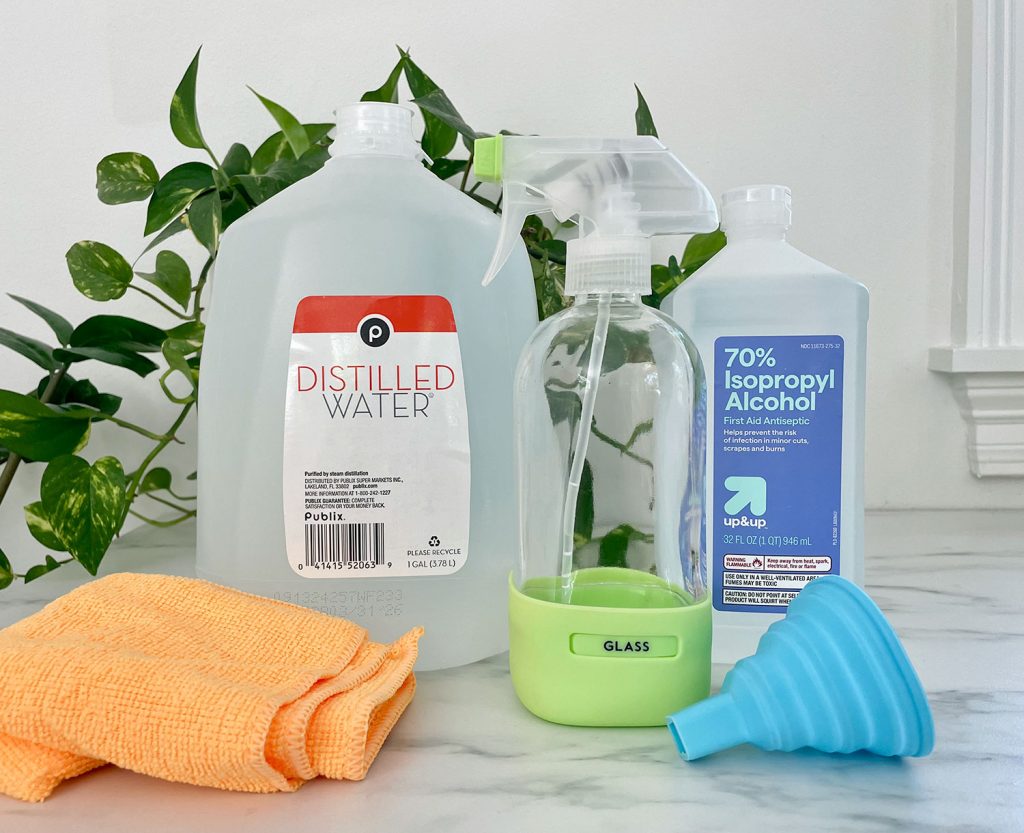
Alcohol-Vinegar Spray for Windows
Combine these ingredients in a spray bottle:
– 1 cup rubbing alcohol (isopropyl)
– 1 cup distilled water
– 1 tablespoon white vinegar
This fast-evaporating formula cuts through grease, disinfects, and leaves zero streaks. Add 10 to 15 drops of lemon or lavender essential oil for a fresh scent. Use this blend on windows, mirrors, chrome, and tiles.
Vinegar-Water Mix for General Use
Mix one part white vinegar with three parts distilled water. This eco-friendly option removes fingerprints and light grime, making it ideal for daily cleaning. For tougher jobs, adjust to a one-to-one ratio.
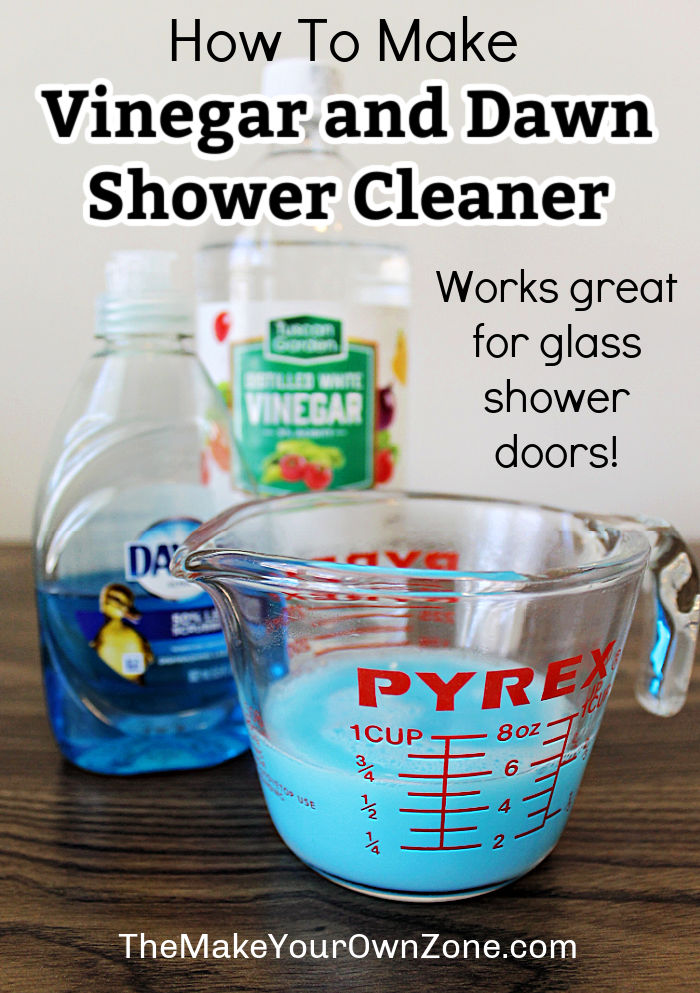
Vinegar and Dish Soap for Shower Glass
Blend two parts white vinegar with one part dish soap. The soap breaks down soap scum and body oils that plain vinegar misses. Spray the solution, let it sit for 30 minutes, then scrub gently with a microfiber cloth. For extra power, add a sprinkle of baking soda to form a safe abrasive paste.
Ammonia Solution for Tough Jobs
Mix half a cup of ammonia into one gallon of water. This formula handles baked-on grime but should never be used on coated or tinted glass. Ammonia can strip protective layers and damage window seals. Always ventilate the area and wear rubber gloves when using this solution.
Pick the Best Cleaning Tools
Ditch Paper Towels and Use These Instead
The tool you use matters more than the cleaner. Many people leave streaks simply because they’re using the wrong cloth or applicator.
Squeegee: The Streak-Free Secret
The squeegee is the most effective tool for flawless glass. Start at the top and pull horizontally in overlapping strokes. Wipe the blade with a lint-free cloth after each pass to avoid reapplying dirt to the surface. Use a squeegee on windows, shower doors, and large glass panels.
Microfiber Cloth: Gentle and Reusable
High-quality microfiber is lint-free, absorbent, and safe for all glass types. Fold it into quarters to use multiple clean sides during cleaning. Wash cloths regularly in warm water without fabric softener, which reduces absorbency over time.
Old Cotton T-Shirts: Free and Effective
A soft, 100% cotton T-shirt works just as well as microfiber. It’s lint-free, gentle, and perfect for polishing mirrors and tables. Avoid synthetic blends because they leave behind fibers that create streaks.
Cotton Swabs for Tight Corners
Residue builds up in edges and frames where cloths can’t reach. Use cotton swabs to clean around window tracks, shower door seals, and mirror edges. Opt for cardboard-stem swabs since they’re compostable and don’t leave plastic waste.
Avoid These Common Tools
- Paper towels: Leave lint behind and can cause tiny scratches over time.
- Newspaper: Smudges hands with ink and can micro-scratch glass when wet.
- Abrasive sponges or steel wool: Will permanently scratch tempered or coated glass.
- Dirty rags: Re-circulate dust and grime back onto the surface.
Follow the Top-to-Bottom Rule
Prevent Drips From Ruining Your Work
Always clean from top to bottom. This stops dirty water from running down onto areas you’ve already cleaned. For multi-story homes, start on the second floor and work your way down. For interior rooms, begin with ceiling fixtures or high windows before moving to lower surfaces.
When cleaning shower doors, start at the top rail and work downward with the squeegee. This simple sequencing saves time and prevents re-cleaning the same areas.
Clean Tempered and Coated Glass Safely
Protect Delicate Surfaces From Permanent Damage
Not all glass can handle aggressive cleaning. Using the wrong method can lead to permanent damage that’s costly to replace.
Tempered Glass (Doors, Tables)
Tempered glass is strong but highly scratch-prone. Never use razor blades, steel scrubbers, or abrasive powders on this surface. Use only a soft microfiber cloth and a gentle vinegar-water solution. Avoid pressing hard, and let the solution do the work.
Coated Glass (Low-E, Tinted, Reflective)
Low-emissivity (Low-E) and tinted windows have thin, invisible coatings that regulate heat and glare. These can be stripped by ammonia, abrasive cleaners, razor blades, or rough cloths. Use only pH-neutral, non-abrasive cleaners and microfiber. Spray the cloth rather than the glass to avoid overspray on frames.
Self-Cleaning Windows
These windows have a special hydrophilic or photocatalytic coating that breaks down dirt with sunlight and rain. While they need less cleaning, never use abrasive tools or strong chemicals on them. Wash gently with distilled water and a soft cloth when needed.
Clean Glass Shower Doors Weekly
Stop Soap Scum Before It Builds Up
Shower glass is a magnet for soap scum, hard water spots, and mold. Clean it once a week to prevent buildup that becomes difficult to remove.
Follow this step-by-step process:
1. Spray with a two-to-one vinegar-dish soap mix.
2. Let sit for 30 minutes to break down grime.
3. Scrub gently with a non-abrasive sponge.
4. Rinse thoroughly with water.
5. Squeegee dry after every shower to prevent new deposits.
For stubborn limescale, soak a cloth in pure vinegar and lay it directly on the spot for 30 minutes before wiping. Install a shower water filter to reduce minerals, and use a daily spray-on rinse aid to keep doors clear between deep cleans.
Maintain Glass Stovetops Monthly
Remove Baked-On Spills Safely
Glass cooktops show every fingerprint and spill. Daily wiping keeps them clean, but monthly deep cleaning removes stubborn residue that daily care misses.
For daily care, wipe with a damp microfiber cloth once the surface cools completely. For fresh spills, place a wet towel over the spot while the stovetop cools. This loosens the mess without scrubbing.
For monthly deep cleaning:
1. Spray with vinegar solution.
2. Apply a paste of baking soda mixed with dish soap.
3. Let sit for 15 minutes.
4. Scrub gently with a non-abrasive sponge.
5. Wipe clean with a damp cloth.
6. Buff dry with microfiber.
Never use metal scrapers or steel wool on glass stovtops. They scratch instantly and permanently.
Protect Frames and Sills
Don’t Damage What Holds the Glass
Cleaning the glass means nothing if you ruin the frame in the process. Different materials need different care approaches.
For wooden frames, never spray water or cleaner directly because it warps wood and peels finish. Place a dry cloth on the sill to catch drips. Wipe frames with a slightly damp cloth, then dry immediately. Use furniture polish sparingly to protect the finish.
For vinyl and plastic frames, wipe with a damp microfiber cloth. Use mild all-purpose cleaner if needed, but spray it on the cloth rather than the frame. Avoid harsh chemicals that can discolor or crack plastic over time.
Detail Corners and Edges
Finish Like a Professional
Even perfect wiping leaves residue in corners. This is where detail tools make the difference between amateur and professional results.
Use cotton swabs dipped in vinegar solution to clean window track corners, shower door seals, mirror edges, and glass table joints. Follow with a dry swab to absorb moisture and prevent mold growth. For tight grooves, a soft-bristle brush like an old toothbrush works well. Just avoid applying too much pressure to prevent scratching.
Fix Common Cleaning Mistakes
Troubleshoot Streaks, Spots, and Residue
Even experienced cleaners make errors. Here’s how to fix the most common issues quickly.
Why Glass Streaks After Cleaning
- Cause: Using paper towels or cleaning in direct sunlight.
- Fix: Switch to microfiber and clean on cloudy days or in shade.
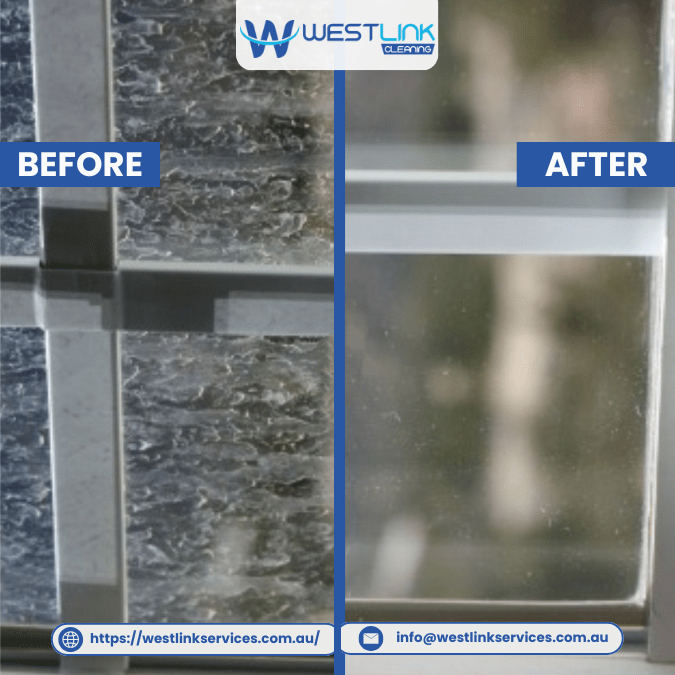
Cloudy Film on Glass
- Cause: Hard water residue or leftover cleaner.
- Fix: Re-clean with distilled water and vinegar mix.
Greasy Residue
- Cause: Not enough degreaser in the solution.
- Fix: Add rubbing alcohol or dish soap to your mix.
Scratches on Glass
- Cause: Using abrasive pads or razor blades on sensitive glass.
- Fix: Unfortunately, scratches cannot be removed. Prevention is key, so use only soft tools on tempered and coated glass.
Maintain a Consistent Cleaning Schedule
:max_bytes(150000):strip_icc()/house-cleaning-schedule-for-every-day-3129149-v3-9d109dd0536a4ec2a7bac5cac688c852.png)
Keep Glass Clear With Less Effort
Regular maintenance prevents deep cleaning disasters. Follow this schedule to stay ahead of buildup:
- Windows: Every 6 months
- Shower doors: Weekly
- Glass stovetops: Daily wipe, monthly deep clean
- Mirrors: As needed (weekly recommended)
- Car windshields: Monthly for both interior and exterior
- Blinds and frames: Dust weekly, clean monthly
Consider hiring a professional twice a year if you have high or hard-to-reach windows. Professionals use water-fed poles and purified water to clean without streaks or ladders.
Frequently Asked Questions About Cleaning Glass
What is the best homemade solution for cleaning glass?
The most effective homemade solution combines one cup rubbing alcohol, one cup distilled water, and one tablespoon white vinegar. This formula evaporates quickly, cuts grease, and leaves no streaks behind.
Can I use vinegar on all types of glass?
Vinegar works well on standard annealed glass and tempered glass. However, avoid vinegar on coated glass like Low-E or tinted windows, as the acidity can damage protective layers over time.
Why does my glass look streaky after I clean it?
Streaks usually result from cleaning in direct sunlight, using paper towels, or hard water residue. Switch to microfiber cloths, clean on cloudy days, and use distilled water to eliminate streaking.
How often should I clean my shower glass doors?
Clean shower doors weekly using a two-to-one vinegar and dish soap solution. Squeegee the doors after every shower to prevent water spots and soap scum buildup between deep cleans.
Is it safe to use a squeegee on all glass surfaces?
Yes, squeegees are safe on all glass types when used with light pressure. Wipe the blade with a lint-free cloth after each pass to avoid reapplying dirt to the surface.
Can newspaper really clean glass without streaks?
Newspaper can polish glass effectively, but it has drawbacks. Ink transfers to hands, and wet newspaper can micro-scratch delicate surfaces. Microfiber cloths are a safer, cleaner alternative.
Final Tips for Spotless, Streak-Free Glass
Skip the paper towels, avoid the sun, use distilled water, and master the squeegee. That is how you clean glass the right way. Wear rubber gloves to protect your hands from chemicals, and add essential oils like lemon or lavender to scent your DIY sprays. Never mix ammonia with vinegar because the combination creates toxic fumes.
Wash microfiber cloths regularly since dirty cloths spread grime instead of removing it. Inspect glass periodically for cracks, seal failure, or coating damage. Catching problems early prevents costly replacements.
With the right method, cleaning glass becomes fast, safe, and satisfying. No more frustration, just clear, sparkling surfaces that enhance your space.