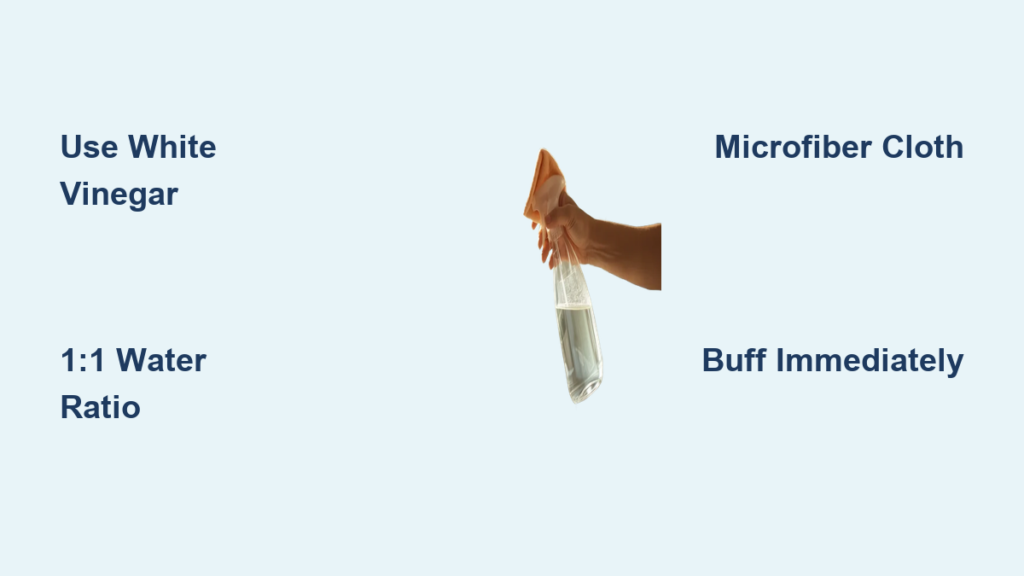
You’ve wiped your windows clean, stepped back, and watched streaks appear like a fingerprint map across the pane. Commercial cleaners leave residue, smell harsh, and cost more than they should. The fix is already in your kitchen cabinet. Learning how to clean glass with vinegar gives you a streak-free finish using a safe, affordable solution that cuts through grime without toxic fumes.
This guide breaks down the exact methods, ratios, tools, and safety tips used by cleaning professionals. You’ll learn how to avoid common mistakes, protect delicate frames and hardware, and achieve crystal-clear results on everything from smudged interior panes to hard-water-stained shower doors.
Choose the Right Vinegar for Glass Cleaning
Not every vinegar delivers the same results. Picking the wrong type can leave residue, haze, or even faint discoloration on your glass.
Stick to White Distilled Vinegar
White distilled vinegar is the gold standard for glass cleaning. Its 5% acetic acid content breaks down grease, fingerprints, and light mineral deposits without staining. It evaporates cleanly, leaving nothing behind but clarity.
Skip Apple Cider and Flavored Vinegars
Apple cider vinegar contains natural pigments and organic compounds that can leave a faint film or cloudy haze. Balsamic and other dark vinegars are completely unsuitable. Always choose clear, odorless white distilled vinegar for the best outcome.
Mix the Perfect Vinegar Cleaning Solution
The right ratio separates a sparkling window from a sticky mess. Too weak, and grime stays put. Too strong, and you risk damaging nearby surfaces.
Standard 1:1 Vinegar-Water Mix
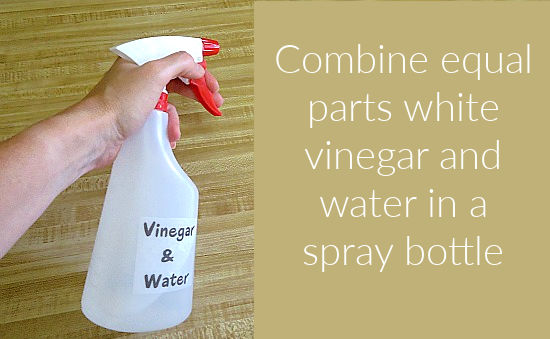
For routine cleaning, combine equal parts white vinegar and water in a spray bottle. This 50/50 blend cuts through dirt and smudges while staying gentle enough for regular use. Shake the bottle before each spray to keep the mixture balanced.
Boost the Formula for Tough Jobs
For greasy kitchen windows or bathroom mirrors coated in soap scum, try these upgrades:
– Add one drop of dish soap to the 1:1 mix. The soap lifts oils while vinegar prevents streaks.
– Replace half the water with rubbing alcohol (½ cup vinegar, ¼ cup water, ¼ cup alcohol) for faster drying and extra shine.
Never Mix Vinegar with Bleach
Combining vinegar and bleach produces toxic chlorine gas. Avoid mixing vinegar with hydrogen peroxide or ammonia-based cleaners as well. Stick to safe additions only.
Gather the Best Tools for Streak-Free Glass
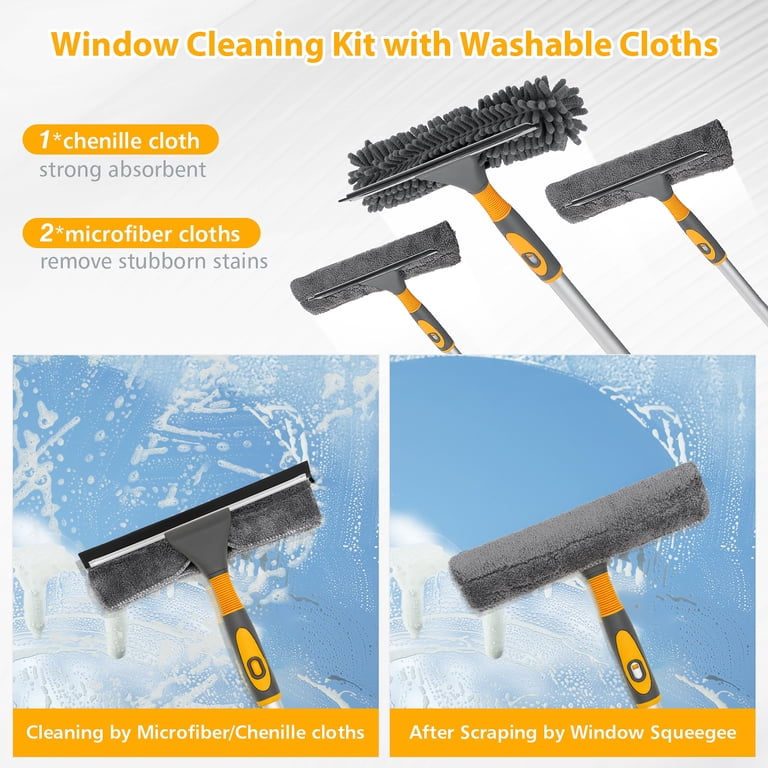
Your tools matter just as much as your solution. The wrong cloth can undo all your hard work.
Microfiber Cloths Are Non-Negotiable
Use clean, lint-free microfiber cloths for wiping and buffing. They trap dust and moisture without scratching the surface. Keep one cloth for applying solution and a second dry cloth for buffing.
Warning: Never reuse cloths that have touched dirty floors or greasy surfaces. They will transfer grime right back onto your clean glass.
Squeegees for Large Surfaces
For big windows, sliding doors, or shower walls, a squeegee saves time and prevents drips:
– Start at the top and pull straight down in overlapping strokes.
– Wipe the blade with a damp cloth after every few passes.
– Finish with a dry microfiber cloth to catch leftover droplets at the bottom.
Avoid Paper Towels and Newspaper
Paper towels leave lint and can cause micro-scratches. Newspaper was once a popular polishing trick, but modern soy-based and water-based inks can stain frames and sills. Damp newsprint also tears easily and sheds fibers.
Follow the Step-by-Step Glass Cleaning Process
This sequence delivers flawless results every single time.
Pick the Right Weather and Lighting
Clean on a cloudy, windless day with mild temperatures. Direct sunlight makes the vinegar solution dry too fast, leaving streaks. Wind blows dust and pollen onto wet glass, creating fresh spots.
Prep the Surface Before Spraying
Dust is your enemy. If you skip this step, wetting the glass turns dust into mud, which smears across the pane.
1. Remove window screens if possible.
2. Vacuum tracks and corners to lift loose debris.
3. Wipe frames, hinges, and glass with a dry microfiber cloth.
Apply and Wipe with the Right Motion
- Spray the vinegar solution generously onto the glass. Avoid soaking nearby frames.
- Wipe immediately using an “S” pattern or zig-zag motion. Keep the cloth in contact with the glass to avoid drip marks.
- For stubborn spots, let the solution sit for 30 seconds before wiping.
Buff Right Away for a Crystal Finish
Buffing is the secret to streak-free glass. As soon as you finish wiping, follow up with a dry microfiber cloth using quick, light motions. Never let the solution air-dry on its own.
Remove Hard Water Stains with Vinegar
Mineral deposits from tap water leave cloudy, chalky spots, especially on shower doors and outdoor windows.
Soak the Stains Thoroughly
- Apply undiluted white vinegar directly to hard water stains.
- Let it sit for 20 to 30 minutes to dissolve calcium and lime buildup.
- Scrub gently with a non-scratch sponge.
- Rinse thoroughly with water and dry completely.
For severe buildup: Press a vinegar-soaked paper towel against the spot, tape it in place, and leave it for 30 to 60 minutes before scrubbing and rinsing.
Tackle Stubborn Grime with Baking Soda
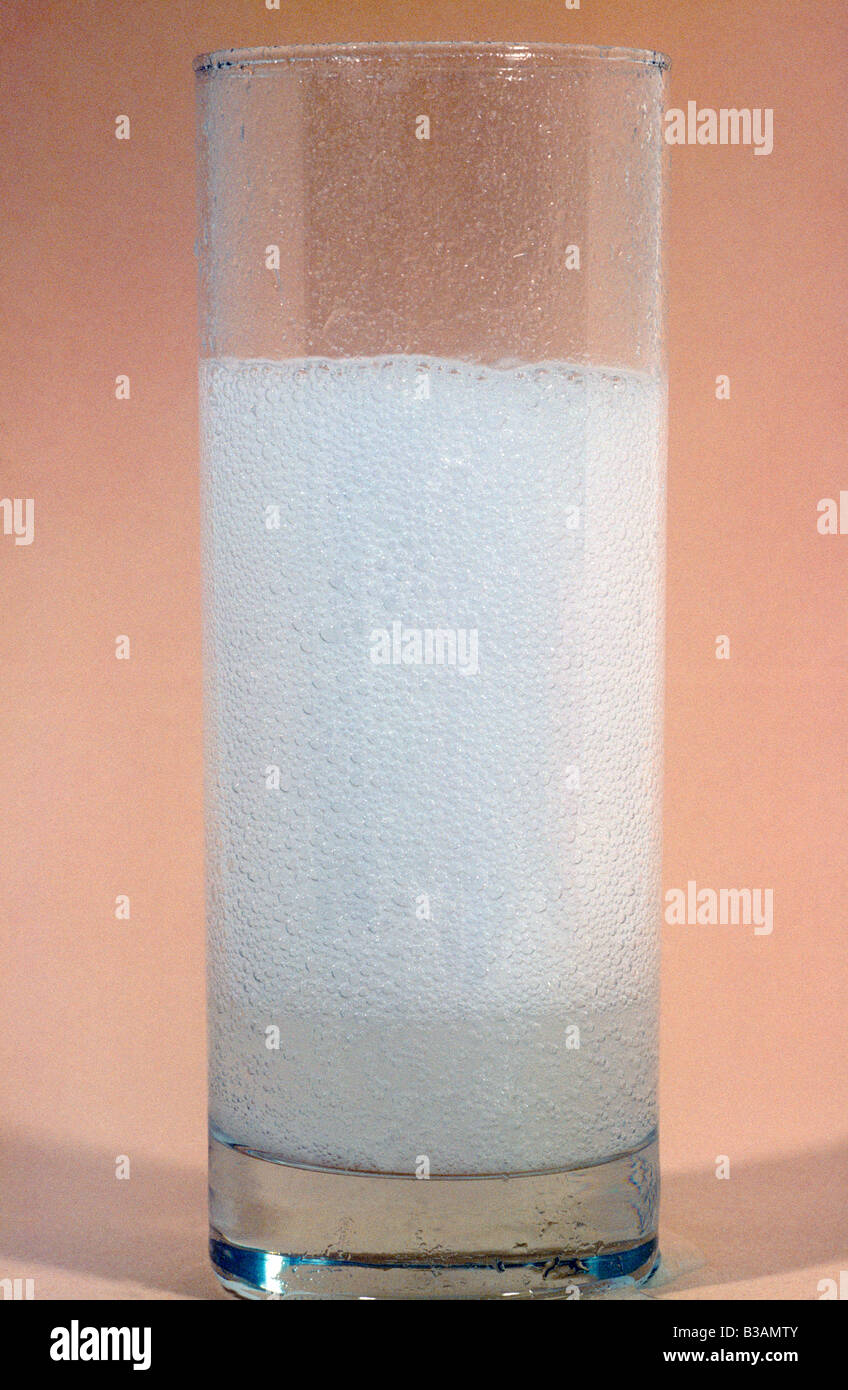
When vinegar alone cannot handle the job, baking soda adds fizzy lifting power for baked-on dirt and old adhesive.
Create a Baking Soda Paste
- Mix 2 tablespoons of baking soda with just enough water to form a thick paste.
- Apply the paste directly to stained or grimy areas.
- Spray white vinegar over the paste. It will bubble and fizz, loosening embedded dirt.
Scrub and Rinse Clean
- Scrub gently with a soft sponge or cloth.
- Rinse the area thoroughly with clean water.
- Wipe dry with a microfiber cloth to prevent streaks.
Note: Always rinse after using baking soda. Leftover residue creates a cloudy film.
Clean Frames and Hardware the Safe Way

Glass is only half the picture. Dirty frames and sticky hinges drag down the whole look.
Clean uPVC Frames Gently
uPVC is durable but can discolor if exposed to strong acid for too long.
1. Mix 1 part vinegar with 4 parts water.
2. Wipe with a soft cloth without soaking the surface.
3. Rinse with clean water to remove all vinegar traces.
4. Dry thoroughly with a soft towel.
Refresh Window Hinges
- Brush out dust and debris with an old toothbrush.
- Spray vinegar solution onto the hinges to dissolve grime.
- Scrub crevices with the toothbrush.
- Wipe dry, then apply a drop of silicone lubricant to keep hinges moving smoothly.
Know Which Surfaces to Avoid with Vinegar
Vinegar is powerful, but it is not safe for every material. Using it on the wrong surface causes permanent damage.
Surfaces That Should Never Touch Vinegar
- Unfinished or stained wood frames: Vinegar dries out wood and dulls finishes. Wipe immediately with a damp cloth if contact happens.
- Natural stone sills (marble, granite, limestone): Acid etches and dulls stone. Rinse right away if accidental contact occurs.
- Bare metal hardware: Prolonged exposure causes corrosion. Wipe dry after cleaning.
- Tinted, coated, or smart glass: Vinegar degrades anti-glare, UV-blocking, and self-cleaning coatings.
- Frosted or textured glass: Repeated use dulls the finish over time.
Always test on a small, hidden area first if you are unsure about a surface.
Prevent Streaks and Lingering Odor
Even with the right tools, streaks and smells can sneak in. These tips keep both under control.
Stop Streaks Before They Form
- Work in shade, never in direct sunlight.
- Use clean cloths only. One dirty microfiber causes streaks.
- Buff immediately after wiping. Do not let the solution dry on its own.
- Check your ratio. Too much water weakens cleaning power.
Minimize the Vinegar Smell
The sharp scent fades fast, but you can speed things up:
– Open windows or run a fan for ventilation.
– Add 5 to 10 drops of essential oil (lemon or lavender work well) to the spray bottle.
– Wait 10 to 15 minutes. The smell disappears completely once the glass dries.
Maintain Clear Glass with Simple Habits
Regular care keeps glass looking great with less effort over time.
Set a Cleaning Schedule
- Interior windows: Clean every 2 weeks.
- Exterior windows: Clean twice a year, in spring and fall.
- Shower doors: Wipe weekly with vinegar solution to prevent buildup.
- Hinges and tracks: Dust monthly and deep clean every 3 to 6 months.
Build Quick Daily Habits
- Squeegee shower doors after each use to reduce water spots.
- Wipe mirror smudges with a dry microfiber cloth.
- Keep a small spray bottle of vinegar solution in the bathroom for fast touch-ups.
Frequently Asked Questions About Cleaning Glass with Vinegar
What is the best vinegar-to-water ratio for cleaning glass?
A 1:1 ratio of white distilled vinegar and water works best for routine glass cleaning. This balanced mix cuts through grime without leaving residue. For uPVC frames, dilute the solution to 1 part vinegar to 4 parts water to prevent surface wear.
Can I use apple cider vinegar instead of white vinegar?
Apple cider vinegar is not recommended for glass. It contains natural pigments and organic compounds that can leave a faint haze or film. White distilled vinegar evaporates cleanly and delivers a clearer finish every time.
How do I remove hard water stains from glass with vinegar?
Apply undiluted white vinegar directly to the stained area and let it sit for 20 to 30 minutes. Scrub gently with a non-scratch sponge, then rinse thoroughly and dry. For heavy buildup, soak a paper towel in vinegar, press it onto the stain, and leave it for up to 60 minutes.
Is it safe to mix vinegar with dish soap?
Yes, adding one drop of dish soap to a 1:1 vinegar-water mix is safe and effective for cutting grease. Never mix vinegar with bleach, hydrogen peroxide, or ammonia-based cleaners, as these combinations create toxic fumes.
Why does my glass look streaky after cleaning with vinegar?
Streaks usually come from cleaning in direct sunlight, using dirty cloths, or letting the solution air-dry. Work in shade, use clean microfiber cloths, and buff the glass immediately after wiping for a flawless finish.
How often should I clean my windows with vinegar?
Clean interior windows every two weeks and exterior windows twice a year. Shower doors benefit from a weekly vinegar wipe-down to prevent soap scum and mineral buildup.
Key Takeaways for Streak-Free Glass Cleaning with Vinegar
White distilled vinegar, mixed at a 1:1 ratio with water, is the safest and most effective way to clean glass without streaks or harsh chemicals. Use clean microfiber cloths or a squeegee, always prep the surface by dusting first, and buff immediately after wiping. Avoid vinegar on wood, natural stone, bare metal, and coated glass to prevent damage.
Ready to see the difference? Grab a spray bottle, mix your solution, and tackle one window today. Once you see the streak-free shine, you will never reach for a commercial cleaner again.