Nothing ruins the look of a sparkling window or mirror like streaks, smudges, or cloudy residue, especially when you’re trying to clean glass without glass cleaner. The good news? You don’t need store-bought sprays to achieve a crystal-clear shine. With common household items like vinegar, dish soap, and rubbing alcohol, combined with the right tools and techniques, you can clean any glass surface effectively and streak-free.
This guide reveals the best DIY solutions, the critical tools to use (and avoid), and professional-grade methods that ensure flawless results every time, no commercial cleaner required.
Choose the Right Cleaning Tools

Use Microfiber Cloths Correctly
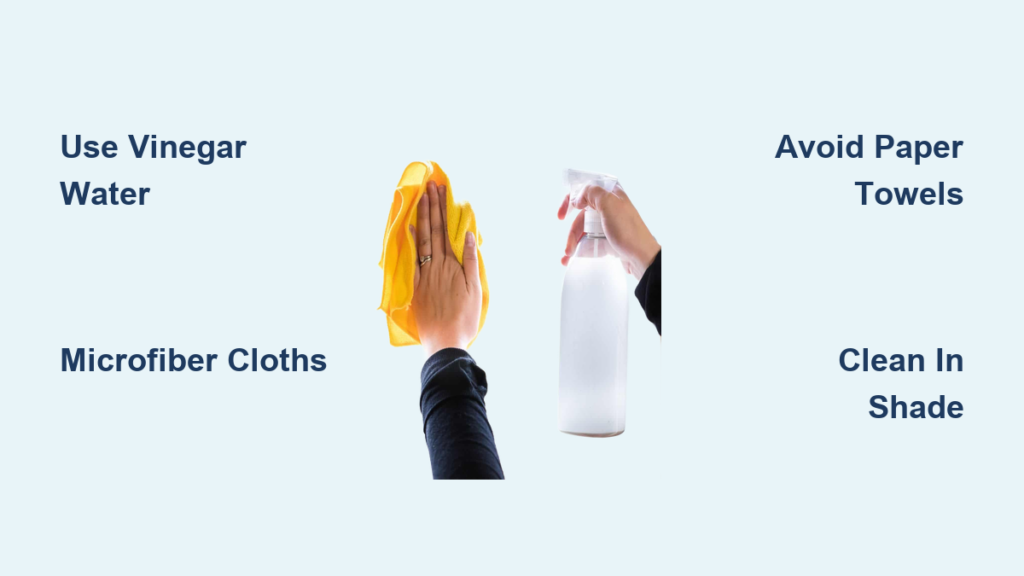
Microfiber cloths are essential for streak-free glass cleaning. Their ultra-fine fibers trap dust, grease, and moisture without leaving lint or scratches. For best results, use the two-cloth method: one slightly damp cloth to apply the cleaning solution and wipe the surface, and a second dry cloth to buff and polish. This prevents over-wetting and removes all residue. Always wash microfiber cloths without fabric softener, as it coats the fibers and reduces absorbency.
Why Newspaper Works for Polishing
Dry newspaper is a powerful, eco-friendly alternative for the final buffing step. The ink acts as a mild abrasive that helps lift grime and leaves a high-gloss finish. Crumple a few sheets and wipe the glass in straight lines after applying your cleaning solution. Wear gloves to avoid ink stains on your hands. While not ideal for initial scrubbing, newspaper excels at delivering a smudge-free shine on mirrors and windows.
Use a Squeegee for Large Surfaces
For big glass areas like shower doors or sliding windows, a squeegee is your best tool. It removes liquid in one motion, minimizing drying time and eliminating streaks. Start at the top and pull the blade down in overlapping strokes. Wipe the rubber edge with a clean cloth after each pass to prevent residue from reapplying to the glass. Pair it with a vinegar-water mix for professional results.
Avoid Paper Towels at All Costs
Paper towels may seem convenient, but they damage glass over time. They’re abrasive enough to cause micro-scratches and generate static electricity that attracts dust immediately after cleaning. Many users report a hazy, rough finish when using paper towels. Switch to microfiber or newspaper to protect your glass and maintain clarity.
Mix Effective DIY Cleaning Solutions
/diy-all-purpose-vinegar-spray-4158625-05-4ab18cf8fbe14709909131756efb4a5f.jpg)
Vinegar and Water (Best All-Purpose Mix)
Combine 2 cups of water with ½ cup of white distilled vinegar in a spray bottle. Add 2–3 drops of lemon or orange essential oil to neutralize the vinegar smell, if desired. Shake well before use. This solution cuts through grease, disinfects, and evaporates cleanly when used correctly. Spray lightly and wipe immediately to prevent streaks caused by fast drying.
Dish Soap and Water (For Greasy Glass)
For kitchen windows or mirrors with oily fingerprints, mix 1 gallon of warm water with 2–3 squirts of liquid dish soap (Dawn works well). Avoid creating suds. Excess soap is a leading cause of film and streaks. Apply with a damp microfiber cloth, then rinse with a cloth dipped in plain water (add 1–2 tablespoons of vinegar per 4 pints of rinse water to prevent mineral deposits). Always follow with a dry microfiber buff.
Rubbing Alcohol Mix (Tough Stains & Disinfecting)
For makeup, toothpaste, or sticky fingerprints, mix ½ cup of rubbing alcohol with ½ cup of water in a labeled spray bottle. Alcohol evaporates quickly, leaving no streaks and killing germs. For spot cleaning, apply undiluted alcohol to a cotton pad and dab the stain before general cleaning. Keep this solution away from heat and out of reach of children. It’s flammable and toxic if ingested.
Methylated Spirits (Fast-Drying Alternative)
Methylated spirits perform like commercial ammonia-based cleaners but without the harsh fumes. Spray directly on the glass and wipe immediately with a microfiber cloth. Ideal for large jobs where quick evaporation is key. Store safely and label clearly due to flammability.
Try Vibhuti (Natural Polish)
In India, vibhuti, a soft powder made from baked cow dung, is used as a traditional glass polish. A single wipe leaves glass surfaces shiny and clean. While not widely available globally, it’s a natural, chemical-free option where accessible. Apply lightly with a soft cloth and buff to a high shine.
Master the Cleaning Technique
Clean Out of Direct Sunlight
Sunlight causes cleaning solutions to dry too fast, locking in streaks before you can wipe them away. Always clean windows and mirrors on cloudy days, early in the morning, or in the evening. If you must clean in the sun, work in small sections and wipe immediately after spraying.
Use Directional Wiping Patterns
To identify which side of the glass has streaks, use the directional stroke method:
- Wipe the outside of windows with vertical strokes.
- Wipe the inside with horizontal strokes.
If a streak appears, the direction tells you which side needs re-cleaning. This simple trick saves time and ensures both sides are spotless.
Apply the Zig-Zag Wiping Method
Instead of circular motions, wipe in a continuous zig-zag pattern from top to bottom. This prevents drips and ensures full coverage without missing spots. Spray the solution first, then wipe in one smooth motion. Immediately follow with a dry cloth to buff and prevent water marks.
Specialized Cleaning Methods

Remove Dust with Dryer Sheets
For light dusting between deep cleans, use a used dryer sheet. Lightly mist the glass with water, then wipe with the sheet. The anti-static chemicals help repel dust, keeping mirrors cleaner longer. However, it won’t remove grease or smudges. Reserve this for maintenance only.
Prevent Mirror Fog with Shaving Cream
Clean bathroom mirrors fog up quickly in steamy showers. To prevent this, apply a thin layer of shaving cream to a clean mirror, then wipe it off completely with a microfiber cloth. The residue creates a fog-resistant barrier. This method also cleans the mirror in a pinch if no other supplies are available.
Clean with Plain Water When Possible
For mirrors with only light dust, plain water and a microfiber cloth are enough. Spray water top to bottom, wipe in a zig-zag motion, and buff dry immediately. This avoids chemical exposure and works well for daily upkeep. Just don’t expect it to cut through oil or grime.
Follow Step-by-Step Cleaning Protocols

Standard Window or Mirror Cleaning
- Work in shade to prevent fast drying.
- Gather supplies: two microfiber cloths and your chosen solution (e.g., vinegar-water).
- Lightly mist the glass. Avoid pooling.
- Wipe top to bottom using zig-zag or directional strokes.
- Buff immediately with a dry microfiber cloth.
- Inspect: if streaks remain, re-buff. If they persist, check the opposite side using directional wiping.
Deep Clean Heavily Soiled Glass
- Spot treat stains with rubbing alcohol on a cotton pad.
- Apply rubbing alcohol mix or dish soap solution.
- Scrub gently with a damp microfiber cloth.
- Rinse with a water-vinegar mix if soap was used.
- Use a squeegee for large surfaces, wiping the blade after each pass.
- Buff with a dry cloth or newspaper for a streak-free finish.
Fog-Proof Bathroom Mirrors
- Apply shaving cream to a clean, dry mirror.
- Spread evenly with a microfiber cloth.
- Wipe off completely until the surface is clear.
- The invisible film will resist fog during showers.
Fix Common Cleaning Problems
Why Streaks Appear (And How to Stop Them)
Cause: Solution dries too fast in sunlight.
Fix: Clean in the shade or on cloudy days. Work in small sections.
Cause: Too much solution or excess dish soap.
Fix: Spray lightly. Use minimal soap and rinse with vinegar water if needed.
Cause: Using paper towels.
Fix: Switch to microfiber or newspaper.
Eliminate Scratches and Rough Texture
If your glass feels rough or shows fine scratches, you’ve likely used paper towels or abrasive scrubbers. Stop using them immediately. Buff the surface with a clean, dry microfiber cloth. For future cleanings, use only soft, non-abrasive tools.
Reduce Vinegar Odor
The smell of vinegar fades quickly once dry, but if it bothers you, add citrus essential oils to your mix. Alternatively, switch to alcohol or dish soap solutions, which have milder scents.
Store Solutions Safely
Label All DIY Mixes
Clearly label every spray bottle, especially those with rubbing alcohol or methylated spirits. This prevents accidental ingestion and ensures safe use around children and pets.
Prevent Contamination
Use clean spray bottles. Wash used ones thoroughly with hot, soapy water before filling. Residue from old products can react with new solutions and reduce effectiveness.
Know Shelf Life
Vinegar and alcohol mixes last indefinitely. Dish soap solutions can grow bacteria over time. Mix small batches and discard if cloudy or smelly.
Maintain Glass Long-Term
Clean Regularly to Prevent Buildup
Frequent cleaning stops hard water stains, soap scum, and grime from hardening. A quick weekly wipe keeps glass looking new and reduces the need for deep scrubbing.
Care for Your Tools
Wash microfiber cloths in warm water without fabric softener. Replace them when they start shedding or no longer absorb well. Keep newspaper dry and use only clean, ink-heavy pages for buffing.
Frequently Asked Questions About Cleaning Glass Without Glass Cleaner
What is the best homemade solution for cleaning glass?
The best homemade solution is a mix of 2 cups water and ½ cup white distilled vinegar. This 1:4 ratio cuts through grease, disinfects, and evaporates cleanly when used correctly. Add 2–3 drops of lemon or orange essential oil to mask the vinegar smell if desired.
Can you clean glass with just water?
Yes, plain water works well for mirrors or glass with only light dust. Spray water top to bottom, wipe in a zig-zag motion with a microfiber cloth, and buff immediately with a dry cloth. However, plain water may not remove oily smears or stubborn fingerprints effectively.
Why do my windows still have streaks after cleaning?
Streaks are typically caused by cleaning solution drying too fast in sunlight, using too much solution or excess dish soap, or using paper towels. To fix this, clean in the shade, spray lightly, use the two-cloth method, and switch to microfiber or newspaper instead of paper towels.
Is vinegar safe for all types of glass?
Vinegar is safe for most glass types. The acidity cuts through grime effectively, and the smell dissipates quickly upon drying. However, always test on a small area first if you’re concerned about specialty coatings.
How do I prevent bathroom mirrors from fogging?
Apply a thin layer of shaving cream to a clean, dry mirror, then wipe it off completely with a microfiber cloth. The invisible residual film creates a fog-resistant barrier that prevents condensation buildup during showers.
What should I avoid when cleaning glass?
Avoid paper towels, as they cause micro-scratches and generate static electricity that attracts dust. Also avoid cleaning in direct sunlight, using excessive dish soap, and over-saturating the glass with cleaning solution. All of these lead to streaks and damage.
Key Takeaways for Streak-Free Glass Cleaning
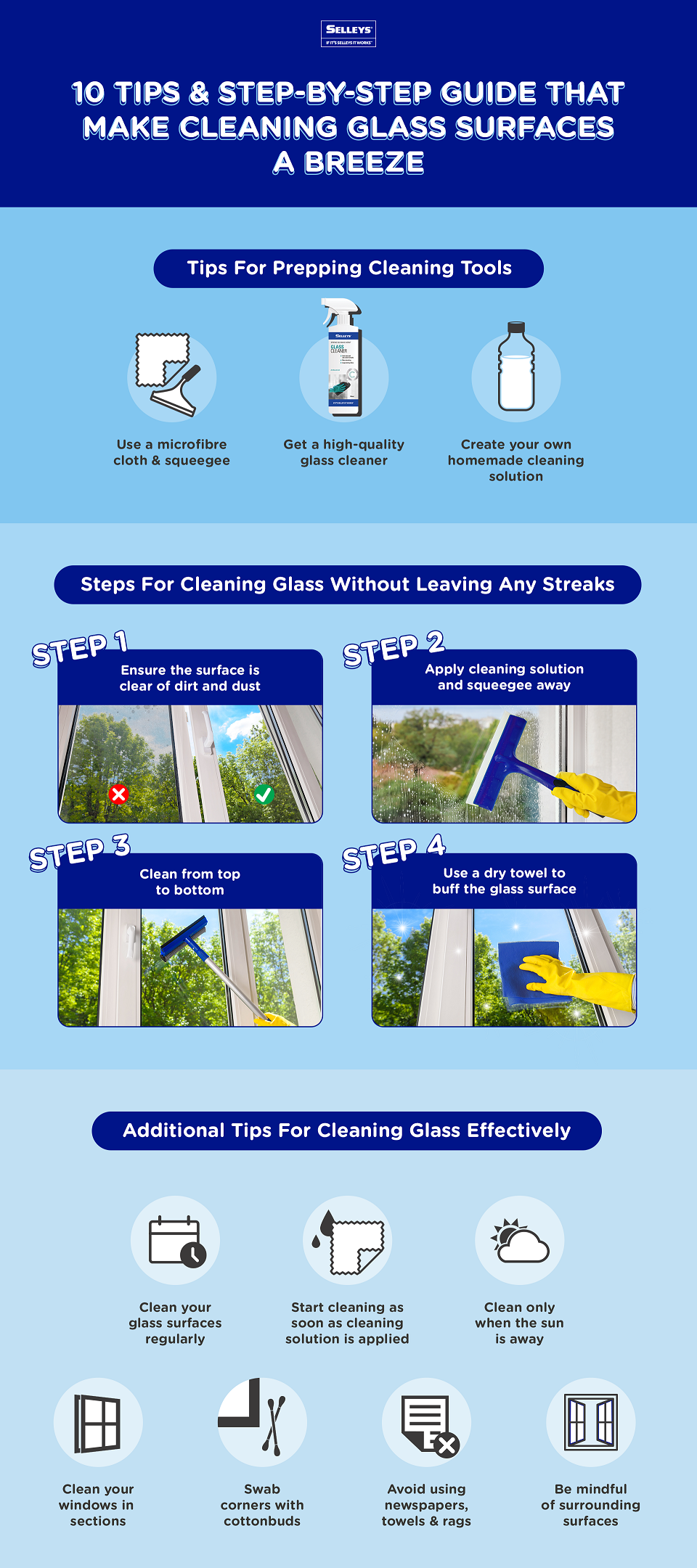
You don’t need glass cleaner to achieve spotless, streak-free results. The key is combining the right solution (vinegar, dish soap, or alcohol) with proper tools (microfiber, squeegee, newspaper) and proven technique (directional wiping, shade cleaning, two-cloth method). Avoid paper towels, work out of direct sun, and fix streaks by adjusting your method rather than adding more product.
Your next step: Pick one method from this guide and try it on a single mirror or window today. Once you see the streak-free results, you’ll never reach for commercial glass cleaner again.